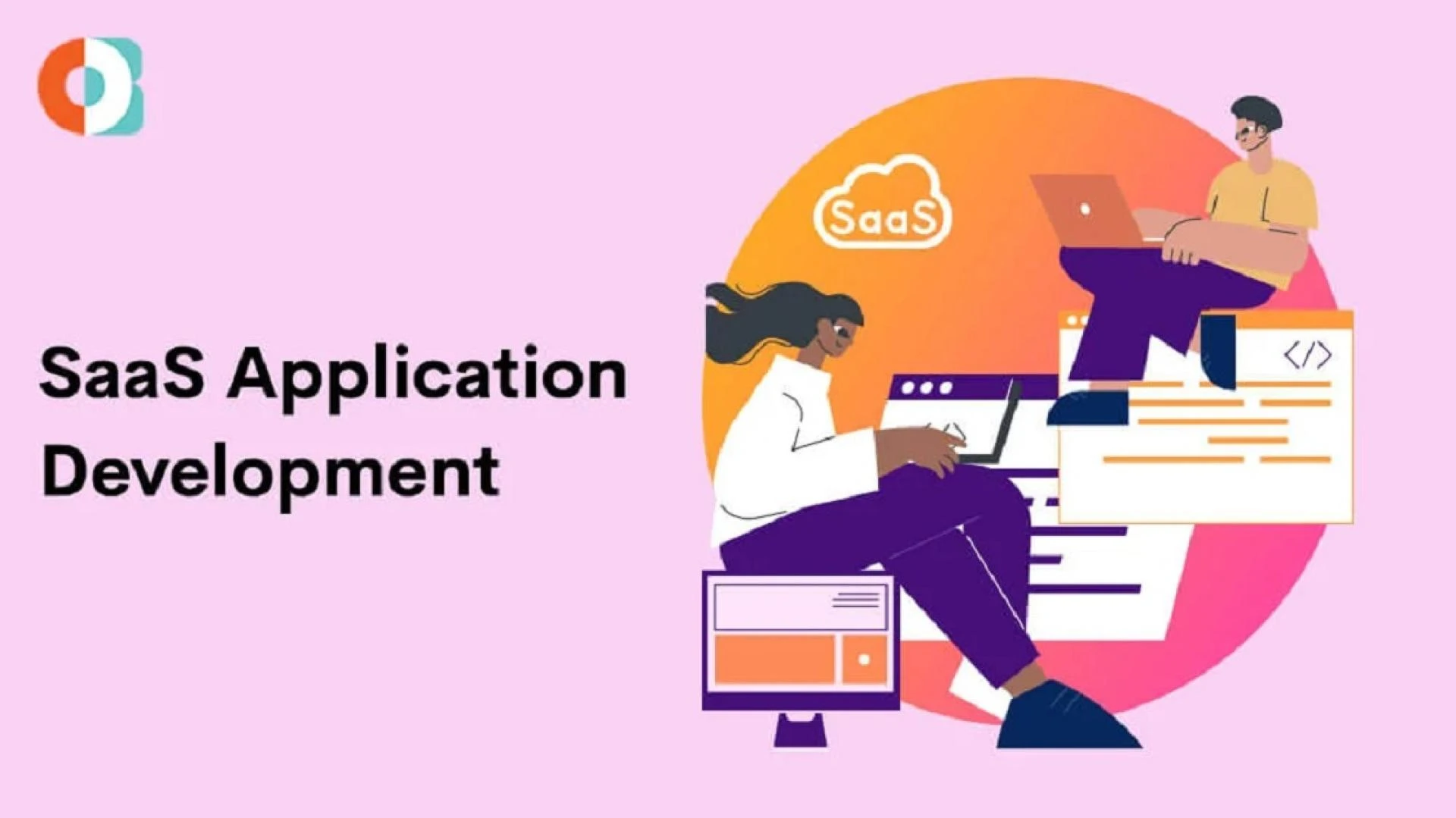

Software-as-a-Service (SaaS) application development has transformed the way businesses access and utilize software solutions. By offering scalability, cost-effectiveness, and convenience, SaaS applications have become a popular choice for organizations across various industries. However, the journey of developing a successful SaaS application is not without its challenges. In this blog, we will delve into the challenges faced in SaaS application development, explore effective solutions to overcome them, and highlight the numerous benefits that come with embracing SaaS applications.
Challenges in SaaS Application Development
Scalability
Building a SaaS application that can seamlessly handle a rapidly growing user base and increasing demands for resources can be a significant challenge. The infrastructure must be designed to scale effortlessly without compromising performance.
Solution
To address scalability challenges, a robust architecture is essential. Leveraging cloud infrastructure, utilizing auto-scaling mechanisms, and implementing containerization technologies can help meet the evolving needs of the application and its users.
Security
Ensuring the security of user data and protecting against potential vulnerabilities is a critical challenge in SaaS application development. With sensitive information being stored and transmitted, robust security measures are necessary to safeguard against unauthorized access and breaches.
Solution
Implementing industry-standard security practices such as encryption, secure authentication mechanisms, and regular security audits is vital. Compliance with regulations and standards specific to the industry can further enhance the application's security posture.
Multi-tenancy
Developing a SaaS application that can serve multiple customers while providing personalized settings and isolated environments for each user can be complex. Maintaining data segregation and ensuring a seamless user experience require careful consideration.
Solution
Utilizing microservices architecture, containerization, and virtualization can facilitate the creation of isolated environments for each customer. This approach allows for customization while maintaining data privacy and security.
Integration
Seamlessly integrating the SaaS application with existing systems, APIs, and third-party services can pose a significant challenge. The application needs to exchange data and communicate effectively with external systems.
Solution
Leveraging APIs, web services, and standard protocols such as REST or SOAP can facilitate smooth integration. Implementing robust middleware and adopting integration frameworks can simplify the process and ensure seamless data flow.
Performance
Delivering a high-performance SaaS application that provides a seamless user experience, even under heavy workloads, is crucial. Slow response times and performance bottlenecks can lead to user dissatisfaction and a loss of productivity.
Solution
Employing performance optimization techniques such as caching, load balancing, and database optimization can significantly enhance the application's speed and responsiveness. Regular performance testing and monitoring can identify and address performance issues promptly.
Continuous Updates
SaaS applications require frequent updates and enhancements to address user feedback, introduce new features, and stay competitive in the market. Ensuring a smooth update process without disruptions is essential.
Solution
Implementing DevOps practices, including automated testing, continuous integration, and deployment pipelines, streamlines the update process. Adopting agile methodologies enables efficient collaboration among development, testing, and operations teams, ensuring smooth updates and minimizing downtime.
Benefits of SaaS Application Development
Cost-effectiveness
SaaS applications eliminate the need for upfront infrastructure investments and reduce IT maintenance costs. Users can subscribe to the application on a pay-as-you-go model, significantly reducing overall expenses.
Accessibility and Convenience
SaaS applications can be accessed from anywhere with an internet connection, enabling users to work remotely and collaborate seamlessly. They are compatible with various devices, including desktops, laptops, tablets, and smartphones.
Scalability
SaaS applications can effortlessly scale to accommodate growing business needs. With cloud-based infrastructure, additional resources can be provisioned as required, allowing the application to handle increased user demand without interruptions or performance degradation.
Faster Time-to-Market
SaaS application development frameworks and pre-built components enable faster development and deployment. Leveraging existing tools and infrastructure accelerates the time it takes to bring the application to market, giving businesses a competitive edge.
Reduced Maintenance
SaaS providers handle application maintenance, updates, and support, relieving businesses from the burden of managing infrastructure and ensuring application availability. This allows organizations to focus on core business operations and strategic initiatives.
Flexibility
SaaS applications offer flexibility and customization options to meet specific user requirements. With configurable settings and features, users can adapt the application to align with their unique needs and workflows.
Data Security and Compliance
Reputable SaaS providers invest heavily in robust security measures and data protection protocols. They adhere to industry standards and regulations, ensuring the confidentiality, integrity, and availability of user data. This alleviates concerns about data breaches and compliance requirements.
Collaboration and Integration
SaaS applications facilitate seamless collaboration and integration with other software systems. They can easily integrate with existing tools, APIs, and third-party services, enabling efficient data exchange and workflow automation.
Conclusion
SaaS application development presents both challenges and solutions that organizations need to navigate to harness the benefits of this technology. By addressing scalability, security, multi-tenancy, integration, performance, and continuous updates through effective strategies and technologies, businesses can develop robust and successful SaaS applications. The advantages of cost-effectiveness, accessibility, scalability, reduced maintenance, flexibility, data security, collaboration, and integration make SaaS applications an attractive option for modern businesses. Embracing SaaS services from a leading SaaS application development company can unlock new opportunities, improve operational efficiency, and drive business growth in today's dynamic digital landscape.


























Sign in to leave a comment.