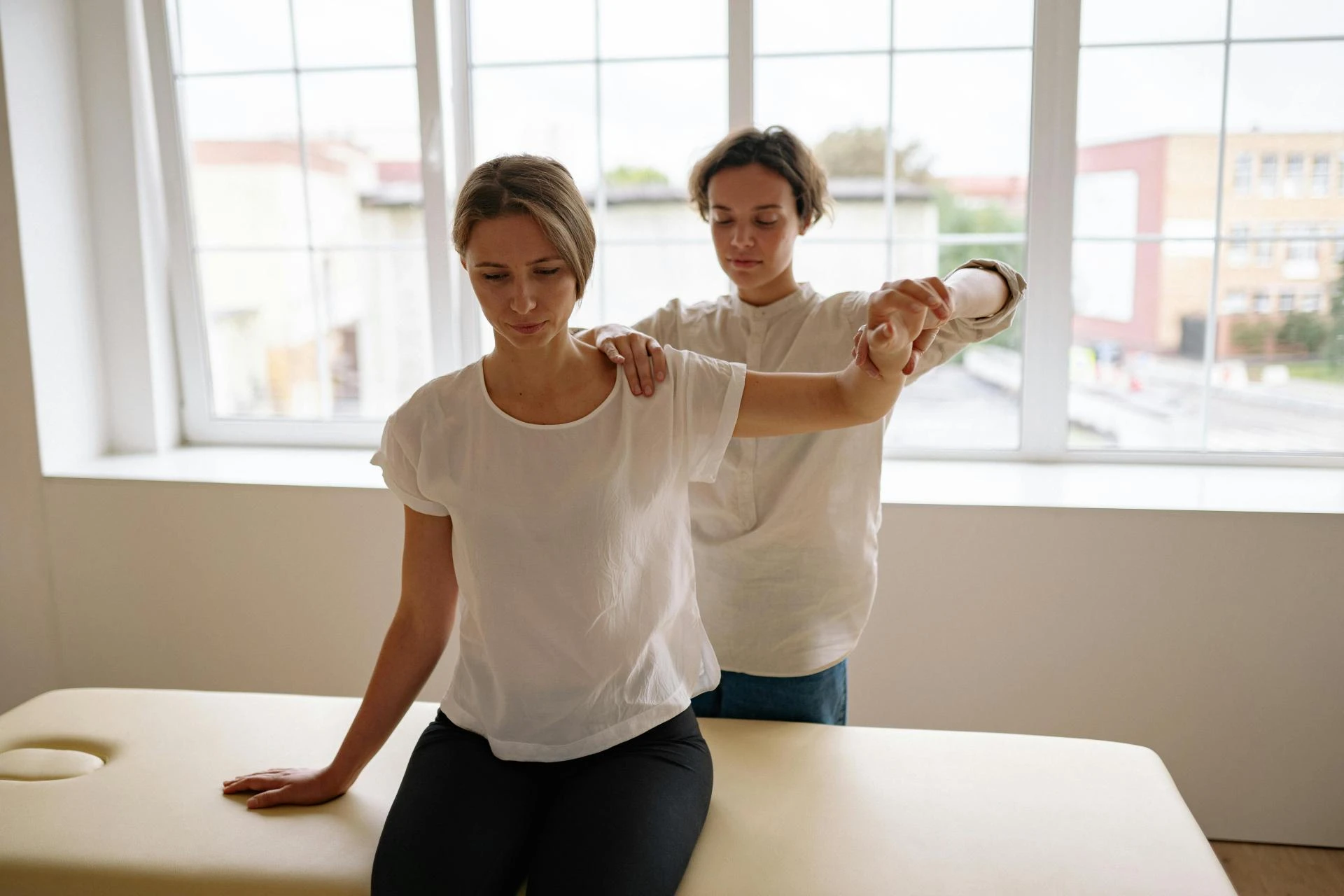

In today’s running world, stress, muscle tension, and joint stiffness are common issues that affect people of all ages. Whether you’re an athlete, a desk worker, or someone recovering from an injury, massage and stretch therapy can be powerful tools to enhance your overall well-being. These therapies help improve mobility, relieve chronic pain, and promote relaxation, all while supporting a healthy lifestyle.
The Concept
This is a combination of hands-on massage techniques and targeted stretching exercises aimed at alleviating muscle tightness, increasing blood flow, and restoring flexibility. Massage therapy focuses on manipulating soft tissues, such as muscles, tendons, and ligaments, to relieve tension, enhance circulation, and speed up recovery. Stretch therapy, on the other hand, emphasizes lengthening and strengthening muscles through assisted and dynamic stretching techniques. Together, massage and stretch therapy create a holistic approach to body wellness, helping individuals recover from physical exertion, prevent injuries, and improve their quality of life.
Why were massage therapies started?
Massage therapies were discovered as a natural way to heal the body, reduce pain, and promote relaxation. The practice dates back thousands of years, with evidence of massage techniques being used in ancient China, Egypt, India, and Greece. These early civilizations recognized the power of touch therapy to improve circulation, relieve muscle tension, and enhance overall well-being. In ancient China, massage was part of traditional Chinese medicine, believed to balance the body's energy (Qi) and maintain health. Similarly, Ayurveda in India incorporated massage as a vital practice for detoxification and healing. The Greeks and Romans, including Hippocrates, the "father of modern medicine," advocated for massage to treat injuries and boost performance in athletes.
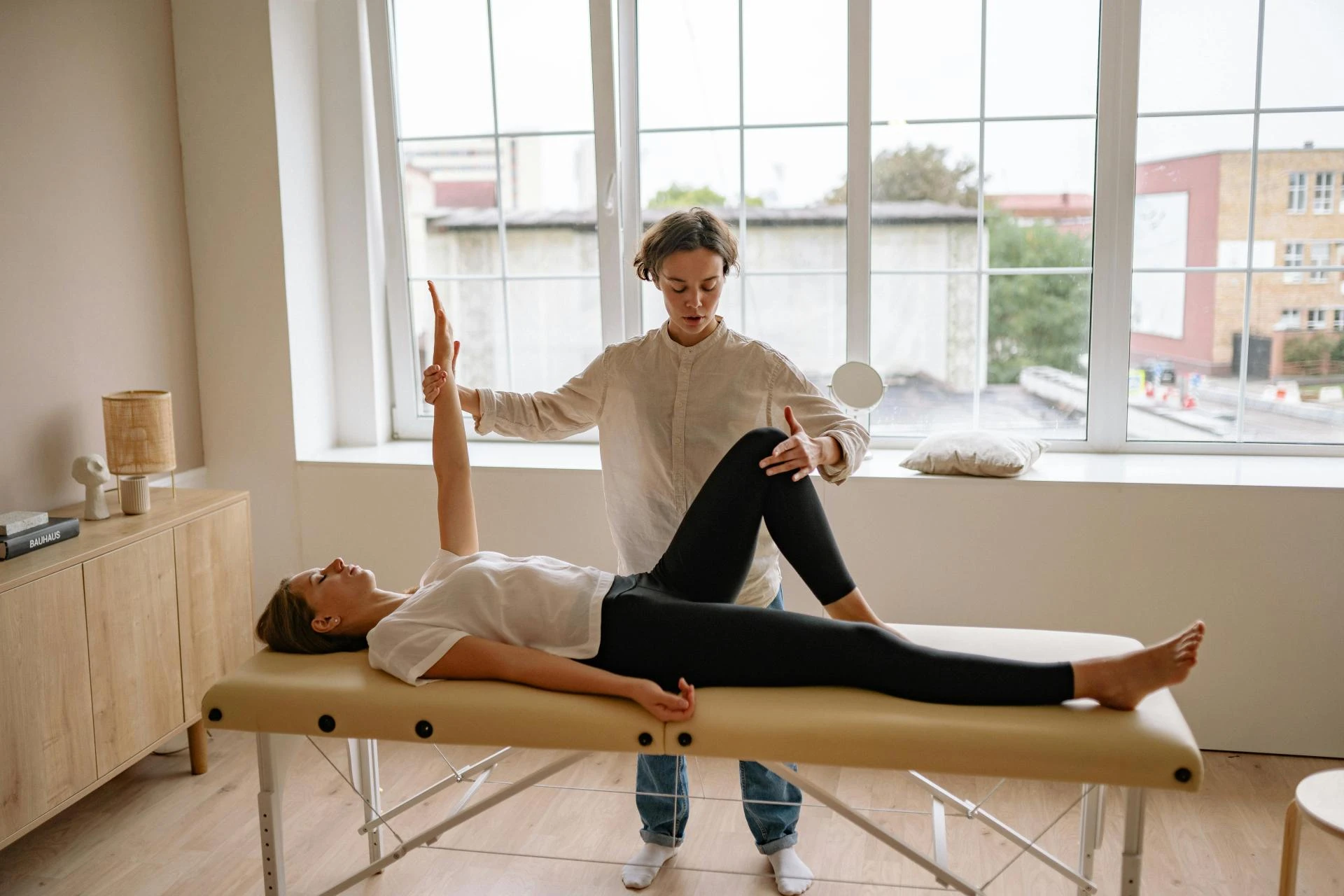
Over time, massage evolved across different cultures, leading to specialized techniques like Swedish massage, deep tissue massage, and myofascial release. Today, it remains a scientifically-backed therapy used in physical rehabilitation, sports recovery, and stress relief. The discovery of massage therapy stemmed from a fundamental human instinct to heal through touch, making it a timeless and essential practice for health and well-being.
Benefits
Massage and stretch therapy provide numerous benefits that extend beyond relaxation. Here are some of the most notable advantages:
Improved Flexibility and Mobility
Stiff muscles and restricted joint movement can limit daily activities. Stretch therapy helps increase range of motion, making movements smoother and reducing the risk of injuries. Paired with massage therapy, muscles become more pliable, allowing for deeper, more effective stretching.
Relief from Muscle Tension and Chronic Pain
Whether it’s back pain from prolonged sitting or muscle tightness from intense workouts, massage and stretch therapy can alleviate tension and discomfort. Techniques such as deep tissue massage, myofascial release, and PNF (Proprioceptive Neuromuscular Facilitation) stretching work to relieve knots, break up adhesions, and improve muscle elasticity.
Faster Recovery and Injury Prevention
For athletes and active individuals, these therapies help reduce muscle soreness and speed up recovery after intense physical activity. It also prevents common injuries by improving circulation, reducing stiffness, and enhancing muscle coordination.
Stress Reduction and Mental Clarity
Tension doesn’t just build up in the body—it also affects the mind. Regular massage therapy promotes the release of endorphins and serotonin, the body’s natural mood enhancers, leading to reduced stress, better sleep, and improved mental focus.
Improved Posture and Alignment
Many people suffer from postural imbalances due to poor ergonomics, prolonged sitting, or muscle tightness. Stretch therapy corrects muscle imbalances, while massage helps realign soft tissues, allowing for better posture and reduced strain on the spine.
Increased Blood Circulation and Detoxification
Massage techniques stimulate blood and lymphatic flow, aiding in the removal of toxins and the delivery of oxygen-rich nutrients to the muscles. This promotes overall healing and boosts immune function.
Types of Massages and Therapies
There are several methods used in massage and stretch therapy, each offering unique benefits. Here are some of the most effective techniques:
Swedish Massage
One of the most popular forms of massage, Swedish massage focuses on gentle strokes, kneading, and circular movements to relax muscles and improve circulation. It’s perfect for those looking for stress relief and overall relaxation.
Deep Tissue Massage
For individuals with chronic pain or muscle tightness, deep tissue massage applies firm pressure to target deeper layers of muscle and fascia, breaking up adhesions and promoting long-term pain relief.
Myofascial Release
This technique involves gentle, sustained pressure on connective tissues to relieve tightness and restore movement. It’s particularly beneficial for people with chronic pain conditions, such as fibromyalgia.
Active Isolated Stretching (AIS)
AIS is a dynamic stretching method that involves holding stretches for short durations while engaging opposing muscle groups. It helps improve flexibility and reduce muscle stiffness.
Proprioceptive Neuromuscular Facilitation (PNF) Stretching
PNF stretching is a technique where muscles are alternatively contracted and relaxed to increase range of motion. It’s commonly used by athletes to enhance flexibility and prevent injuries.
Who Can Benefit?
Massages and stretch therapies are suitable for everyone, but certain individuals can especially benefit from regular treatments:
- Athletes and Fitness Enthusiasts: Improves performance, aids recovery, and reduces injury risk.
- Office Workers: Alleviates neck, back, and shoulder tension caused by prolonged sitting.
- Seniors: Enhances mobility, reduces stiffness, and promotes relaxation.
- Individuals with Chronic Pain Conditions: Helps manage pain related to arthritis, sciatica, or fibromyalgia.
- People with Postural Imbalances: Corrects muscle tightness and improves spinal alignment.
How Often Should You Get Massage and Stretch Therapy?
The frequency of therapy sessions depends on individual needs and lifestyle factors:
- For general wellness: Once a month.
- For athletes or active individuals: Weekly or bi-weekly.
- For chronic pain or injury recovery: Two to three times a week, as recommended by a therapist.
Tips for Maximizing the Benefits
To make the most out of your sessions, follow these simple tips:
- Stay Hydrated: Massage and stretching release toxins, so drinking water helps flush them out.
- Practice Daily Stretching: Complement therapy with simple stretching exercises at home.
- Listen to Your Body: Communicate with your therapist about pain points and comfort levels.
- Pair with Healthy Habits: Combine therapy with proper nutrition and exercise for optimal results.
Final Thoughts
Massage and stretch therapy offer a powerful, natural way to relieve pain, improve flexibility, and enhance overall well-being. Whether you’re dealing with muscle stiffness, recovering from an injury, or simply seeking relaxation, integrating these therapies into your routine can bring long-term health benefits. If you haven’t tried these therapies yet, now is the perfect time to experience their transformative effects on your body and mind. Take the first step towards a pain-free, flexible, and healthier life today.





























Sign in to leave a comment.