
INTRODUCTION
When it comes to choosing the right doors for your building, security, durability, and aesthetics are paramount considerations. One option that has stood the test of time in commercial and industrial settings is the hollow metal door. In this article, we'll delve into the world of hollow metal doors, exploring their construction, advantages, and various applications.
The Anatomy of a Hollow Metal Door
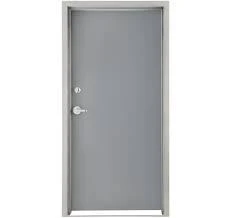
Hollow metal doors, as the name suggests, are primarily composed of metal. They are typically constructed from sheets of steel that are formed and welded to create a robust and durable door leaf. The hollow part of these doors doesn't refer to a lack of strength; instead, it alludes to the presence of an internal space between the two metal sheets that make up the door leaf. This space can be filled with various materials, such as insulating foam, to enhance the door's energy efficiency and soundproofing properties.
The core of a hollow metal door is often made of a honeycomb or polystyrene core, which contributes to the door's overall rigidity without adding unnecessary weight. This core material also prevents the door from buckling or warping, even in harsh environmental conditions.
Advantages of Hollow Metal Doors
Durability: Hollow metal doors are renowned for their durability. They can withstand heavy usage and are highly resistant to damage from impacts, making them ideal for high-traffic areas.Security: The robust steel construction of hollow metal doors provides excellent security. They are difficult to breach, which is crucial in applications where security is a top priority, such as in prisons, banks, and government buildings.Fire Resistance: Many hollow metal doors are designed to be fire-rated, offering protection against the spread of flames and smoke. They can be crucial in ensuring the safety of occupants in commercial buildings.Customizability: Hollow metal doors are highly customizable. They can be fitted with various hardware options, such as locks, handles, and closers, to meet specific needs. Moreover, they can be painted or finished in a variety of ways to match the building's aesthetics.Sound Insulation: Depending on the core material used, hollow metal doors can provide effective sound insulation, reducing noise transfer between rooms or from outside sources.Applications of Hollow Metal Doors
Hollow metal doors find application in a wide range of commercial and industrial settings, including:
Commercial Buildings: They are commonly used in offices, retail stores, and restaurants due to their durability and security features.Educational Institutions: Hollow metal doors are often used in schools and universities, where safety and longevity are paramount.Healthcare Facilities: Hospitals and clinics benefit from the hygiene and fire-resistant properties of hollow metal doors.Industrial Facilities: Manufacturing plants and warehouses utilize hollow metal doors for their strength and security.Government Buildings: Government offices, courthouses, and military installations rely on hollow metal doors to safeguard sensitive areas.Prisons and Detention Centers: High-security facilities require doors that can withstand extreme conditions, making hollow metal door the ideal choice.Conclusion
hollow metal doors are a versatile and dependable option for various commercial and industrial applications. Their combination of strength, security, and customizability makes them a smart choice for those seeking long-lasting and robust door solutions. Whether you need to protect your business premises, ensure safety in a healthcare facility, or secure a government building, hollow metal doors can be tailored to meet your specific requirements, providing peace of mind and protection for years to come.


























Sign in to leave a comment.