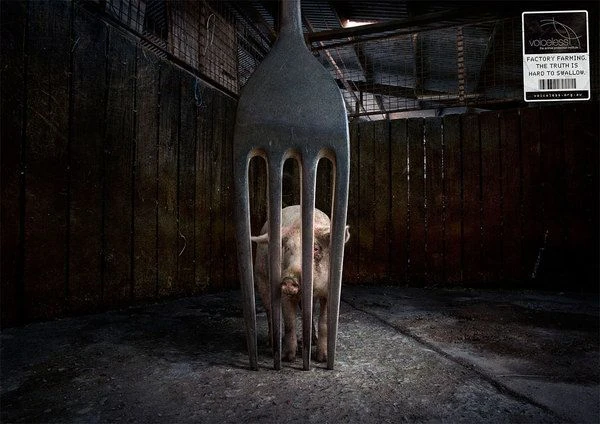

Introduction:
In the modern world, where efficiency and productivity often take precedence, the grim reality of animal cruelty within factory farms remains hidden from the public eye. Behind the glossy packaging of meat products, there lies a disturbing truth about the conditions in which animals are raised and slaughtered. This blog aims to shed light on the often-overlooked issue of Animal cruelty in factory farms, exposing the harsh realities that demand our attention and action.
The Harsh Living Conditions
Factory farms are designed for maximum output, with little consideration for the well-being of the animals they house. Crammed into tight spaces, often deprived of natural light and fresh air, these animals endure lives of misery. Pigs, chickens, and cows are subjected to overcrowded pens, unsanitary conditions, and a lack of proper veterinary care, resulting in immense suffering.
Dehorning, Debeaking, and Other Cruel Practices
To ensure smoother production processes and higher profits, factory farms employ painful procedures such as dehorning, debeaking, and tail docking without anesthesia. These practices, performed solely for the convenience of the industry, lead to lasting physical and psychological trauma for the animals.
The Environmental Impact
The consequences of factory farming extend beyond the mistreatment of animals. The massive scale of industrial agriculture contributes significantly to environmental degradation. From deforestation for feed crops to water pollution from animal waste, the environmental toll is severe. Understanding the interconnectedness of animal cruelty and environmental issues is crucial for promoting sustainable and ethical practices.
Alternatives and Ethical Consumption
Consumers hold immense power in driving change within the industry. By choosing ethically sourced and humanely raised products, individuals can contribute to a shift away from the cruel practices of factory farming. Exploring plant-based alternatives and supporting local farmers who prioritize animal welfare are effective ways to make a positive impact.
Conclusion:
The issue of animal cruelty in factory farms is a complex and deeply rooted problem that requires collective awareness and action. By staying informed, advocating for change, and making conscientious choices as consumers, we can contribute to a future where the well-being of animals is prioritized over profit margins. It's time to unveil the dark reality of factory farming and work towards a more compassionate and sustainable food system.



























Sign in to leave a comment.