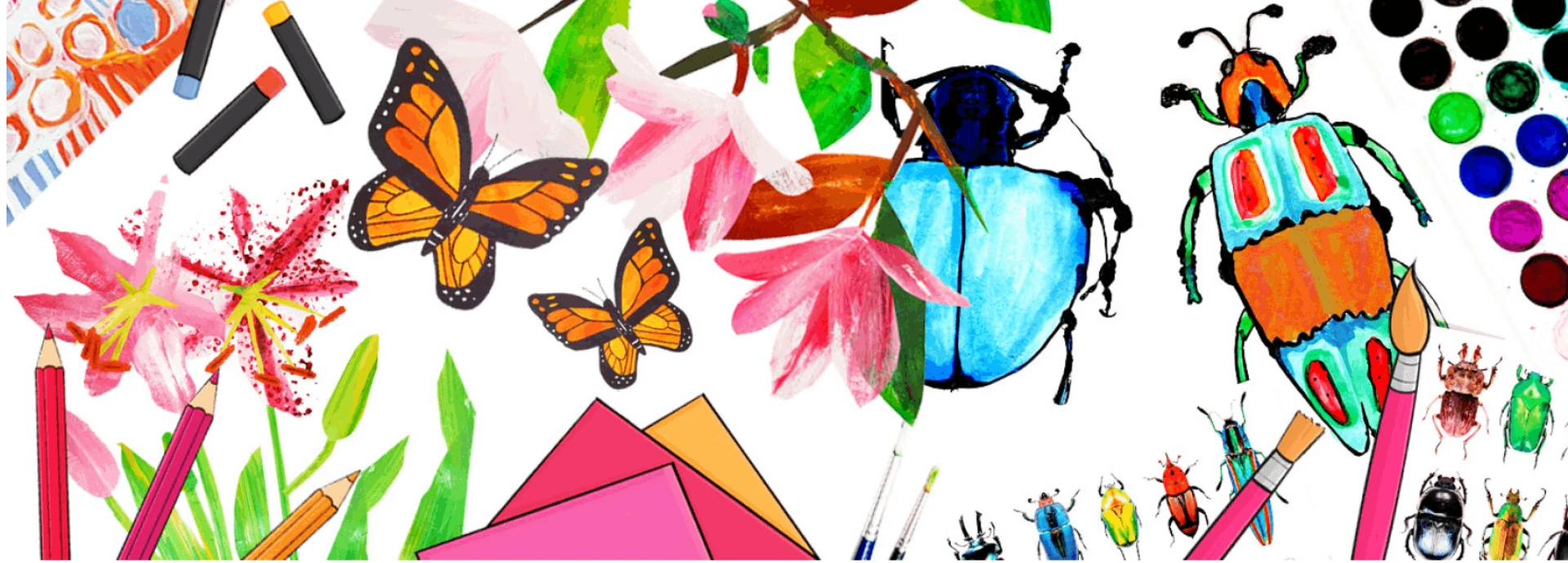

In the bustling landscape of childhood development, art stands as a beacon of creative exploration and self-expression. Engaging in art lessons provides children with a unique platform to unleash their imagination, hone essential skills, and foster a lifelong appreciation for artistic endeavors. Let\'s delve into the myriad advantages that art lessons offer to the young minds eagerly seeking to express themselves through colors, shapes, and forms.
1. Cultivation of Creativity:
At the heart of art lessons for kids lies the cultivation of creativity. Through painting, drawing, sculpting, and other artistic endeavors, children are encouraged to think outside the conventional boundaries. Art lessons provide a canvas for imagination to flourish, enabling kids to explore new ideas, perspectives, and possibilities. This cultivation of creativity extends beyond the art studio, impacting various aspects of their lives.
2. Development of Fine Motor Skills:
The intricate movements required in art activities contribute significantly to the development of fine motor skills. Holding a paintbrush, manipulating clay, or cutting paper involves precise hand movements that refine a child\'s dexterity. These skills are foundational for tasks such as writing, tying shoelaces, and performing other daily activities, making art lessons a subtle yet impactful contributor to motor skill development.
3. Enhancement of Cognitive Abilities:
Art is a dynamic exercise for the brain, stimulating cognitive development in multifaceted ways. When children engage in artistic processes, they make decisions, solve problems, and think critically. The exploration of different art materials and techniques serves as a mental workout, fostering cognitive abilities that extend beyond the realm of art into academic pursuits and holistic learning.
4. Facilitation of Emotional Expression:
Art is a powerful medium for emotional expression, especially for children who may find it challenging to articulate their feelings verbally. Through colors, shapes, and compositions, kids can convey a spectrum of emotions, from joy and excitement to frustration and sadness. Art lessons create a safe space for children to explore and express their emotions, promoting emotional intelligence and well-being.
5. Boost in Self-Confidence:
Every stroke of the brush and every completed art project contributes to a child\'s sense of accomplishment. Art lessons provide tangible evidence of their creative abilities, fostering a boost in self-confidence. Witnessing their ideas materialize into tangible artworks instills a belief in their capabilities that transcends the art studio, influencing their approach to challenges and tasks in other areas of life.
6. Encouragement of Social Skills:
Art lessons often involve collaborative activities, encouraging social interaction and teamwork. Whether sharing art supplies, participating in group projects, or appreciating the diverse perspectives of peers, children learn valuable social skills. Art becomes a shared language, fostering communication, cooperation, and the ability to appreciate and celebrate each other\'s creativity.
7. Development of Focus and Patience:
Creating art demands patience and focus. As children dedicate time to their art projects, they develop an ability to concentrate on specific tasks. Art lessons teach kids the value of sustained effort and attention, enhancing their focus and patience – skills that are transferable to various aspects of their academic and personal lives.
8. Fostering Cultural Awareness:
Art lessons expose children to a rich tapestry of artistic styles, techniques, and cultural influences. This exposure nurtures cultural awareness, helping children appreciate the diversity of artistic expression worldwide. Learning about different artistic traditions fosters open-mindedness and curiosity about various cultures, contributing to a more globally conscious perspective.
9. Instilling a Sense of Achievement:
Completing an art project, no matter its complexity, instills a profound sense of achievement in children. The tangible outcomes of their artistic endeavors become a source of pride, teaching them the value of perseverance and dedication. This sense of achievement contributes to a positive attitude towards challenges and a willingness to tackle new tasks with confidence.
10. Cultivation of a Lifelong Love for the Arts:
Perhaps one of the most enduring advantages of art lessons is the cultivation of a lifelong love for the arts. Exposure to creative expression from an early age lays the foundation for a continued appreciation of art in its various forms. Whether children pursue art as a hobby or develop a passion for it professionally, the seeds of creativity sown in art lessons have the potential to blossom into a lifelong journey of artistic exploration.
Conclusion: Nurturing Young Minds Through Art
In the vibrant tapestry of childhood, art lessons emerge as a potent force for enrichment and self-discovery. From the development of fine motor skills to the encouragement of social skills and the fostering of creativity, the advantages of art lessons for kids are both diverse and profound. As educators, parents, and caregivers, recognizing the transformative power of art in nurturing young minds allows us to provide children with a holistic and enriching foundation for their lifelong journey of self-expression and creative exploration. In the world of art, every brushstroke becomes a story, and every creation becomes a testament to the boundless potential within each young artist.



























Sign in to leave a comment.