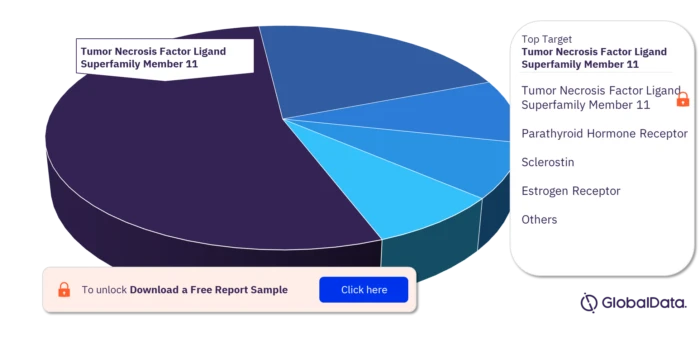

Osteoporosis, a condition characterized by weakened bones and increased fracture risk, affects millions of people worldwide, predominantly women.
The future of osteoporosis treatment holds great promise, with ongoing research and advancements paving the way for innovative approaches that could revolutionize patient care. In this article, we delve into the exciting developments that are unveiling the future of osteoporosis treatment.
Targeting Bone Health at the Cellular Level
Traditional osteoporosis treatments have primarily focused on preventing further bone loss. However, future therapies are looking beyond this approach and targeting bone health at the cellular level. Researchers are exploring ways to stimulate bone formation and enhance bone quality. By understanding the intricate mechanisms involved in bone metabolism, scientists are developing novel medications that promote bone growth, improve bone density, and reduce fracture risk.
Precision Medicine: Tailoring Treatments to Individuals
The advent of precision medicine is transforming the field of osteoporosis treatment. Precision medicine takes into account an individual's genetic makeup, lifestyle factors, and specific risk factors to develop personalized treatment plans. Genetic testing allows healthcare providers to identify genetic markers associated with osteoporosis susceptibility and tailor interventions accordingly. This approach aims to optimize treatment effectiveness, reduce side effects, and improve overall patient outcomes.
Innovative Drug Therapies
Exciting advancements in drug therapies are on the horizon for osteoporosis treatment. Researchers are exploring new classes of medications that target specific cellular pathways involved in bone remodeling. These therapies have the potential to not only prevent bone loss but also stimulate bone formation, resulting in stronger and healthier bones. Additionally, advancements in drug delivery systems, such as extended-release formulations, implants, or patches, are being developed to enhance treatment convenience and compliance.
Regenerative Medicine: Repairing and Rebuilding Bones
Regenerative medicine is an emerging field that offers promising possibilities for osteoporosis treatment. Scientists are investigating approaches such as stem cell therapy and tissue engineering to repair and regenerate damaged bone tissue. These regenerative therapies aim to stimulate the body's natural healing processes, promote bone regeneration, and restore bone strength. While still in the early stages of development, regenerative medicine holds great potential for individuals with severe osteoporosis or those who have experienced fractures.
Innovative Imaging Techniques
Advancements in imaging techniques are playing a crucial role in the future of osteoporosis treatment. High-resolution imaging methods, such as high-definition dual-energy X-ray absorptiometry (DXA) and quantitative computed tomography (QCT), provide more accurate assessments of bone density, microarchitecture, and strength. These advanced imaging technologies enable healthcare professionals to precisely diagnose osteoporosis, monitor treatment progress, and tailor interventions based on individual patient needs.
Holistic Approaches: Beyond Medication
While medications play a vital role in osteoporosis treatment, holistic approaches that encompass lifestyle modifications and overall bone health are gaining prominence. Regular weight-bearing exercises, adequate calcium and vitamin D intake, and lifestyle modifications to minimize factors that contribute to bone loss are essential components of comprehensive treatment plans. The future of osteoporosis treatment emphasizes the importance of a multidisciplinary approach that addresses all aspects of bone health.
In conclusion, the future of osteoporosis treatment holds tremendous promise. With advancements in targeted therapies, precision medicine, regenerative medicine, innovative drug delivery systems, imaging techniques, and holistic approaches, healthcare professionals are on the brink of transforming the management of osteoporosis. These developments offer hope for improved outcomes, enhanced quality of life, and a brighter future for individuals living with osteoporosis.




























Sign in to leave a comment.