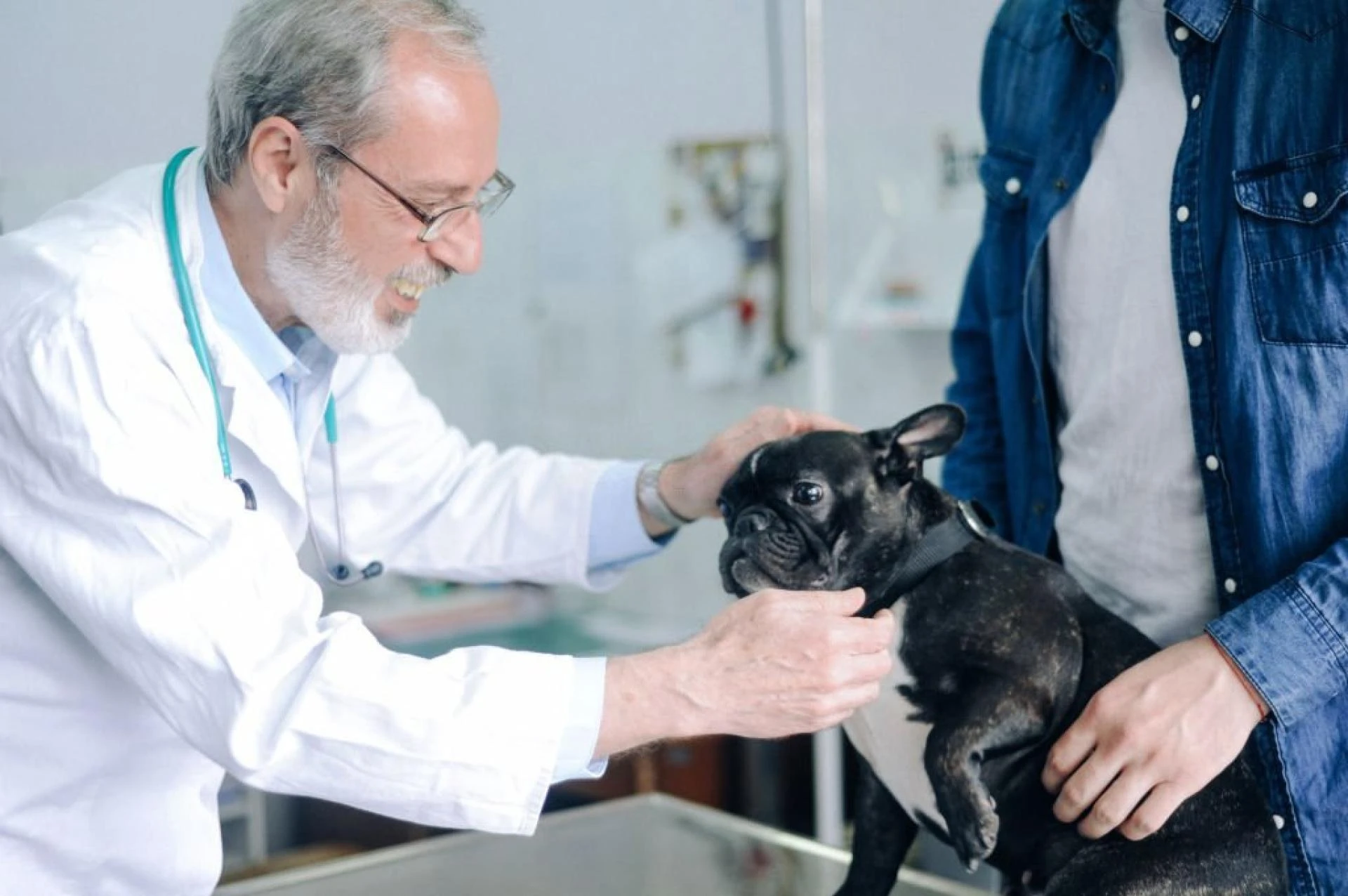

In the dynamic realm of canine health, two prevalent concerns often trouble pet owners – dogs' nails turning white and the myriad spectrum of potential dog diseases. In this comprehensive guide, we aim to unravel the mysteries behind these issues, offering valuable insights, preventative measures, and a deeper understanding of maintaining our furry friends' well-being.
Decoding Dogs' Nails Turning White
The Significance of Nail Health in Dogs
As dedicated pet owners, understanding the significance of dogs' nail health is paramount. Nails are not just an aesthetic aspect; they play a pivotal role in a dog's daily life, influencing their mobility, stability, and overall comfort. The phenomenon of dogs' nails turning white raises questions about potential underlying issues, necessitating a closer look into the various causes.
Exploring Potential Causes
Nutritional Deficiencies:
One common culprit behind white nails in dogs is nutritional deficiencies. Inadequate levels of essential nutrients, including zinc and biotin, can manifest in changes to nail pigmentation. Ensuring a well-balanced diet tailored to a dog's specific needs is key in preventing such issues.
Fungal Infections:
White nails may also be indicative of fungal infections, particularly yeast infiltrations in the nail bed. Regular grooming practices, including thorough cleaning of paws, can significantly reduce the risk of fungal infections.
Trauma or Injury:
Trauma or injury to the nail bed, whether accidental or due to improper trimming, can result in white nails. Vigilance during outdoor activities and careful grooming routines are essential in mitigating the risk of such incidents.
Age-Related Changes:
As dogs age, their bodies undergo natural transformations, including changes in nail pigmentation. Distinguishing between normal aging processes and potential health issues requires keen observation and periodic veterinary consultations.
Navigating the Landscape of Dog Diseases
Understanding the Spectrum
Beyond nail concerns, a diverse array of dog diseases poses potential threats to canine well-being. From common ailments to more serious conditions, staying informed is key to early detection and effective management.
Common Dog Diseases:
a. Canine Parvovirus:
A highly contagious viral infection, canine parvovirus primarily affects puppies. Symptoms include severe gastrointestinal distress, requiring immediate veterinary attention.
b. Canine Distemper:
Another viral affliction, canine distemper targets the respiratory, gastrointestinal, and nervous systems. Vaccination is crucial in preventing this potentially fatal disease.
c. Lyme Disease:
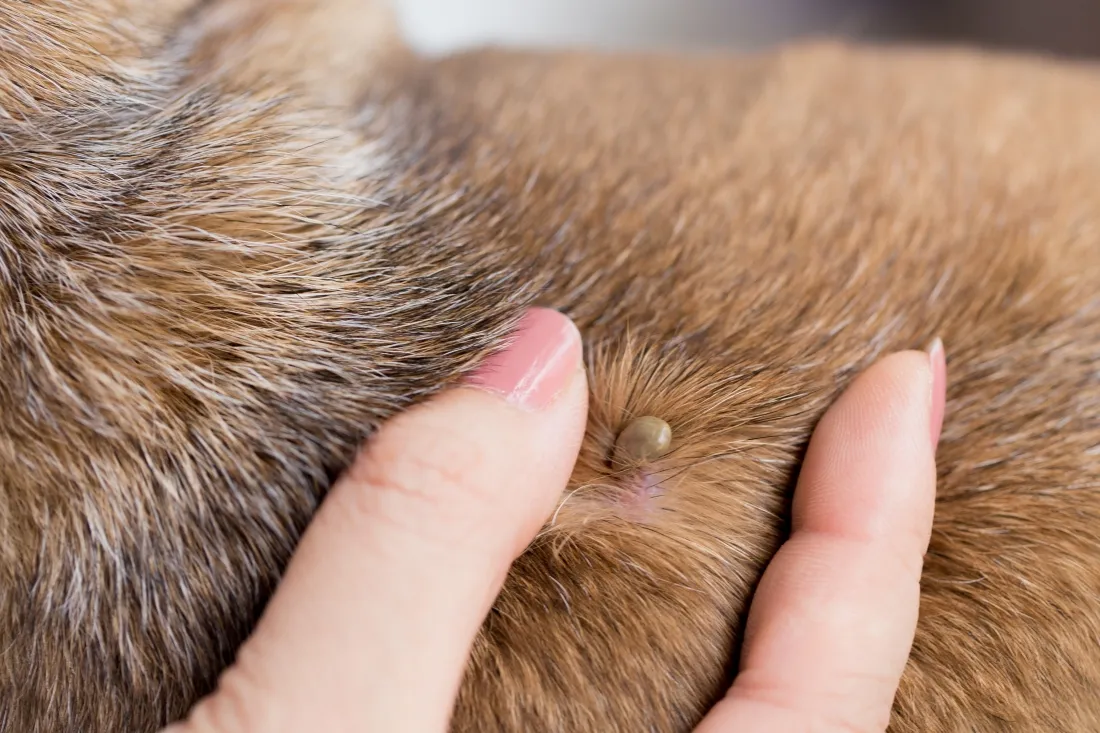
Transmitted through ticks, Lyme disease can affect dogs, leading to joint pain, lethargy, and, if untreated, more severe complications.
d. Heartworm Disease:
A parasitic infection transmitted by mosquitoes, heartworm disease poses a significant threat to dogs' cardiovascular health. Preventative measures, including regular medication, are vital.
Proactive Measures for Canine Well-Being
Holistic Nutrition:
A balanced diet tailored to a dog's age, breed, and health status is fundamental in preventing nutritional deficiencies.
Regular Veterinary Check-Ups:
Periodic visits to the veterinarian enable early detection of potential health issues, including white nails and underlying diseases.
Vaccination Protocols:
Adhering to recommended vaccination schedules is a cornerstone in safeguarding dogs against preventable diseases.
Proactive Grooming Practices:
Regular grooming routines, including paw cleaning and nail trimming, contribute to overall nail health and reduce the risk of infections.
Conclusion: A Holistic Approach to Canine Care
In conclusion, addressing the concerns of dogs' nails turning white and understanding the spectrum of dog diseases requires a holistic approach. By prioritizing nutritional adequacy, vigilant grooming, and proactive veterinary care, pet owners can contribute significantly to their dogs' overall well-being.


























Sign in to leave a comment.