

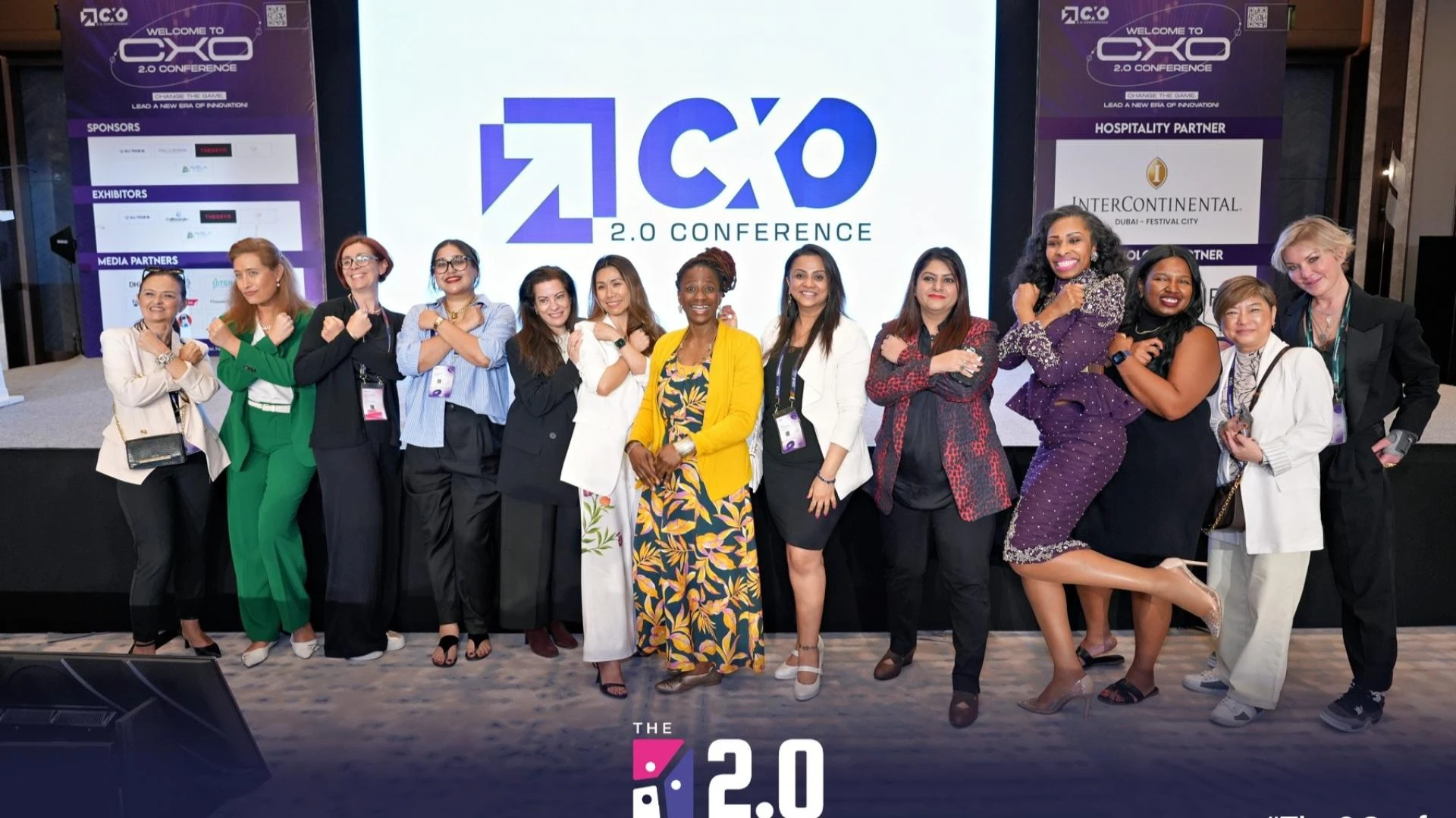
Workplace wellness is undergoing a transformational evolution as leaders prepare for 2025’s emerging dynamics. With diverse, global workforces and intensifying competition, holistic employee health is imperative. However, new privacy laws and decentralized teams pose challenges. This makes leveraging technology-enabled solutions essential for the next generation of programs. At upcoming leadership events in the USA, like the CXO 2.0 Conference, experts are charting the future of organizational well-being.
This blog explores the innovations that will allow companies to build cultures of longevity, productivity, and purpose. Readers will gain actionable insights to create supportive environments where all employees can thrive. By investing in human capital today, business leaders can ensure their success in the future.
Embracing Evolving Workforce Dynamics
In an era poised for considerable change, the focus of the leadership summit in 2025 may be to reinvent workforce models. Addressing the need for effectively managing onsite, remote, and hybrid work systems has become pivotal. Strategic leaders will hone their abilities to pivot seamlessly across various work arrangements, catering to individual employee needs. Moreover, the essence of workplace wellness will evolve to encompass the virtual environment of home-based offices.
By adopting a forward-thinking perspective and nurturing a culture of wellness that permeates beyond traditional office spaces, organizations can nurture employee productivity and satisfaction. Tomorrow’s leaders will shape innovative solutions, acknowledging new workforce dynamics to maintain their businesses’ pulse.
Advanced Tech In Personalized Wellness
The health and wellness sector is transforming with new technologies like AI, wearables, and VR. AI analyzes health data to offer personalized advice. Wearables track health metrics in real-time, keeping users informed and proactive. VR creates interactive experiences for stress reduction and exercise. These tools make wellness programs more effective by tailoring them to individual needs. They predict health risks and encourage healthier lifestyles. For busy business leaders, this approach is a practical way to balance work and health, shaping the future of workplace wellness.
Future-Focused Strategies To Augment Employee Wellness Engagement
Today’s business leaders recognize the critical role of employee engagement in wellness programs, mirroring a trend that’s gaining momentum. Encouraging employees to share feedback transforms wellness initiatives into tailored, impactful strategies. This approach reflects the forward-thinking concepts akin to those previewing at upcoming leadership events in the USA, like the CXO 2.0 Conference, which cultivates a culture of comprehensive well-being within organizations.
Redefining Performance Metrics
“Success isn’t just about what you accomplish; it’s about well-being too,” reflects the modern business ethos. Today’s leaders are revising performance metrics to include holistic wellness indicators. This new interpretation aligns employee well-being with company goals, acknowledging the link between a healthy workforce and increased productivity. Future trends suggest this integrated approach will not only elevate employee performance but also reinforce a resilient, thriving business environment.
Steering Through Legal And Ethical Terrain
As business leaders strategize for their upcoming leadership summit in 2025, they are increasingly confronted with legal and ethical challenges that need to be addressed. Balancing employees’ well-being with privacy safeguards is critical. Incorporating policies with a deep respect for personal boundaries must become a part of future action plans. However, we live in an era of ever-changing regulations. A focus on remaining informed of emerging trends and updated regulations becomes pivotal in sustaining ethical, secure workplace wellness programs. Anticipate challenges, equip your organization with knowledge, and strategically devise wellness initiatives. Leadership events thus emerge as spaces for shared wisdom, providing solutions and paths to navigate through these pressing concerns.
Pioneering Holistic Wellness Approach In Tomorrow’s World
Today’s visionary leaders are championing a comprehensive wellness model that transcends physical health, encompassing mental, emotional, and social well-being. This shift marks a significant trend in the global health and wellness sector. Tackling mental health issues like stress, anxiety, and depression is now a corporate imperative, signaling a new era in workplace wellness. Forward-thinking businesses are adopting holistic wellness strategies, recognizing their crucial role in fostering a balanced and healthy workforce. This movement not only addresses societal needs but also positions businesses at the forefront of a healthier, more balanced future.
Supporting The Financial Health Of Employees
Incorporating financial wellness into workplace programs is increasingly essential. Financial stress impacts overall well-being, making services like budgeting advice and investment planning vital. These offerings help employees manage their finances more effectively, leading to improved mental and emotional health. Forward-looking businesses recognize that supporting financial health is as crucial as physical and mental wellness. This holistic approach to employee well-being reflects a growing trend in corporate wellness strategies, cultivating a more secure and productive workforce for the future.
Assessing Wellness Program ROI
Assessing the ROI of wellness programs is essential in the current data-centric business environment. A meticulous approach to measuring their impact on employee health and productivity is key. This analysis directly links wellness initiatives to overall business performance and sustainability. Forward-thinking organizations are increasingly recognizing that investing in employee wellness is not just an ethical choice but a strategic one, contributing significantly to long-term business success. This trend underscores the evolving perception of wellness programs from a mere benefit to an integral part of organizational strategy.
Climate Change And Its Role In Employee Wellness
Future-focused companies recognize climate change as a critical concern for staff welfare. Rising temperatures can compromise the physical and mental health of employees, affecting overall productivity. To combat this, forward-thinking business leaders are improving workplace sustainability. Implementing green initiatives, investing in eco-friendly infrastructure, and endorsing telecommuting are significant steps. Through these actions, businesses can both minimize environmental impact and boost employee wellness in coming years.
Advancing Diversity In Future Employee Wellness Programs
The evolution of employee wellness programs is increasingly focused on embracing diversity, reflecting the progressive dialogues expected at an upcoming leadership event in the USA. This trend toward accommodating various cultural backgrounds, lifestyles, and life stages is crucial for developing effective, personalized wellness strategies. By adopting this inclusive approach, businesses position themselves at the forefront of employee well-being, creating programs that resonate with every individual. This forward-thinking strategy not only enhances employee engagement but also aligns with the evolving expectations of tomorrow’s workplace, where each employee’s uniqueness is valued and nurtured.
Lead The Way In Evolving 2025 Workplace Wellness
As we look ahead to 2025, the role of wellness in the workplace is clearly changing. Business leaders are now focusing more on holistic and diverse approaches, along with the use of advanced technology. This shift shows a strong commitment to the well-being of employees, which is key for a strong and efficient workforce. Staying up-to-date and ready to make changes in wellness strategies is important. While gaining new insights, including those from industry events and leadership discussions in 2025, like the CXO 2.0 Conference, can be helpful, it’s essential for leaders to continuously seek new ideas and methods. This will ensure that their wellness plans stay relevant and effective in the evolving business world.


























Sign in to leave a comment.