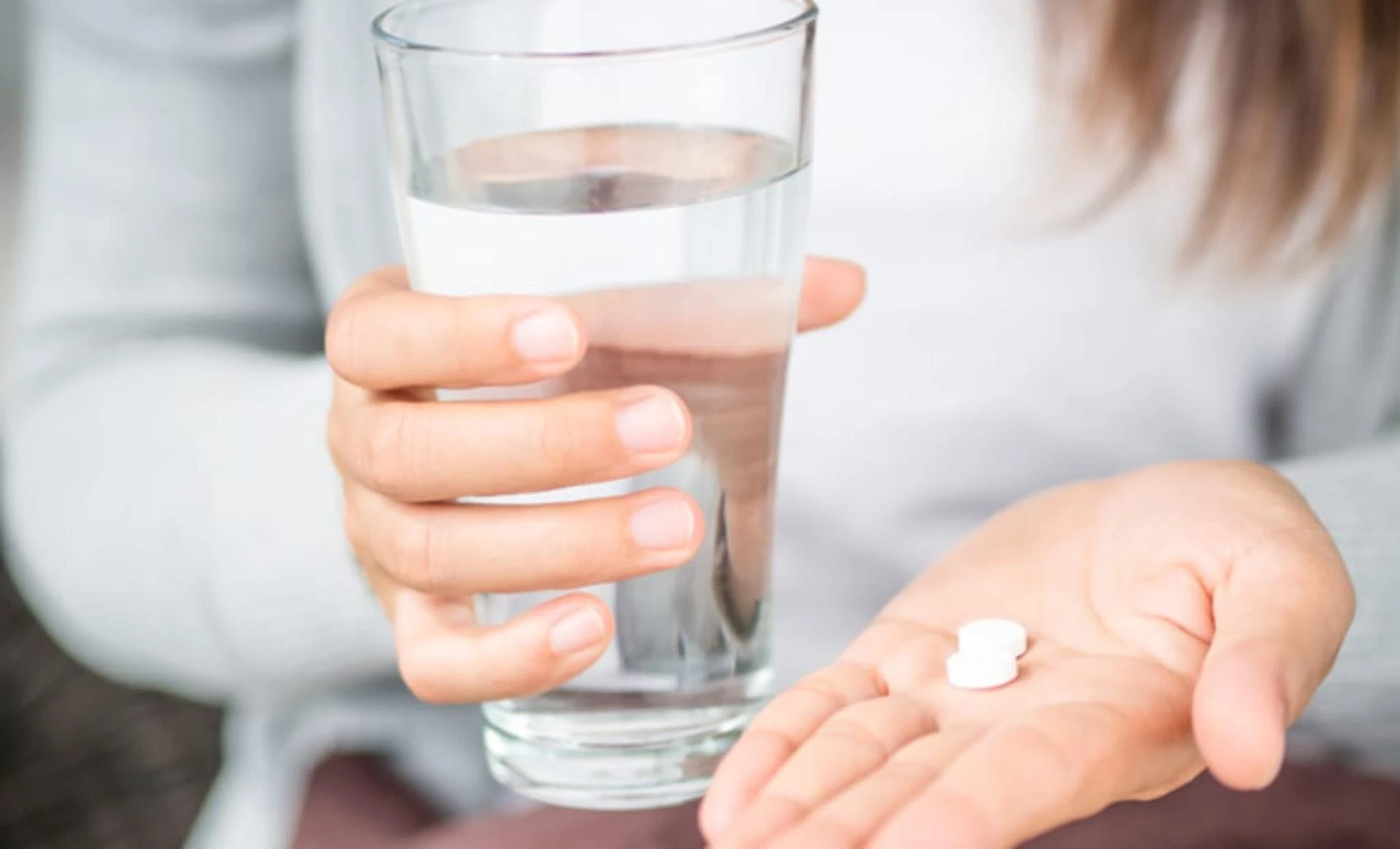

Low Dose Naltrexone & Small Intestinal Bacterial Overgrowth
What is Naltrexone?
Naltrexone is an opioid blocker, which blocks the opioid receptors present in your brain. Opioid receptors respond to endorphins – chemicals that are responsible for the body’s natural “feel good” sensation. Opioids adhere to these receptors and create a comparable result. They inhibit painful sensations, decrease the breathing rate, and provide an anti-depressing and calming effect. As an opioid receptor blocker, Naltrexone stops opioids from joining with the receptors and as a result, prevents patients from feeling the high of drug use. It is given when the person is in rehabilitation from opioid dependence.
What is LDN?
As the name suggests – Low Dose Naltrexone – though, it produces quite a different effect. It raises the level of endorphins by partly and momentarily obstructing the opioid receptors. This influence seemingly is at its top when the levels of endorphins are usually the highest, at around 3 AM to 4 AM. These blocked receptors send signals to the brain that the level of endorphins is below normal, so it increases the body’s endorphin production.
In 1985-1986, a doctor in New York, Dr. Bernard Behari found out that this mechanism of action of Low Dose Naltrexone can help people undergoing autoimmune diseases, cancer, and HIV, etc.
Numerous small studies have been conducted since that time and it seems that LDN can be useful for a very wide range of medical conditions.
What is SIBO?
SIBO - Small intestinal bacterial overgrowth is a complicated health condition that comprises:
Chronic bacterial infection in the small intestineBacteria consist of the species normally found in the gut but presence and quantity in the small intestine are not normalBacteria might be pathogenic varietiesThe cause of small intestinal bacterial overgrowth is not known, although some risk factors that account for SIBO include:
Structural or anatomic abnormalities might influence the normal motility of the small intestine. Stillness, or loss of movement, leads to bacterial imbalance. This issue occurs if you:
are suffering from diverticulosis — tiny protruding pouches in the small intestineunderwent surgery that transformed the structure of the small intestine, like Roux-en-Y gastric bypass surgery, or operation on the last portion of the small bowel, or operation on the right colon involving removal of the ileocecal valve.Have amyloidosis — deposits get collected in the small intestine and alter their structureHave scar tissue that formed after radiation therapy or following multiple abdominal surgeriesThe use of some medications can be associated with SIBO. These involve:
Narcotic medicinesAnti-spasm medicines for irritable bowel syndrome (IBS), like dicyclomine or hyoscyamineLong-term usage of proton pump inhibitors (PPIs) — medicines that reduce acid in the stomach to prevent heartburnExcessive use of antibiotics might change the bacteria in the small bowelChronic systemic ailments, which can cause issues with motility. These conditions include:
DiabetesLupusSclerodermaHaving a weakened immune system. This involves people who have:
Human immunodeficiency virus (HIV)Combined variable immunodeficiencyImmunoglobulin A deficiencySIBO SYMPTOMS
▪ IBS – bloating, constipation/diarrhea, cramps
▪ Malabsorption - steatorrhea, weight loss
▪ Leaky Gut Syndrome - Fatigue, pain in joints, rashes, mood swings, cognition, migraines, allergies
SIBO is linked with many additional disorders
Gastro-Intestinal
IBD (Inflammatory Bowel Disease),IBS (Irritable Bowel Syndrome)Liver diseaseCeliac DiseaseFibromyalgia Neurologic
Muscular DystrophyParkinson’s DiseaseDysautonomiaInflammatory/Autoimmune
SclerodermaRheumatoid ArthritisLyme DiseaseSIBO TREATMENT
hydrogen-predominant SIBO: This is the primary treatment that involves the use of antibiotic rifaximin.methane-predominant SIBO: This kind of SIBO is more difficult to treat, and it might take more time to respond to treatment. For these cases, rifaximin and neomycin are used.recurrent SIBO: The patient is strictly observed for a recurrence of small intestinal bacterial overgrowth. If that happens, formulations of antimicrobial herbs can be given for the treatment of recurrences and also as an option for primary treatment of hydrogen- or methane-predominant SIBO.Low Dose NaltrexoneHOW LDN CAN HELP TREAT SIBO?
LDN is naltrexone given in lower dose, almost less than 10% of the standard doseAntagonizes the ĸ and μ receptorsLDN allows pulsatile dosing due to short half-lifeFeedback response to pulse dosing boosts enkephalins and endorphinsIncrease of Opioid Growth Factor (OGF) and OGF receptorsLDN AT THE GUT LEVEL LEADS TO:
OGF mediated modulation of T cell and B cell activityReduced inflammationReduced permeabilityToll-like receptor stabilizationIncreased motilityOutcome
SIBO outlines a chronic bacterial infection of the small intestineSIBO is linked with a wide range of chronic conditionsEnteric motility performs a fundamental role in the inhibition and treatment of SIBOLDN’s prokinetic action has been investigated in the treatment of SIBO and similar conditionsLDN interacts with the immune system, secretion, permeability, and bacterial translocation which might also present a part in the treatment of SIBORandomized experiments with LDN for SIBO would be usefulPatient education of SIBO might further support these investigationsReference article link:
https://culturebooklet.com/AuthorsHome/Details?postId=7385



























Sign in to leave a comment.