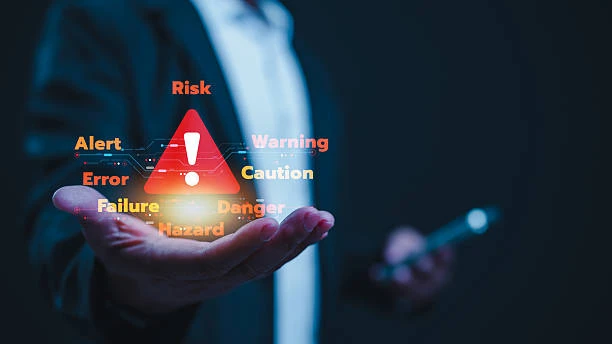

Because of how connected we are today, your brand’s reputation can change in a short period. If a single negative issue is not handled, it can quickly grow into a crisis. For this reason, it’s important to manage your reputation in advance and media alerts are one of the best ways to do this.
Because of these notifications, businesses are able to monitor chatter about them in news outlets, blogs, forums and social networks. Using media alerts, businesses can control their reputation, respond swiftly to any threats and decrease the risk of harm to their brand.
What Are Media Alerts?
When your business, brand, product, executive or designated keyword appears in the media, you will receive a media alert immediately. You can receive these alerts from traditional news sites, blogs and also from Twitter, Facebook, LinkedIn and YouTube.
Media alerts should be seen as an early alert system for your brand. They provide you with updates and let you respond—before the public’s opinion gets out of hand.
What Makes Real-Time Media Alerts Crucial
Nowadays, information and opinions spread quickly online. A small delay in detecting a negative review could cost your business customers, reduce your share price and ruin your brand’s reputation. Stories often go viral very quickly on social media.
When you receive real-time media monitoring alerts, you are able to:
- Identify any negative news or comments as soon as possible.
- Monitor what is happening in the industry and with competitors.
- Act swiftly when there is a PR crisis or false information.
- Identify people who already support the brand and reach out to them.
Regardless of whether your company is big or small, media alerts give you the chance to manage how your brand is portrayed.
How Social Media Alerts Help with Managing a Company’s Reputation
While newspapers and TV are still important, social media alerts can be more crucial. Conversations take place quickly on social platforms and sometimes these discussions lead to crises.
You will be alerted by social media if someone tags your business, mentions your brand or uses relevant keywords. As a result, your team can:
- Deal with customer complaints as soon as you can.
- Notice and highlight the good things people say.
- Keep an eye on what’s trending and the feelings behind them.
- Monitor what your competitors are doing.
When you use these alerts as part of your social media monitoring, you can build better ties with your audience and anticipate any negative reactions.
Preventing Problems with Timely Monitoring
Risk management is not only about preparing for the worst, but also about stopping those situations from happening. This is how media monitoring alerts help reduce risks:
1. Identifying PR Crises as Soon as They Begin
Media alerts help you identify problems in advance. If there’s a comment about a problem with your product or poor service on a niche blog or on Twitter, you can respond right away to address the issue and control the situation.
2. Following Executive and Employee Mentions
Many times, the brand is represented by its executives and important employees. Keeping an eye on these individuals helps to respond to any negative or questionable news as soon as it appears.
3. Reputation Intelligence
Regularly checking the media helps you understand the way your brand is viewed. The information can be applied to improve marketing efforts, update messages and guide better business decisions.
4. Legal and Compliance Events
For heavily regulated industries, media alerts can be set up to identify information that might indicate legal or compliance risks. With this, legal teams are able to swiftly investigate and address possible breaches.
Guidelines for Working with Media Alerts
For the best results with media alerts, keep these practices in mind:
Choose the Proper Keywords: Include your brand, product names, executive names and common misspellings in your set of keywords. Ensure to include competitors and important terms from the industry to increase the range of your coverage.
Reliable Tools: Make sure to use a media monitoring tool that allows you to set custom alerts, get instant updates, analyze opinions and track across different platforms.
Ensure that media alerts reach the PR, legal and customer support teams so they can handle the situation promptly.
Keep an eye on your alerts and make adjustments regularly to reduce the number of irrelevant notices.
Selecting the Best Media Monitoring Tool
Many tools provide media monitoring alerts and each has its own set of advantages. The top platforms offer:
- You can set up alerts using email, Slack or the dashboard.
- News, blogs and social media are all covered.
- Analyzing and monitoring public opinion
- Working with CRM or issue tracking software
- Certain platforms use AI to analyze media activity and predict possible risks.
Final Thoughts
With perception changing so fast online, businesses must be proactive. Media alerts give you up-to-date information to protect your reputation and limit your risk.
When you use social media alerts, monitor the media and have a general social media monitoring system, you can handle your brand image with ease.

























Sign in to leave a comment.