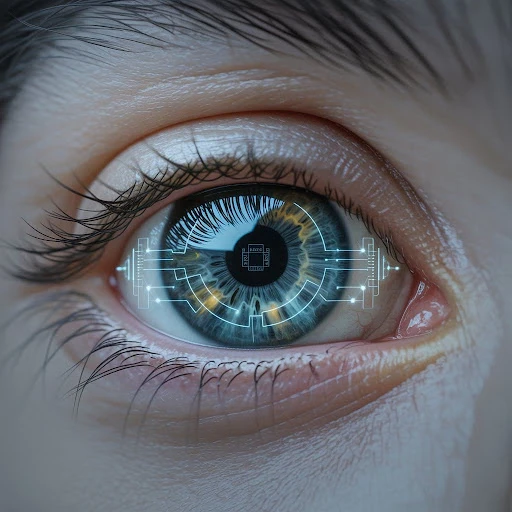

In today’s digital world, where identity verification plays a vital role in everything from banking to border control, liveness detection has become a cornerstone of modern biometric security. As facial recognition and other biometric systems become increasingly common, the risk of spoofing attacks — where fraudsters use photos, videos, or masks to impersonate someone — has also grown. Liveness detection technology provides the defense mechanism that ensures the person in front of the camera is real, alive, and present during authentication.
What Is Liveness Detection?
Liveness detection is a security feature that distinguishes between a real human being and a fake representation of one. It’s commonly used alongside facial recognition to verify that the detected face belongs to a live person and not a static image or a digital deepfake.
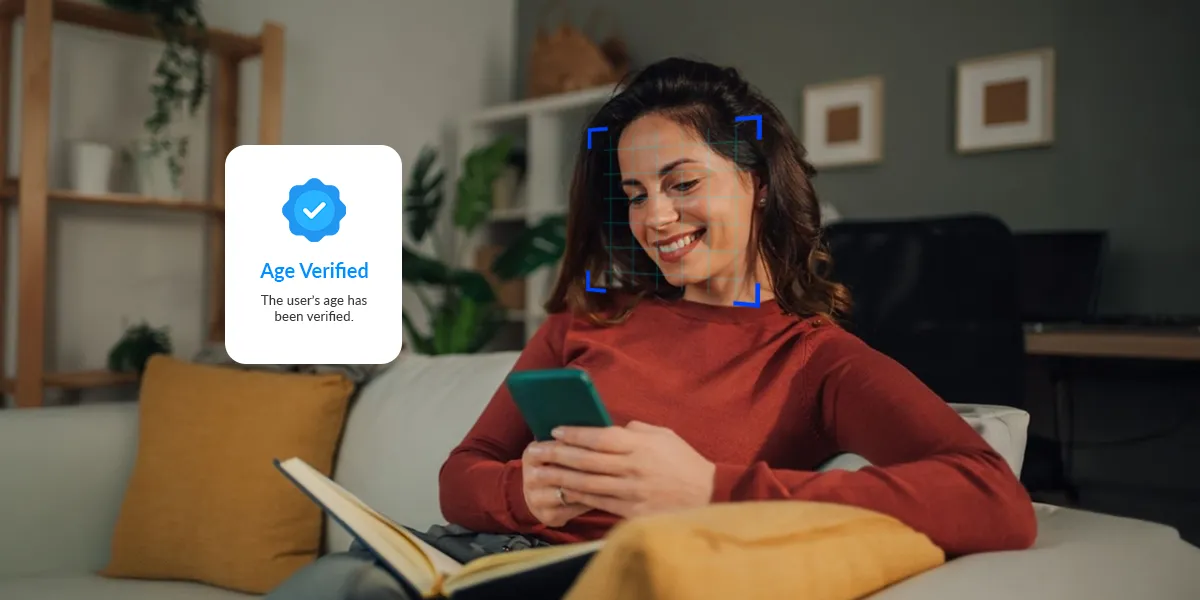
For example, when you unlock your smartphone using your face, the camera isn’t just identifying your features—it’s also checking for natural movements, reflections, and responses that prove you are physically present. This ensures that a printed photo or a recorded video of your face can’t trick the system.
Why Is Liveness Detection Important?
The importance of liveness detection has skyrocketed as cybercriminals have become more sophisticated. Traditional facial recognition systems, while powerful, can be deceived using simple tactics such as holding up a photograph or a high-quality video of the registered person. With the rise of AI-generated deepfakes, these spoofing attempts have become even more advanced.
Liveness detection prevents such attacks by analyzing physical cues, depth information, and behavioral patterns that only a live human can exhibit. In industries like banking, fintech, healthcare, and travel, where digital onboarding and remote verification are common, liveness detection protects both businesses and customers from identity theft and financial fraud.
How Liveness Detection Works
Liveness detection operates through two main types of techniques: active and passive.
- Active Liveness Detection
- In active methods, users are asked to perform certain actions—such as blinking, smiling, or turning their head—to prove they are real. The system monitors these movements to confirm natural, live behavior. While effective, this approach can sometimes reduce user convenience.
- Passive Liveness Detection
- Passive detection, on the other hand, works silently in the background without requiring any user interaction. It uses AI algorithms to analyze images or videos, identifying subtle signs of life such as skin texture, lighting consistency, and 3D depth cues. Passive systems are faster and more user-friendly, making them ideal for seamless authentication experiences.
Advanced systems may also employ multi-modal liveness detection, combining face, voice, and even iris recognition to increase accuracy and resilience against spoofing.
Applications of Liveness Detection
Liveness detection has quickly become an essential part of identity verification across numerous industries:
- Banking and Fintech: Online banks and payment apps use liveness detection to verify users during account creation, login, and high-value transactions, reducing fraud risks.
- E-commerce and Digital Payments: Merchants use it to prevent account takeovers and unauthorized purchases.
- Healthcare: Hospitals and telemedicine platforms use it to confirm patient identity before virtual consultations.
- Travel and Border Control: Airports integrate liveness detection with biometric e-gates to ensure secure and efficient passenger processing.
- Corporate Access Control: Companies implement it to secure physical and digital access points, ensuring only authorized employees can enter sensitive areas.
AI and Deep Learning in Liveness Detection
Artificial intelligence and deep learning have revolutionized the way liveness detection works. Modern systems rely on convolutional neural networks (CNNs) and other AI models to detect micro-expressions, skin reflection patterns, and 3D geometry that are almost impossible to replicate with static media.
AI-based liveness detection systems continuously learn from new spoofing methods, becoming more robust over time. This adaptability is crucial, as attackers are constantly inventing new ways to bypass security systems.
Challenges in Liveness Detection
Despite its advancements, liveness detection is not without challenges. High-quality masks, AI-generated deepfakes, and advanced spoofing technologies pose serious threats. Moreover, achieving a balance between security and user convenience can be difficult—especially in environments with poor lighting or low-resolution cameras.
Another challenge lies in data privacy. Liveness detection systems must comply with global regulations such as GDPR, ensuring biometric data is processed securely and ethically.
The Future of Liveness Detection
As digital identity verification continues to evolve, liveness detection will play an increasingly critical role in securing online interactions. Future systems are expected to integrate even more advanced 3D sensing, infrared imaging, and behavioral biometrics to deliver higher accuracy and zero-friction user experiences.
With innovations in edge AI and on-device processing, liveness detection can also run locally on smartphones and IoT devices—eliminating the need to send biometric data to remote servers and enhancing privacy protection.
Conclusion
Liveness detection has emerged as a powerful safeguard against biometric spoofing and identity fraud. By ensuring that every face or fingerprint scanned belongs to a living, breathing person, this technology builds trust in digital systems and strengthens the foundation of modern security.
In a world where deepfakes and synthetic identities threaten to blur the line between real and fake, liveness detection stands as a crucial defense—ensuring that authenticity remains at the heart of digital identity verification.

























Sign in to leave a comment.