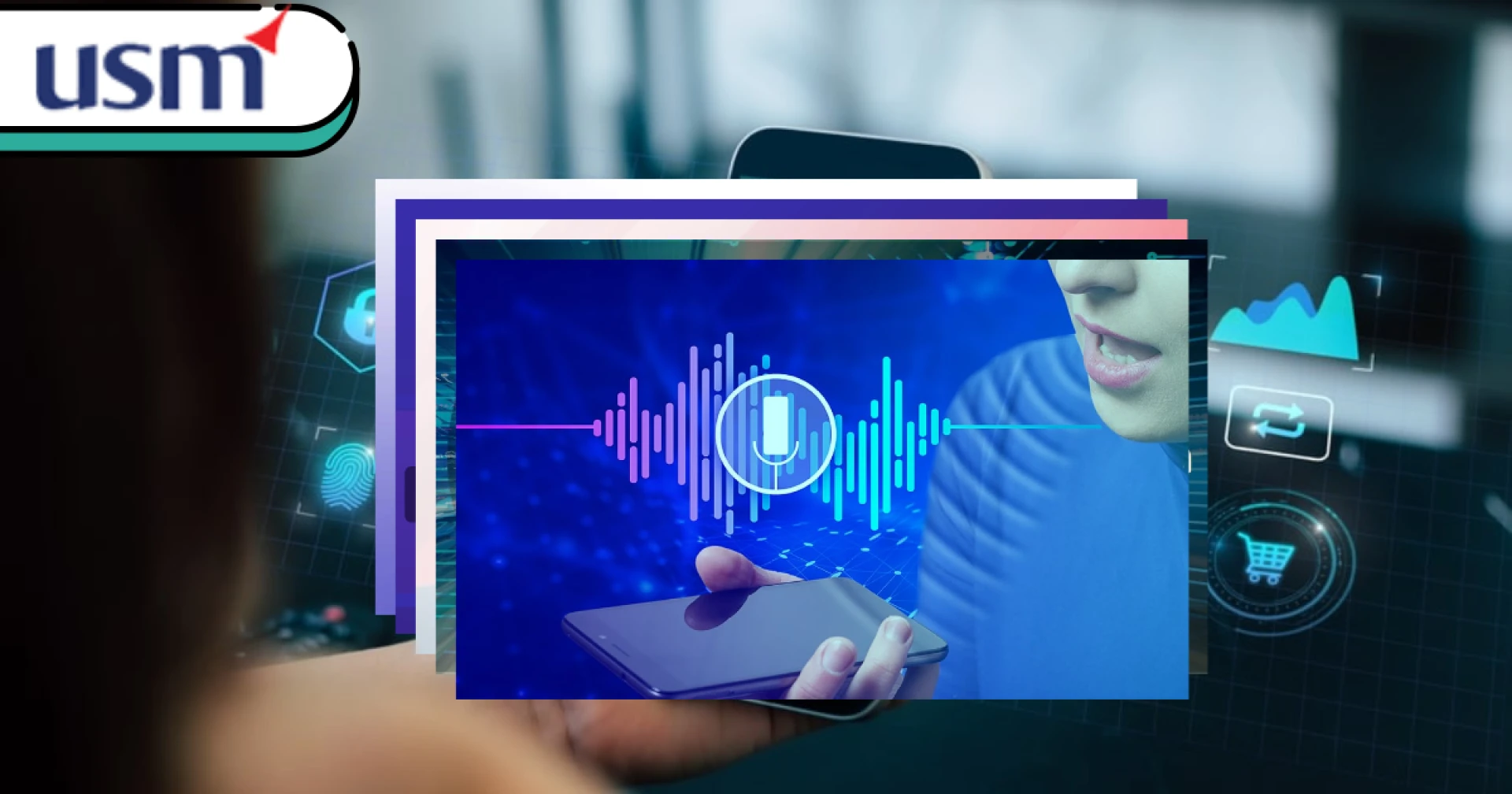

Artificial Intelligence (AI) has significantly advanced speech recognition technology, making it faster, more accurate, and more accessible than ever before. Speech recognition, also called automatic speech recognition (ASR) or speech-to-text, enables computers to interpret spoken language and convert it into written text. This technology has widespread applications in personal assistants, customer support, healthcare documentation, real-time transcription, and accessibility tools. Below the most powerful AI-based speech recognition apps widely recognized for their performance, accuracy, and innovative features.
1. Google Speech-to-Text
Google Speech-to-Text is one of the most widely used speech recognition platforms. Built on deep learning neural networks, it supports over 125 languages and their variants. The app provides real-time streaming transcription, which makes it useful for live captions, customer service, and voice search. It can also handle noisy environments through noise-cancellation algorithms and diarization (speaker separation). Its integration with other Google Cloud services makes it easy for developers to build voice-driven applications.
Key features:
- Real-time streaming and batch transcription
- Multi-language support
- Speaker diarization and word-level timestamps
- Highly scalable cloud-based infrastructure
2. Microsoft Azure Speech to Text
Microsoft’s Azure Speech to Text offers enterprise-grade ai apps for speech recognition based speech recognition services. It uses advanced acoustic models and deep neural networks to achieve high accuracy. It supports custom speech models, allowing businesses to train the system to recognize industry-specific terminology or accents. It also integrates seamlessly with other Azure cognitive services.
Key features:
- Real-time and batch transcription
- Custom speech model training
- Punctuation and formatting support
- Secure and compliant with enterprise standards
3. IBM Watson Speech to Text
IBM Watson’s Speech to Text is a robust cloud-based solution that delivers accurate real-time transcription. It offers customization options where users can tailor the acoustic and language models for better accuracy on domain-specific content. Its low latency makes it well-suited for live voice-driven applications like virtual assistants and call centers.
Key features:
- Real-time streaming
- Customizable models
- Multi-language support
- Built-in smart formatting and timestamps
4. Amazon Transcribe
Amazon Transcribe is part of Amazon Web Services (AWS) and uses advanced deep learning processes to convert speech into accurate text. It is designed for scalability, making it suitable for organizations handling large volumes of audio. It also offers speaker identification, custom vocabulary, and automatic punctuation.
Key features:
- Real-time and batch transcription
- Custom vocabulary support
- Speaker identification
- Integration with other AWS services
5. Nuance Dragon Professional Anywhere
Nuance Dragon is well known for its high accuracy and speed, especially in professional environments like legal, healthcare, and business documentation. The cloud-based Dragon Professional Anywhere enables users to dictate documents and emails efficiently. It adapts to a user’s voice over time, improving its accuracy through AI-based learning.
Key features:
- Highly accurate speech-to-text dictation
- Cloud-based and mobile friendly
- Industry-specific vocabularies
- Continuous learning from user input
6. Otter.ai
Otter.ai is a popular speech recognition app used mainly for meeting and lecture transcription. It uses AI to create real-time transcriptions and summaries, making it useful for professionals, educators, and students. It can identify speakers and even integrate with collaboration tools like Zoom and Microsoft Teams.
Key features:
- Live transcription and meeting summaries
- Speaker identification
- Cloud sync and sharing
- Integrations with conferencing tools
7. Rev Voice Recorder & Transcription
Rev combines AI-based speech recognition with optional human transcription for near-perfect accuracy. It is often used for interviews, podcasts, and content creation. The app records audio and automatically creates transcripts that can be edited and exported easily.
Key features:
- High transcription accuracy
- Editable transcripts
- Human + AI hybrid model
- Easy export and sharing options
8. Sonix
Sonix is a cloud-based automated transcription service powered by AI. It supports over 40 languages and is widely used by journalists, researchers, and businesses. Sonix also offers collaboration features like highlighting, commenting, and timestamped transcripts.
Key features:
- Multi-language transcription
- Collaboration tools
- Automatic timestamps and subtitles
- Browser-based interface
Read Also : al and ml use cases



























Sign in to leave a comment.