

The Benefits of AI in Medicine

Artificial Intelligence (AI) has emerged as a transformative force in the medical field, reshaping the way healthcare is delivered, diagnoses are made, and treatments are planned. By leveraging advanced algorithms, machine learning models, and data analytics, AI is revolutionizing every facet of medicine—from clinical decision-making to patient care. Below are the key benefits of AI in medicine and how it is driving innovation in the healthcare sector.
1. Enhanced Diagnostic Accuracy
One of the most notable benefits of ai in healthcare is its ability to improve diagnostic accuracy. Traditional diagnostic methods often rely on the expertise and judgment of medical professionals, which can be subject to human error, fatigue, or biases. AI-powered diagnostic tools can analyze vast amounts of data from medical images, lab tests, and patient histories with exceptional precision.
For example, AI algorithms trained on thousands of radiology images can detect anomalies like tumors, fractures, or lung diseases more accurately and quickly than human radiologists in some cases. These systems can also flag early-stage diseases that might be missed during manual examination. By supporting doctors in making data-driven decisions, AI reduces misdiagnosis rates and enhances patient outcomes.
2. Personalized Treatment Plans
AI enables the creation of personalized treatment plans tailored to individual patient needs. Every patient responds differently to treatments based on their genetics, lifestyle, and medical history. AI systems can analyze these diverse data points to predict how a patient might respond to specific therapies or medications.
This personalized approach helps doctors prescribe the most effective treatments with minimal side effects. In oncology, for example, AI is used to design precision medicine strategies that match targeted therapies to specific genetic mutations in a patient’s tumor. This improves treatment efficacy while reducing unnecessary interventions and costs.
3. Accelerated Drug Discovery and Development
Developing new drugs is a long, expensive, and complex process. AI significantly accelerates this process by analyzing huge datasets to identify promising drug candidates faster than traditional methods. AI models can predict how different chemical compounds will interact with biological targets, reducing the need for extensive trial-and-error experiments in labs.
Additionally, AI helps in repurposing existing drugs for new therapeutic uses by identifying hidden patterns in biomedical data. This can bring effective treatments to market faster and at a lower cost, benefiting patients and pharmaceutical companies alike. The recent development of COVID-19 treatments demonstrated how AI could speed up research during public health emergencies.
4. Improved Efficiency in Clinical Workflow
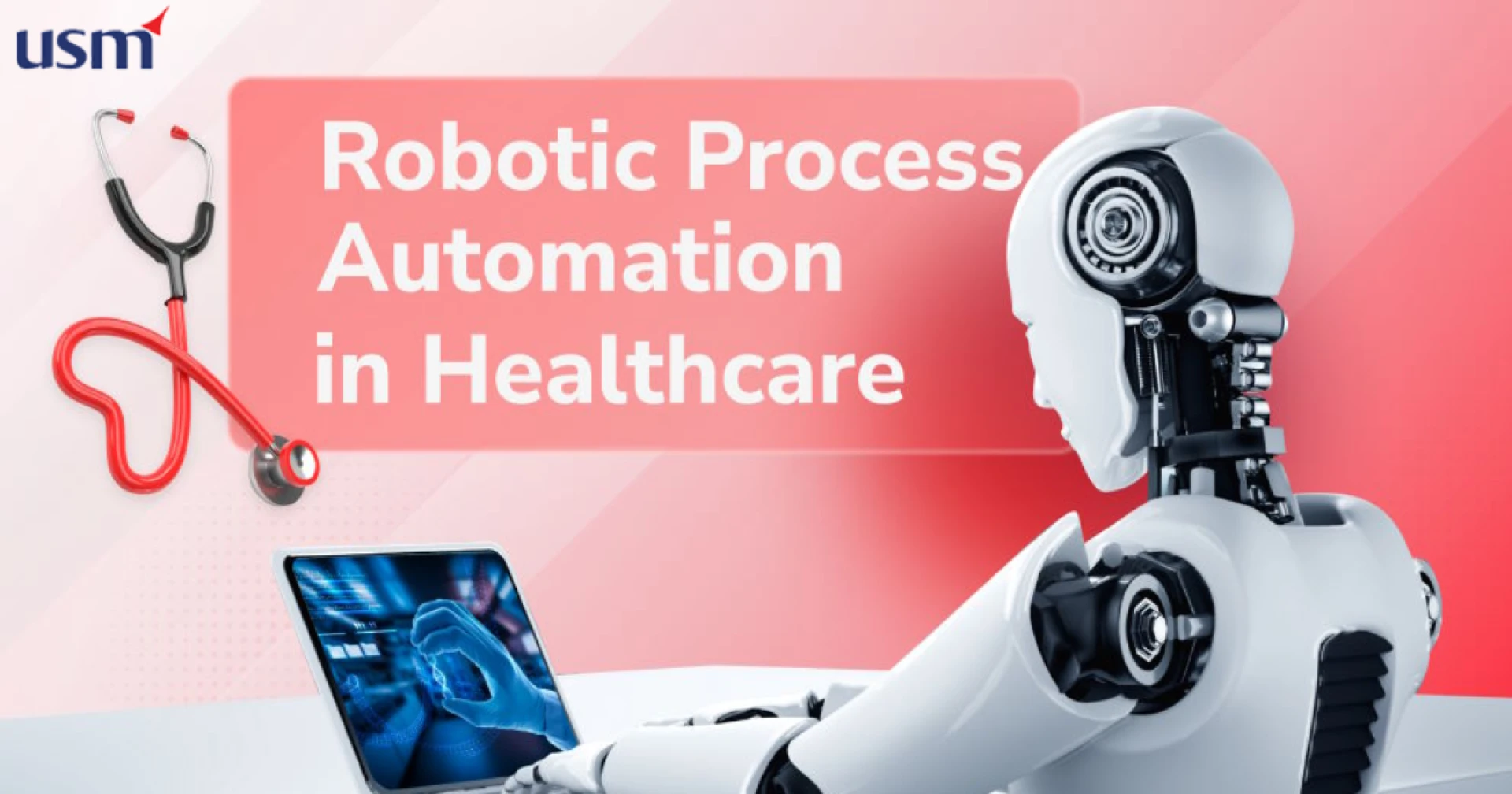
AI is transforming healthcare operations by automating routine tasks and improving overall workflow efficiency. Medical professionals often spend significant time on administrative tasks like documentation, scheduling, and billing, which can take away from direct patient care.
AI-powered tools can automate data entry, organize patient records, and manage appointments efficiently, freeing healthcare workers to focus more on patient interactions. Clinical decision support systems can also assist doctors in choosing diagnostic tests, interpreting lab results, and planning treatments. This reduces workload, saves time, and minimizes the risk of burnout among healthcare staff.
5. Remote Patient Monitoring and Telemedicine
AI plays a crucial role in enabling remote patient monitoring and enhancing telemedicine services. Wearable devices and sensors powered by AI can continuously track vital signs such as heart rate, blood pressure, and glucose levels. These systems can detect abnormal patterns in real-time and alert healthcare providers or patients instantly.
This capability is especially beneficial for managing chronic conditions like diabetes, hypertension, and heart disease. Patients can receive timely care without frequent hospital visits, improving their quality of life and reducing healthcare costs. AI also supports virtual health consultations by analyzing patient data during telemedicine sessions, ensuring accurate and efficient remote care.
6. Predictive Analytics for Disease Prevention
AI enables predictive analytics that can forecast disease outbreaks, identify at-risk populations, and anticipate future healthcare needs. By analyzing large datasets from electronic health records, genetics, lifestyle information, and environmental factors, AI can identify patterns that indicate an increased risk of developing certain conditions.
For instance, AI can predict which patients are more likely to develop diabetes or heart disease and recommend early interventions such as lifestyle changes or preventive treatments. This proactive approach shifts the focus of medicine from treating illnesses to preventing them, leading to healthier populations and reduced healthcare expenditures.
7. Support for Medical Research and Education
AI is also transforming medical research and education by providing powerful data analysis tools. It can sift through vast amounts of scientific literature, clinical trial data, and genetic information to uncover new insights that human researchers might miss. AI helps in identifying new disease markers, understanding disease mechanisms, and developing innovative therapies.
In medical education, AI-driven simulation tools allow students and professionals to practice complex procedures in virtual environments, enhancing their skills without risk to real patients. This contributes to better training, higher competency, and improved patient safety.
Read Also ; ai and ml in banking




























Sign in to leave a comment.