
Benefits of AI in the Automotive Industry
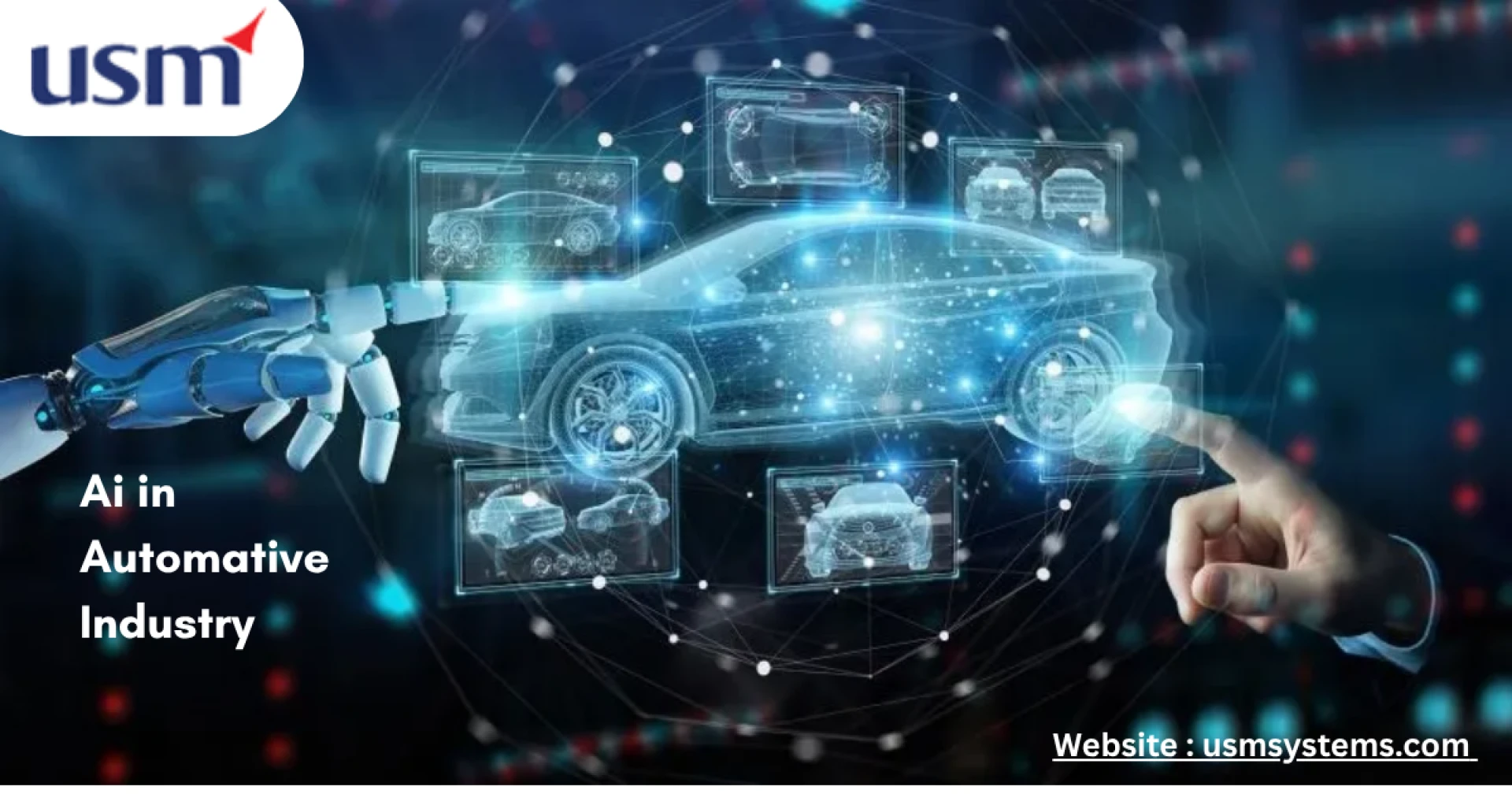
Artificial Intelligence (AI) has become one of the most transformative technologies in the automotive sector, reshaping the way vehicles are designed, manufactured, driven, and serviced. With its ability to analyze large volumes of data, make real-time decisions, and improve efficiency, AI is helping automotive companies stay competitive while addressing consumer needs for safety, personalization, and sustainability. From autonomous driving to predictive maintenance, AI applications are creating significant value across the automotive value chain. Below are the key benefits of ai services for automotive industries.
1. Enhanced Vehicle Safety
One of the most important benefits of AI in the automotive industry is improving road safety. Modern vehicles are equipped with Advanced Driver Assistance Systems (ADAS) that use AI-driven sensors, cameras, and radar to detect obstacles, pedestrians, lane markings, and other vehicles. These systems can provide collision warnings, enable automatic emergency braking, and assist with lane keeping. By reducing human error—which accounts for the majority of accidents—AI contributes to safer driving experiences and fewer fatalities on the road.
2. Autonomous Driving Capabilities
AI is the backbone of self-driving technology. Autonomous vehicles rely on machine learning algorithms, computer vision, and real-time data analysis to understand the environment and make driving decisions. Companies like Tesla, Waymo, and other automakers are heavily investing in AI to develop cars that can navigate with minimal or no human input. Although fully autonomous cars are still under development, partially autonomous systems already make driving more convenient and reduce driver fatigue, especially during long trips or in heavy traffic.
3. Predictive Maintenance
AI enables predictive maintenance by analyzing sensor data from vehicles to detect early signs of component wear or failure. Instead of relying on scheduled servicing, AI systems can alert drivers or fleet managers when a part is likely to fail, preventing costly breakdowns. For example, predictive models can monitor tire pressure, brake performance, or engine conditions and notify users in advance. This not only reduces repair costs but also extends the lifespan of vehicles and ensures reliability on the road.
4. Improved Manufacturing Efficiency
AI plays a major role in the production side of the automotive industry. In smart factories, AI-powered robots are used for assembling parts, welding, painting, and quality control. Machine learning algorithms help optimize workflows, minimize material waste, and detect defects early in the production process. AI also assists in demand forecasting and supply chain management, ensuring that automakers can respond quickly to market needs while reducing operational costs. As a result, manufacturers achieve higher productivity and improved product quality.
5. Personalized In-Car Experience
Modern vehicles are increasingly connected and intelligent, thanks to AI integration. Voice assistants and natural language processing technologies allow drivers to control entertainment systems, navigation, and climate settings using simple voice commands. AI also learns user preferences over time, creating a personalized in-car experience. For example, it can adjust seat positions, recommend music playlists, or suggest the fastest route based on the driver’s past behavior. This personalization not only improves comfort but also enhances customer satisfaction.
6. Advanced Navigation and Traffic Management
Traditional GPS systems are evolving with the help of AI. Real-time traffic prediction, route optimization, and dynamic re-routing are now possible using AI algorithms that analyze live data from sensors, vehicles, and city infrastructure. AI-based navigation systems help drivers avoid traffic congestion, reduce fuel consumption, and save time. On a larger scale, AI also supports smart city initiatives, where connected vehicles share data to improve urban traffic management and reduce emissions.
7. Energy Efficiency and Sustainability
AI contributes to environmental sustainability in the automotive sector by improving fuel efficiency and supporting the adoption of electric vehicles (EVs). Smart energy management systems powered by AI optimize battery usage, charging schedules, and route planning for EVs. By analyzing driving patterns, AI can suggest eco-friendly driving behaviors, thereby reducing carbon emissions. For manufacturers, AI helps design lightweight materials and energy-efficient engines, further promoting sustainability goals.
8. Better Customer Support and After-Sales Services
AI-powered chatbots and virtual assistants are transforming customer service in the automotive industry. They can handle inquiries, schedule service appointments, and provide instant support to customers. Additionally, AI-driven data analysis helps automakers understand customer needs, predict market trends, and offer targeted promotions. This leads to stronger customer relationships, increased brand loyalty, and higher sales.
9. Fleet Management Optimization
For logistics and transportation companies, AI offers powerful fleet management solutions. By analyzing real-time data, AI helps track vehicles, monitor driver behavior, optimize fuel consumption, and improve delivery schedules. Predictive analytics ensures minimal downtime by anticipating maintenance requirements, while route optimization reduces operational costs. This results in higher profitability and efficiency for businesses operating large fleets.
7306716745
10. Accelerated Research and Development
AI is speeding up the research and development (R&D) phase in the automotive industry. Automakers use AI simulations to test new vehicle designs, safety features, and performance parameters without relying solely on physical prototypes. Virtual testing not only reduces costs but also accelerates time-to-market for new models. Furthermore, AI helps analyze consumer feedback and market trends, ensuring that new vehicles align with customer expectations.
Read Also : ai use cases in retail industry













Sign in to leave a comment.