
Uterine fibroids are one of the most common gynecological conditions affecting women, especially during their reproductive years. While many fibroids are harmless and go unnoticed, others can significantly impact a woman’s quality of life. Consulting an experienced Female Gynecologist in Dubai at Healthbay Clinic can help with early diagnosis, personalized care, and effective treatment options.
What Are Uterine Fibroids?
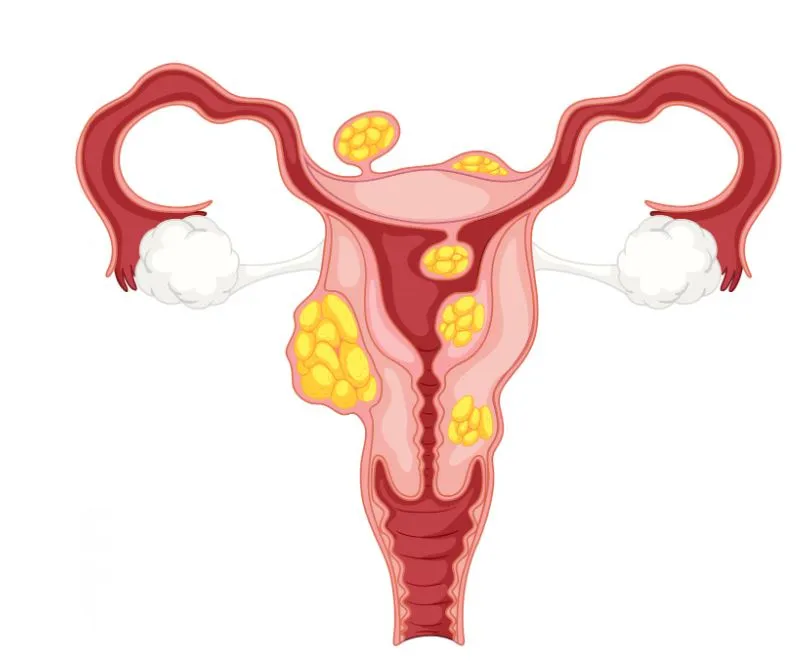
Uterine fibroids are non-cancerous growths that develop in or around the uterus. They can vary in size, number, and location. Some women may have a single fibroid, while others may develop multiple growths.
Fibroids are typically classified into:
- Intramural (within the uterine wall)
- Submucosal (inside the uterine lining)
- Subserosal (on the outer surface of the uterus)
Causes of Uterine Fibroids
The exact cause of fibroids is not fully understood, but several factors may contribute:
1. Hormonal Influence
Estrogen and progesterone play a major role in fibroid growth. These hormones stimulate the uterine lining and may encourage fibroid development.
2. Genetic Factors
If fibroids run in your family, your risk of developing them may be higher.
3. Lifestyle and Diet
Obesity, poor diet, and lack of physical activity can increase the likelihood of fibroids.
4. Age and Reproductive History
Fibroids are more common in women between 30 and 50 years of age.
Common Symptoms of Uterine Fibroids
Many women experience no symptoms. However, when symptoms do occur, they may include:
- Heavy or prolonged menstrual bleeding
- Pelvic pain or pressure
- Frequent urination
- Pain during intercourse
- Lower back pain
- Difficulty in conceiving
If you experience any of these symptoms, it is important to consult a Female Gynecologist in Dubai at Healthbay Clinic for proper evaluation.
When Should You Seek Treatment?
Not all fibroids require treatment. However, medical attention is necessary if:
- Symptoms interfere with daily life
- You experience severe pain or heavy bleeding
- Fibroids are growing rapidly
- You are planning pregnancy or facing fertility issues
Early consultation helps in choosing the most effective treatment approach and preventing complications.
Diagnosis of Fibroids
A qualified gynecologist may use the following methods:
- Pelvic examination
- Ultrasound scan
- MRI (in complex cases)
Accurate diagnosis ensures the right treatment plan tailored to your condition.
Treatment Options for Uterine Fibroids
Treatment depends on the size, location, symptoms, and future pregnancy plans.
1. Medications
Hormonal treatments can help manage symptoms and control fibroid growth.
2. Minimally Invasive Procedures
Non-surgical options like uterine artery embolization can shrink fibroids.
3. Surgical Options
In severe cases, procedures like myomectomy or hysterectomy may be recommended.
An experienced Female Gynecologist in Dubai at Healthbay Clinic will guide you toward the safest and most effective option.
Why Choose Healthbay Clinic?
Healthbay Clinic is known for its patient-centered approach and advanced gynecological care in Dubai. With a team of experienced specialists, the clinic offers:
- Accurate diagnosis
- Personalized treatment plans
- Advanced medical technology
- Comfortable and confidential care
Final Thoughts
Uterine fibroids are common but manageable with the right medical support. Understanding the symptoms and knowing when to seek treatment can make a significant difference in your health and well-being. If you are experiencing any concerns, consulting a trusted Female Gynecologist in Dubai at Healthbay Clinic ensures expert care and peace of mind.
























Sign in to leave a comment.