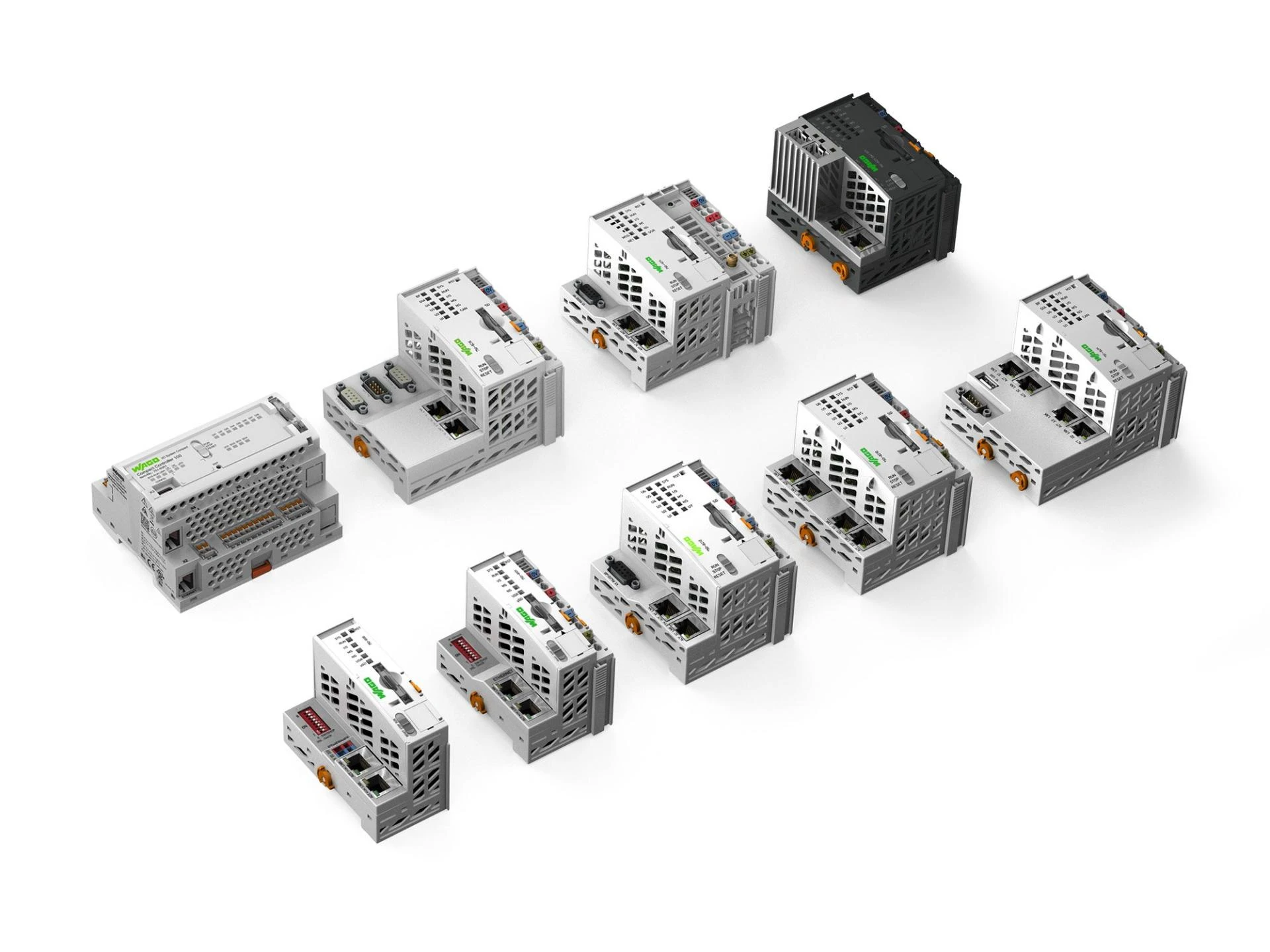

Programmable Logic Controllers (PLCs) have become the ubiquitous brain behind modern conveyor control systems, silently orchestrating the transporting parts, products, and raw materials across production lines. This article explores how PLCs optimise conveyor control in standard manufacturing environments, delving into features like programmable speed control, sequencing operations, and sensor integration for a truly efficient material handling system.
The Power Of Programmable Speed Control
One of the most fundamental advantages PLCs offer in conveyor control is the ability to precisely regulate the speed of the conveyor belt. Unlike traditional relay-based systems with limited speed options, PLCs can be programmed to adjust belt velocity dynamically based on specific production needs. This programmability allows for:
- Maintaining Product Integrity
For delicate items or those susceptible to damage at high speeds, PLCs can ensure gentle transport by lowering conveyor speed. Conversely, the belt speed can be increased for faster processing of bulkier or less fragile materials.
- Optimising Production Flow
PLCs can synchronise the speed of conveyors with the production line\'s overall pace. This prevents bottlenecks by ensuring materials arrive at workstations just in time for the next processing step, eliminating unnecessary buffer zones and maximising production throughput.
- Energy Efficiency
PLCs can significantly reduce energy consumption by intelligently adjusting conveyor speed based on product load. Empty conveyors can run slower, minimising unnecessary motor strain and lowering overall energy expenditure.
Sequencing Operations For A Smooth Flow
The true magic of PLCs unfolds in their ability to manage complex sequences of operations. Within a conveyor system, this feature translates to:
- Multi-Stage Conveyor Networks
Programmable Logic Controllers can control conveyor direction, allowing efficient material routing within a multi-layered network. This becomes crucial in facilities with intricate layouts where materials must be diverted or merged onto different conveyor lines at specific points.
- Diverting And Sorting
PLCs can be programmed to automatically sort and separate materials based on pre-defined criteria by integrating with sorting mechanisms like gates or diverters. This could involve sorting by product type, colour, size, or any other relevant attribute, streamlining downstream processes.
- Synchronised Buffering
PLCs can manage the activation and deactivation of buffer zones and temporary material holding areas. This allows for buffering when production lines experience temporary slowdowns, preventing congestion and maintaining a smooth material flow throughout the system.
Integrating Sensors For Informed Decisions
PLCs become even more powerful when coupled with various sensor technologies. Sensors act as the eyes and ears of the conveyor control system, providing real-time data on various aspects of material handling. PLCs can then utilise this data to make informed decisions and optimise operations further. Here are some key examples:
- Presence And Position Sensors
Photoelectric or weight sensors can detect the presence and position of materials on the conveyor. This data allows PLCs to precisely control material flow, ensuring proper spacing between items and preventing collisions.
- Inventory Management
Integrating with bar code scanners or RFID tags, PLCs can track and manage inventory levels in real-time. This allows for just-in-time material delivery, minimising unnecessary storage and optimising space utilisation.
- Fault Detection And Diagnostics
Sensors can detect abnormalities like belt slippage or motor overload. These sensors can trigger alarms or initiate preventative maintenance measures by interfacing with PLCs, minimising downtime and ensuring smooth operation.
Beyond Efficiency: The Broader Benefits Of PLC-Controlled Conveyor Systems
The advantages of utilising PLCs extend far beyond optimising efficiency and production throughput. Some key benefits include:
- Enhanced Safety
In case of equipment malfunction, PLCs can be programmed to incorporate safety features, such as emergency stop buttons or automatic shut-off mechanisms. This significantly reduces the risk of accidents on the production floor.
- Improved Flexibility
The modular nature of PLC programming allows for easy modification of control logic as production needs evolve. This adaptability ensures the conveyor system can readily accommodate changes in product types, production lines, or future expansion plans.
Final Thoughts
Programmable Logic Controllers are not merely sophisticated control systems; they are the silent conductors behind the efficient flow of materials in modern manufacturing environments. From programmable speed control and complex sequencing to sensor integration and real-time data processing, PLCs offer a comprehensive suite of features that optimise material handling and streamline production processes.

























Sign in to leave a comment.