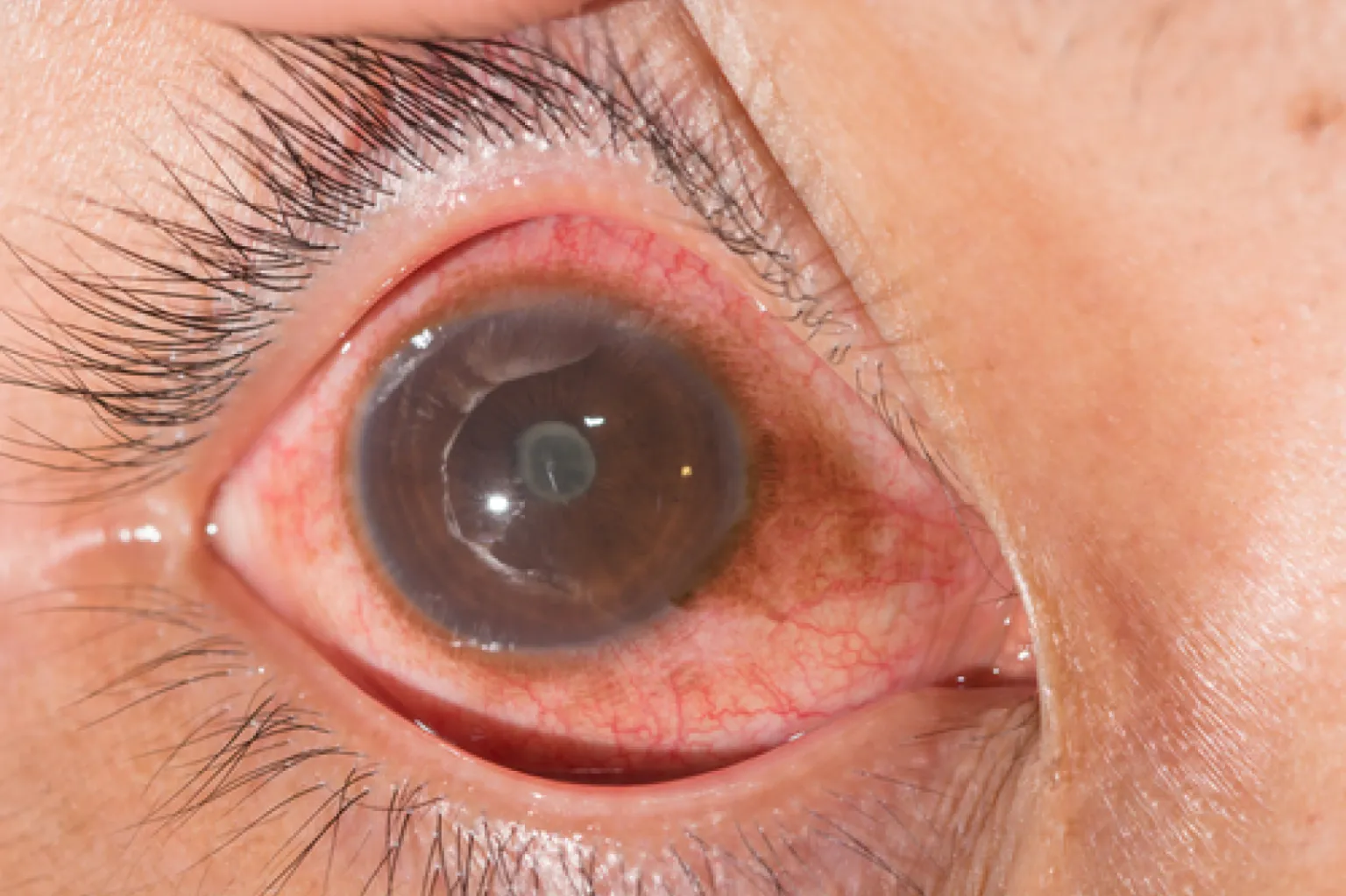

Most eye problems build slowly. Uveitis does not always follow those rules. It can flare up fast, hit hard, and leave permanent damage if nobody catches it in time. Recognising the signs early and getting proper uveitis eye treatment is not optional—it is the only thing standing between manageable inflammation and serious vision loss.
What Is Uveitis and Why Should You Take It Seriously
Uveitis is inflammation inside the eye, specifically in the uvea, the middle layer that keeps everything running. It is not as well-known as glaucoma or cataracts, but it is just as dangerous when left alone. Doctors take it seriously because the eye has very little tolerance for ongoing inflammation.
The Role of Uvea in Your Eye Health
The uvea includes the iris, ciliary body, and choroid—supplying blood to the retina and keeping vision stable. When any part becomes inflamed, the entire eye feels it.
How Uveitis Develops and Who Is at Risk
Sometimes it follows an infection—viral, bacterial, or fungal. Other times, it links to autoimmune conditions like rheumatoid arthritis or lupus. In some cases, no clear cause is ever found.
Why Delaying Treatment Can Cost You Your Vision
Inflammation, left unchecked, attacks the retina, optic nerve, and lens. Glaucoma, cataracts, and retinal damage are all documented complications. However, without uveitis eye treatment, the damage runs deeper daily.
Signs Your Eyes Are Telling You to See a Doctor Now
Most people dismiss early uveitis as tiredness or screen strain. These signs look different — and knowing them changes everything.
Redness and Eye Pain That Won't Go Away
Persistent redness beyond a day or two, combined with dull aching pain that ignores standard drops — that is not conjunctivitis. Anterior uveitis treatment becomes urgent the moment this combination appears.
Blurred Vision, Floaters, and Light Sensitivity
Sudden floaters, unexplained blur, and strong light sensitivity together are a red flag. These symptoms often point to deeper inflammation—posterior uveitis treatment is what addresses that specifically.
When These Signs Turn into an Emergency
Symptoms like complete light sensitivity, a dramatic vision drop, or sudden severe pain should be acknowledged the same day. Even a few hours of delay can lead to irreversible damage.
What Happens When You Actually Go for Uveitis Eye Treatment
Most people walk in not knowing what to expect. The examination takes time, and the questions are detailed. Rushing for treatment may cause problems later.
How Doctors Diagnose the Type and Severity
Slit-lamp examination, fundus imaging, and blood tests all come into play. Getting the diagnosis right determines everything that follows.
Medicines, Injections, and Eye Drops — Non-Surgical Route
Corticosteroid drops handle mild cases. Severe inflammation needs injections or oral immunosuppressants. Early treatment almost always produces better outcomes.
When Surgery Like Vitrectomy Becomes Necessary
When vitreous clouding or retinal complications develop, vitrectomy removes the affected gel and gives the eye space to heal properly. It is not the first option anyone reaches for, but when simpler treatments stop working, it genuinely makes a difference
Life After Treatment — Recovery and Preventing It from Coming Back
Uveitis returns in many cases—especially autoimmune-related ones. Consistent follow-ups and staying on prescribed medication keep recurrences shorter and less damaging.
Conclusion
Uveitis rewards those who act fast and punishes those who wait. Redness, pain, floaters, light sensitivity — none of these should be brushed off as nothing. The right specialist at the right time changes the outcome entirely.




























Sign in to leave a comment.