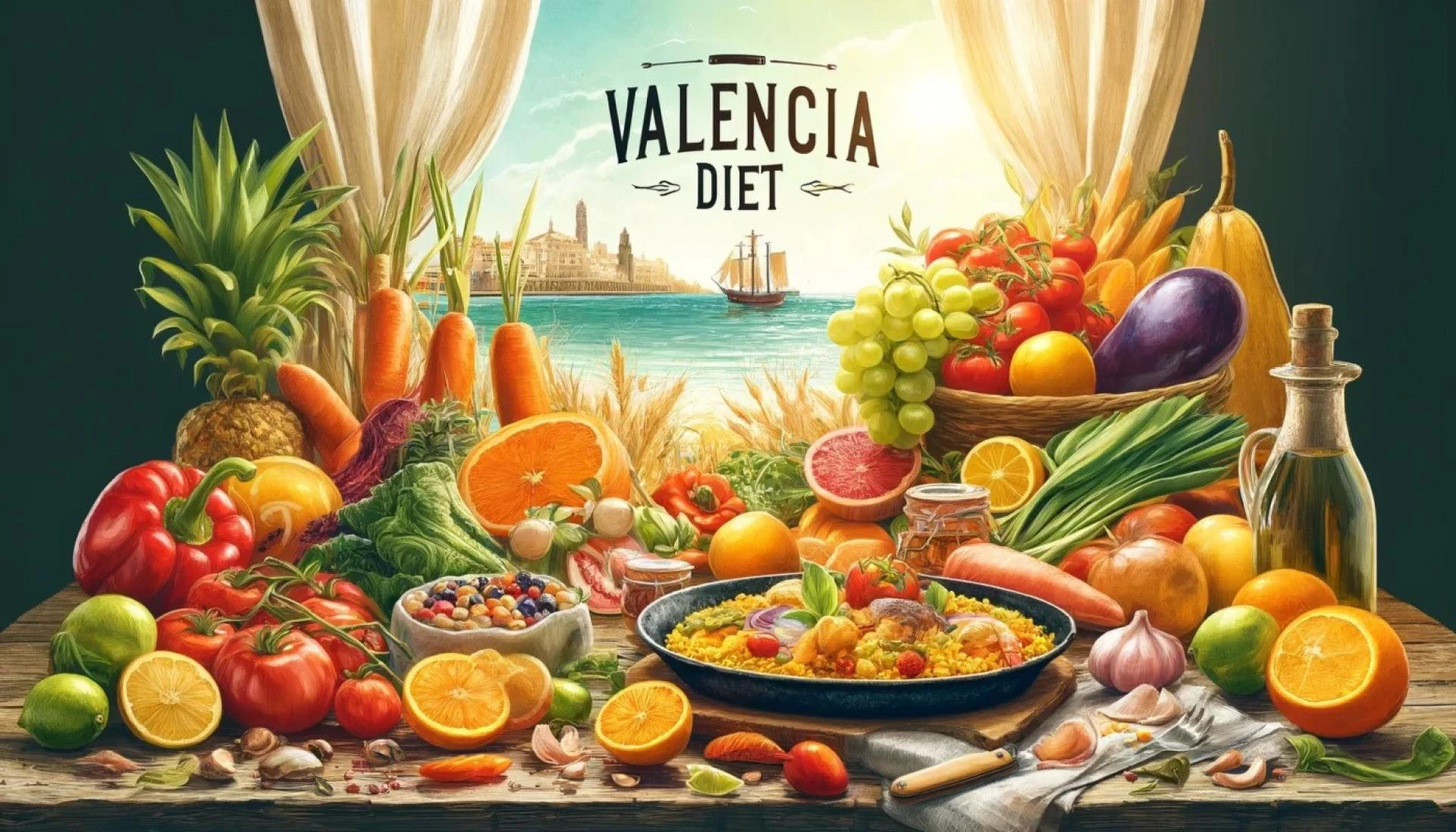

In the realm of heart-healthy diets, the Valencia Diet stands out as a flavorful and balanced approach to nutrition. Originating from the eastern coast of Spain, the Valencia Diet combines the richness of Mediterranean culinary traditions with a focus on fresh, seasonal ingredients. Let’s dive into the essence of the Valencia Diet, its health benefits, and how you can incorporate it into your lifestyle.
The Essence of the Valencia Diet
The Valencia Diet is a celebration of fresh, wholesome foods. It emphasizes the consumption of:
- Fruits and Vegetables: Seasonal produce forms the backbone of this diet, offering a vibrant array of vitamins, minerals, and antioxidants. Think of juicy oranges, ripe tomatoes, and leafy greens.
- Whole Grains: Brown rice, quinoa, and whole wheat bread are staples, providing essential fiber and nutrients.
- Legumes and Nuts: Beans, lentils, almonds, and walnuts contribute protein, healthy fats, and a satisfying crunch to meals.
- Olive Oil: A cornerstone of the diet, olive oil is rich in monounsaturated fats, which are known to support heart health.
- Fish and Seafood: The proximity to the Mediterranean Sea means fish and seafood are abundant, offering lean protein and omega-3 fatty acids.
- Moderate Poultry and Dairy: While fish is the primary protein source, poultry and dairy products are enjoyed in moderation.
- Limited Red Meat and Sweets: These are reserved for special occasions, aligning with the diet’s emphasis on moderation.
Health Benefits of the Valencia Diet
The Valencia Diet aligns closely with the dietary recommendations of the American Heart Association (AHA). Here’s how it supports heart health:
- Rich in Nutrients: With its emphasis on fruits, vegetables, and whole grains, the Valencia Diet is packed with essential vitamins, minerals, and antioxidants that support overall health and well-being.
- Heart-Healthy Fats: The use of olive oil and nuts ensures a good intake of monounsaturated fats, which help lower bad cholesterol (LDL) and raise good cholesterol (HDL).
- Lean Proteins: The diet’s focus on fish and seafood provides lean protein sources rich in omega-3 fatty acids, known for their anti-inflammatory properties and heart health benefits.
- Balanced Blood Sugar: Whole grains and legumes contribute to stable blood sugar levels, reducing the risk of diabetes and supporting sustained energy levels.
- Overall Wellness: The Valencia Diet’s holistic approach encourages not just healthy eating, but also an active lifestyle and social engagement, all of which are crucial for long-term health.
Incorporating the Valencia Diet into Your Life
Transitioning to the Valencia Diet is both enjoyable and sustainable. Here are some tips to get you started:
- Shop Seasonally: Visit local farmers’ markets to find fresh, seasonal produce. This not only supports local agriculture but also ensures you’re getting the most nutritious options.
- Cook with Olive Oil: Replace butter and other cooking oils with olive oil. Its rich flavor enhances dishes while providing heart-healthy fats.
- Embrace Seafood: Incorporate fish and seafood into your weekly meal plan. Aim for at least two servings per week, opting for varieties rich in omega-3s like salmon, mackerel, and sardines.
- Explore Whole Grains: Swap refined grains for whole grains. Experiment with dishes featuring quinoa, barley, and whole wheat pasta.
- Snack on Nuts and Seeds: Keep almonds, walnuts, and sunflower seeds on hand for a nutritious and satisfying snack.
- Enjoy Moderation: While it’s okay to indulge occasionally, keep red meat and sweets to a minimum. Focus on the abundance of flavors and textures offered by the diet’s core components.
Conclusion
The Valencia Diet is more than just a way of eating; it’s a lifestyle that promotes heart health, balance, and enjoyment of food. By embracing the principles of this diet, you can embark on a delicious journey towards better health, all while savoring the rich culinary traditions of Valencia. Start today, and discover the vibrant flavors and numerous benefits of the Valencia Diet.



























Sign in to leave a comment.