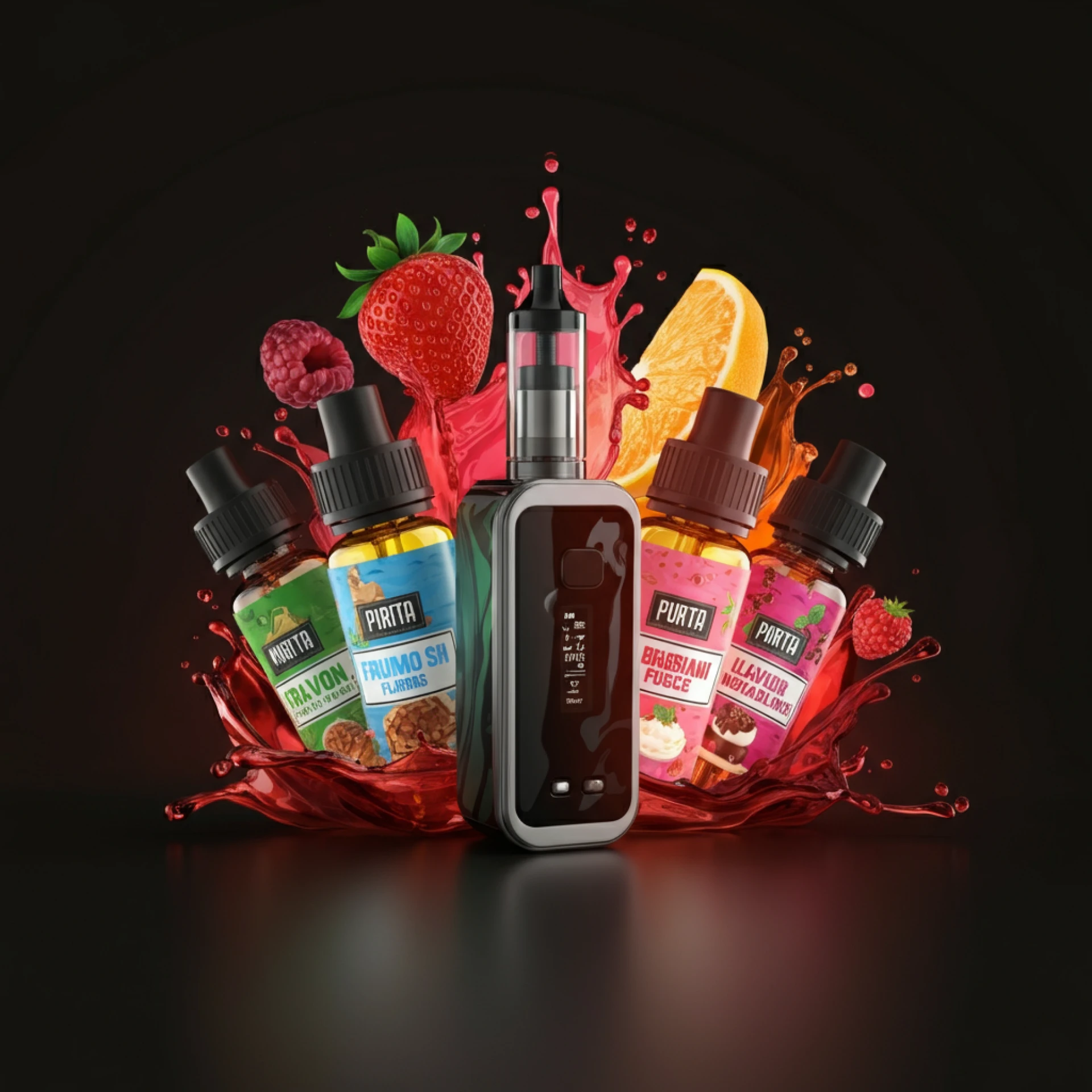
Vaping has moved from being a small trend to a global topic that sparks constant discussion. As we head toward 2026, people are asking what’s next for the world of vapes. Will the technology evolve? Will new rules reshape how people use them? And how are users adapting to this fast-moving scene? This post takes a realistic look at vaping today and what the near future could hold, with a focus on trends, safety, and the growing connection between tech and lifestyle.
The Rise and Reach of Vaping
In just over a decade, vaping has gone from an underground alternative to smoking to a mainstream product found in almost every city around the world. Its appeal lies mainly in its convenience, variety, and the growing perception that it’s a less harmful option compared to traditional cigarettes.
Brands have played a major role in this shift, especially those investing in design and technology. For instance, OLIT Vape has gained attention for focusing on efficient nicotine delivery and longer-lasting devices. Such innovations show how vaping is becoming more tech-driven than ever.
As 2026 approaches, one thing is clear — the industry is expanding, but it’s also maturing. This means new rules, smarter products, and more informed users who want to understand exactly what they’re inhaling.
How Vaping Technology Is Changing
The vaping devices we see today are not what they were five years ago. They’ve evolved through continuous improvements in battery life, airflow systems, and e-liquid formulas. These changes are not just about appearance or comfort; they aim to make vaping more consistent and customizable.
Some key areas of innovation include:
- Battery efficiency: Modern devices are moving toward faster charging and longer use times, addressing one of the biggest user complaints.
- Smart sensors: Certain models now regulate vapor output automatically, reducing dry hits and improving the experience.
- Health tracking features: A few prototypes under testing can connect to smartphone apps to track usage habits.
- Sustainable materials: Manufacturers are experimenting with recyclable components to respond to environmental concerns.
These shifts suggest that vaping in 2026 won’t just be about flavor or nicotine strength — it will be about smarter, more responsible consumption.
Regulations and Health Conversations
Vaping has always been closely tied to regulation and health debates. Many countries are introducing tighter rules on marketing, flavor availability, and nicotine levels. These efforts are driven by concerns about youth use and long-term health effects.
Health experts continue to study vaping’s impact compared to smoking. Current research points out that while vaping eliminates many of the harmful chemicals from cigarette smoke, it is not entirely risk-free. The main advice from health organizations remains: non-smokers should avoid starting, and existing users should stay informed about what they consume.
In 2026, regulations are expected to become more standardized worldwide. Governments are focusing on product safety, accurate labeling, and ensuring devices meet certain manufacturing standards. This will likely lead to fewer unverified brands and more trust among consumers who choose to vape responsibly.
The Social Side of Vaping
Beyond the technology and health debates, vaping has grown into a social habit — and even a culture. Vape lounges, online communities, and brand events have become places where users share preferences, compare devices, and discuss the latest trends.
As 2026 approaches, social influence will remain a major factor. Many younger adults view vaping as a lifestyle statement rather than just an alternative to smoking. This cultural angle shapes how products are marketed and how users engage with them.
For example, Olit Hookalit Pro gained popularity not only for its design but also because of its presence in social media spaces and events. This connection between identity, style, and technology shows how vaping continues to evolve beyond simple function.
The next step for brands and users will likely be balancing style with safety — creating a responsible image that still appeals to individuality and personal choice.
Environmental Awareness and Vaping Waste
Another issue gaining attention is vaping waste. Disposable vapes, while convenient, create plastic and battery waste that can harm the environment. As the industry grows, this challenge will demand serious solutions.
Here are a few ways the conversation is shifting:
- Refillable systems: Reusable pods and tanks are gaining traction to reduce single-use waste.
- Battery recycling programs: Some companies are beginning to offer take-back initiatives for old devices.
- Eco-friendly packaging: Brands are switching to biodegradable or minimal packaging to cut down on plastic use.
- Consumer education: More campaigns are teaching users how to properly dispose of vape products.
By 2026, environmental responsibility may become a key factor in how customers choose their devices. Companies that combine innovation with sustainability will likely earn greater trust and loyalty.
What to Expect for Vapes in 2026
Looking ahead, the vaping landscape is expected to grow in both scale and sophistication. Users can expect new designs, cleaner ingredients, and improved safety standards. At the same time, discussions around public health and sustainability will keep shaping how people view vaping as a habit and an industry.
We can also expect these changes:
- More transparency: Clear labeling of ingredients and nicotine levels will become standard.
- Tech-driven features: Devices that sync with mobile apps or use AI for vapor control may enter the mainstream.
- Broader acceptance: With regulations stabilizing, vaping might become more integrated into public health frameworks for smoking cessation.
- Continued debate: Even as technology improves, the health and social discussions won’t go away — they’ll evolve.
The future of vaping seems tied to balance: balancing innovation with regulation, convenience with responsibility, and personal choice with public health.
Brands will continue to experiment, and new players will enter the market. One example of this ongoing development is Nexa Vape, which has been mentioned for its focus on combining efficient vapor delivery with simple design. Devices like these may set the tone for what everyday vaping looks like in 2026 and beyond.
As users become more informed and regulations mature, vaping is likely to find its steady place in modern life. Whether it’s seen as a tech gadget, a smoking alternative, or a personal lifestyle choice, the important part will be understanding it — using it thoughtfully, responsibly, and with awareness of its impact on both health and the environment.
Vaping in 2026 won’t just be about new devices or flavors. It will be about how people use technology to shape habits, how societies manage health and safety, and how industries adapt to expectations for transparency and sustainability. The conversation is ongoing, and as the world steps closer to that future, the story of vapes continues to evolve — one puff, one device, and one decision at a time.

























Sign in to leave a comment.