
Varicose Vein Treatment:
Varicose veins are more than just a cosmetic concern—they can signal underlying vein disease that affects circulation and overall comfort. These enlarged, twisted veins often appear on the legs and can cause symptoms like aching, swelling, heaviness, and even skin changes if left untreated. Fortunately, advancements in medical technology have made treating them easier, safer, and more effective than ever before.
When it comes to Varicose Vein Treatment, patients today have access to minimally invasive options that deliver excellent results without the need for major surgery. Understanding these treatments can help you make informed decisions and take the first step toward healthier veins.
What Are Varicose Veins?
Varicose veins develop when the valves inside your veins weaken or become damaged. Normally, these valves keep blood flowing in one direction—back toward the heart. When they fail, blood can pool in the veins, causing them to enlarge and become visible under the skin.
They commonly occur in the legs because standing and walking increase pressure in the lower body veins. While some people experience only mild symptoms, others may deal with discomfort that interferes with daily life.
Common Symptoms to Watch For
Varicose veins don’t always cause pain, but when they do, the symptoms can include:
- Aching or heavy legs
- Swelling in the lower legs and ankles
- Burning or throbbing sensation
- Muscle cramping, especially at night
- Itchy skin around the veins
- Skin discoloration or ulcers in severe cases
If you notice these signs, it’s important to seek medical advice early to prevent complications.
Causes and Risk Factors
Several factors can increase your risk of developing varicose veins:
- Age: Vein elasticity decreases over time
- Gender: Women are more likely due to hormonal changes
- Genetics: Family history plays a significant role
- Prolonged standing or sitting: Common in certain professions
- Obesity: Extra weight adds pressure on veins
- Pregnancy: Increased blood volume and hormonal changes
Understanding these risk factors can help you take preventive measures.
Modern Varicose Vein Treatment Options
Gone are the days when vein stripping surgery was the only solution. Today’s treatments are minimally invasive, quick, and require little to no downtime.
1. Endovenous Laser Treatment (EVLT)
This procedure uses laser energy to close off damaged veins. A thin fiber is inserted into the vein, and heat seals it shut. Blood is then naturally redirected to healthier veins.
Benefits:
- Quick procedure (under an hour)
- Minimal discomfort
- Fast recovery
2. Radiofrequency Ablation (RFA)
Similar to EVLT, this method uses radiofrequency energy instead of laser heat to treat the vein.
Advantages:
- Less post-procedure pain
- High success rate
- Outpatient procedure
3. Sclerotherapy
A special solution is injected into the affected vein, causing it to collapse and fade over time.
Best for:
- Smaller varicose veins
- Spider veins
4. Ambulatory Phlebectomy
In this technique, small incisions are made to remove superficial veins.
Ideal for:
- Larger, bulging veins close to the skin
Benefits of Early Treatment
Ignoring varicose veins can lead to complications like blood clots, ulcers, or chronic venous insufficiency. Early treatment offers several advantages:
- Improved blood circulation
- Reduced pain and swelling
- Better appearance of legs
- Prevention of serious complications
- Boost in confidence and mobility
Recovery and Aftercare
Most modern treatments require minimal recovery time. Patients are usually encouraged to:
- Walk regularly after the procedure
- Wear compression stockings
- Avoid prolonged sitting or standing
- Follow doctor’s post-care instructions
Many people return to normal activities within a day or two, making these treatments highly convenient.
Lifestyle Changes to Prevent Varicose Veins
While treatment is effective, prevention is always better. Here are some practical tips:
- Exercise regularly to improve circulation
- Maintain a healthy weight
- Elevate your legs when resting
- Avoid sitting or standing for long periods
- Wear comfortable, non-restrictive clothing
Small lifestyle adjustments can make a big difference in vein health.
Choosing the Right Specialist
Selecting a qualified vascular specialist is crucial for successful treatment. Look for:
- Board-certified physicians
- Experience in minimally invasive procedures
- Advanced imaging technology
- Positive patient reviews
A skilled provider will assess your condition and recommend the most suitable treatment plan tailored to your needs.
Final Thoughts
Varicose veins are a common yet manageable condition. With modern medical advancements, you no longer have to live with discomfort or embarrassment. Whether your concern is cosmetic or medical, effective solutions are readily available to restore both health and confidence.
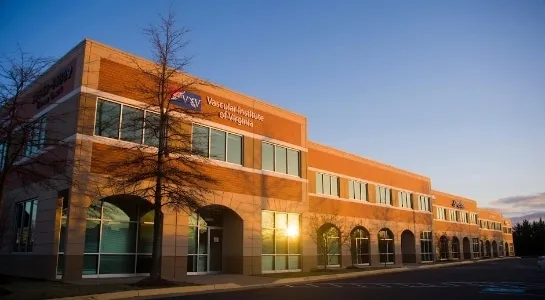
If you’re considering treatment, consulting a trusted provider like vavascularinstitute can help you explore advanced options and receive personalized care designed for long-term results.
Frequently Asked Questions (FAQs)
1. Are varicose veins dangerous?
Not always, but they can lead to complications like ulcers or blood clots if untreated. It’s best to consult a doctor early.
2. Is varicose vein treatment painful?
Most modern treatments are minimally invasive and involve little to no pain. Local anesthesia is usually used.
3. How long does recovery take?
Recovery is typically quick. Many patients return to normal activities within 24–48 hours.
4. Will varicose veins come back after treatment?
Treated veins usually don’t return, but new veins may develop over time. Maintaining a healthy lifestyle helps reduce recurrence.
5. Who is a good candidate for treatment?
Anyone experiencing symptoms like pain, swelling, or visible veins should consult a specialist to determine the best treatment option.
























Sign in to leave a comment.