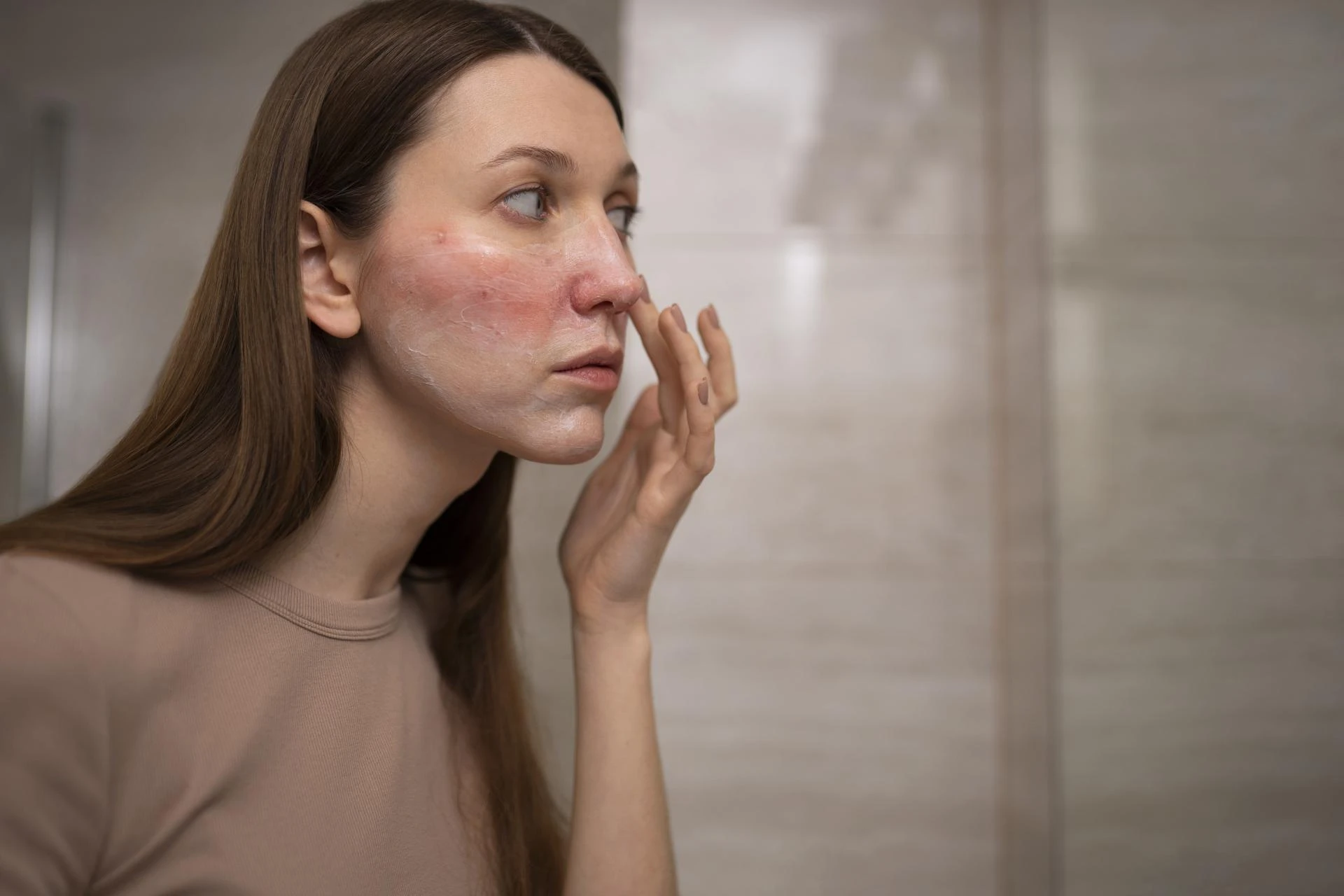

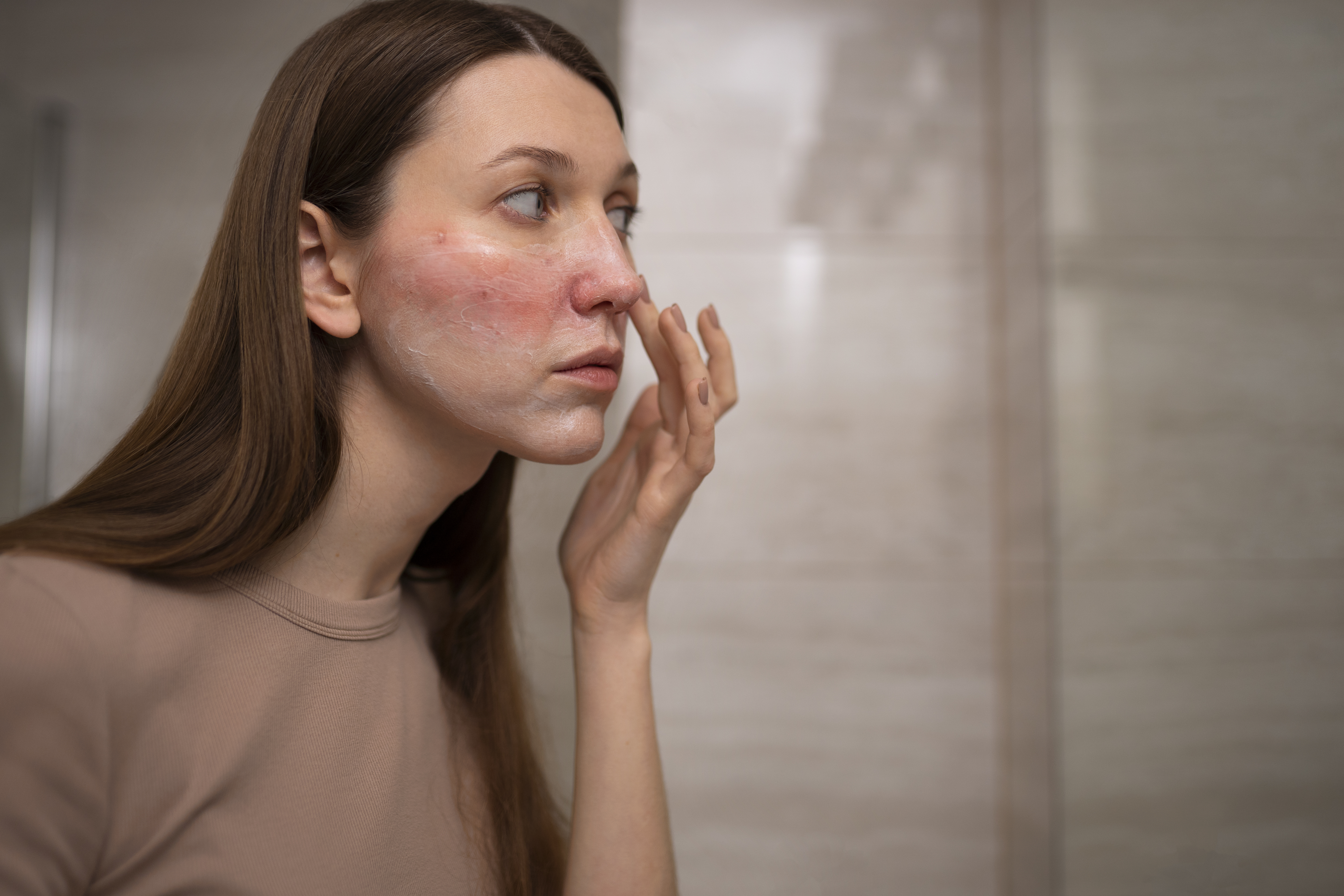
Noticing small red, purple, or bluish marks on your skin can be concerning. These visible blood vessels or clusters are commonly known as vascular lesions. They can appear on both the face and body and vary in size, shape, and color. While most vascular lesions are harmless, many people seek treatment for cosmetic reasons or discomfort.
Understanding the causes and available solutions can help you make informed decisions about your skin health.
What Are Vascular Lesions?
Vascular lesions occur when blood vessels become enlarged, damaged, or visible near the surface of the skin. They may appear as:
- Spider veins
- Broken capillaries
- Cherry angiomas (small red bumps)
- Port-wine stains
- Hemangiomas
- Rosacea-related redness
Some lesions are present from birth, while others develop over time due to environmental or lifestyle factors.
What Causes Vascular Lesions?
Several factors can contribute to the development of vascular lesions on the face and body:
1. Genetics
If family members have visible veins or red spots, you may be more likely to develop them.
2. Sun Exposure
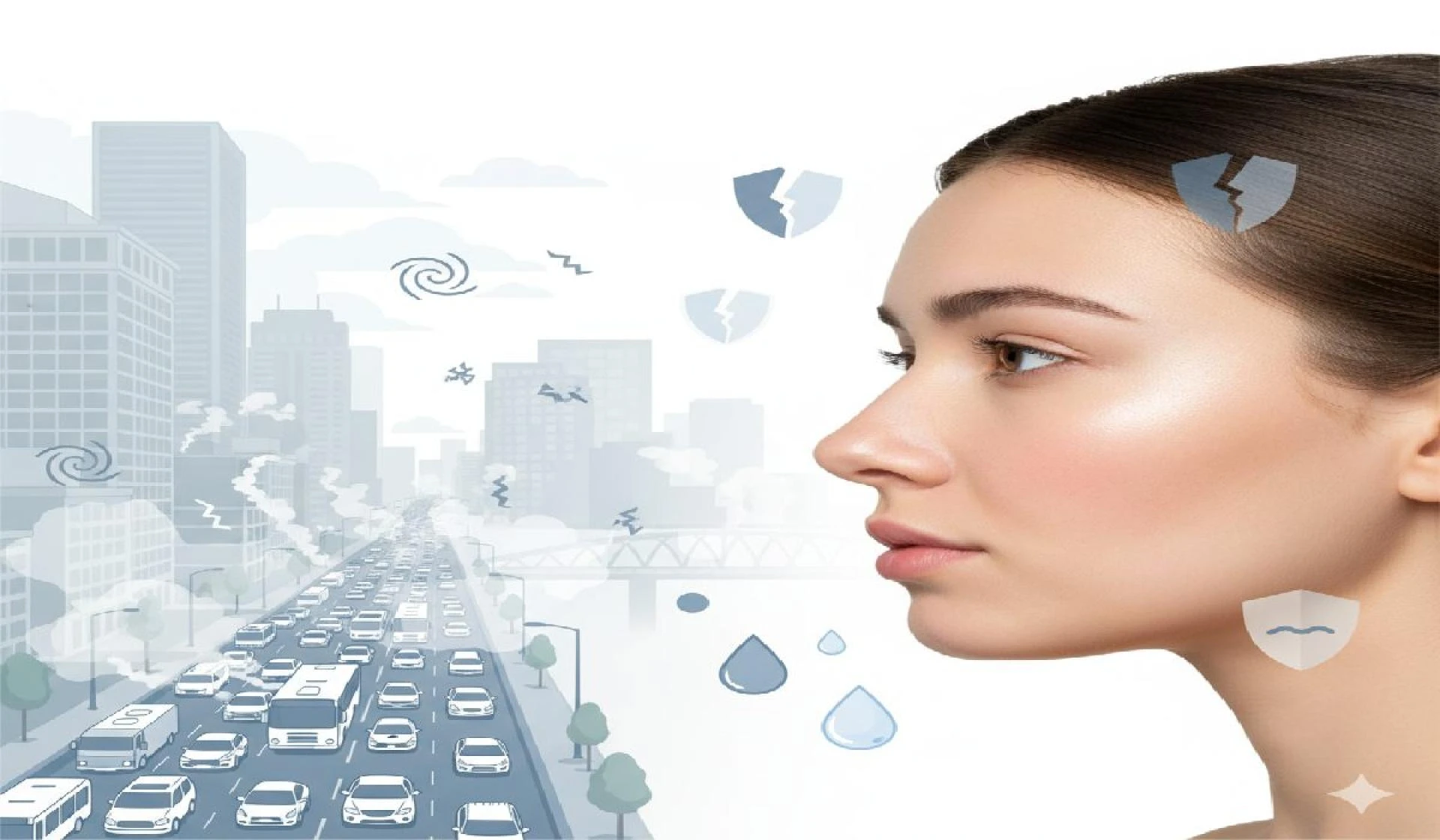
Excessive sun exposure weakens blood vessel walls and damages skin, making vessels more visible — especially on the face.
3. Aging
As skin becomes thinner with age, blood vessels are more noticeable.
4. Hormonal Changes
Pregnancy, birth control, and hormonal fluctuations can increase the likelihood of vascular changes.
5. Skin Trauma or Pressure
Injuries, harsh skincare treatments, or frequent rubbing can cause capillaries to break.
6. Medical Conditions
Conditions like rosacea can cause persistent redness and visible blood vessels.
When Should You Consider Treatment?
Most vascular lesions are not dangerous. However, treatment may be recommended if:
- The lesion is growing or changing
- There is pain, itching, or bleeding
- The appearance affects your confidence
- Persistent redness does not improve with skincare
A professional assessment is important to determine the type of lesion and the safest treatment option.
Modern Solutions for Vascular Lesions Treatment
Today, advanced non-surgical treatments offer effective results with minimal downtime.
1. Laser Therapy
Laser treatment is one of the most common solutions. It works by targeting the blood vessels with focused light energy, causing them to collapse and gradually fade. Surrounding skin remains unharmed.
Benefits:
- Precise targeting
- Minimal recovery time
- Long-lasting results
2. IPL (Intense Pulsed Light)
IPL uses broad-spectrum light to reduce redness and improve overall skin tone. It is especially helpful for larger areas of facial redness.
3. Customized Treatment Plans
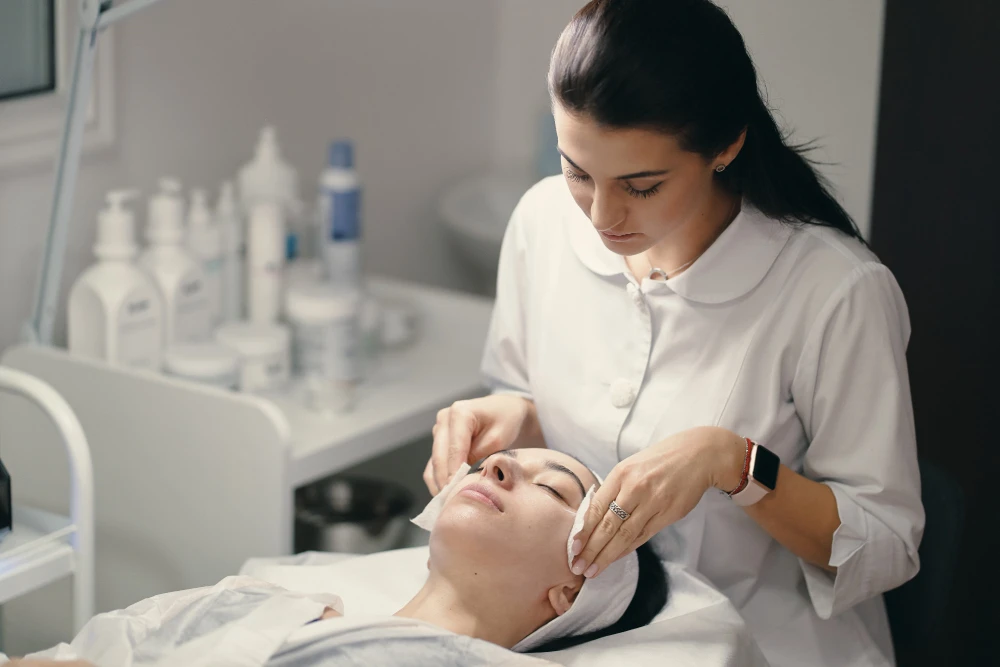
Every vascular lesion is different. Factors such as size, depth, and location determine the best approach. At AE.R Skinlab, professionals assess your skin carefully before recommending a personalized Vascular Lesions treatment plan to ensure safety and effectiveness.
What to Expect During Treatment
Most procedures are quick and relatively comfortable. You may feel a mild warming or snapping sensation during laser or IPL sessions. After treatment, slight redness or swelling can occur but usually subsides within a few hours to days.
Multiple sessions may be required depending on the severity of the lesion.
Can Vascular Lesions Be Prevented?
While not all vascular lesions can be prevented, you can reduce your risk by:
- Wearing sunscreen daily
- Avoiding excessive sun exposure
- Using gentle skincare products
- Managing rosacea triggers
- Maintaining overall skin health
Healthy habits combined with professional care can significantly improve your skin’s appearance.
FAQs
Q1. Are vascular lesions dangerous?
Most vascular lesions are harmless. However, any sudden changes in size, color, or shape should be evaluated by a professional.
Q2. Is Vascular Lesions treatment painful?
Most treatments cause minimal discomfort. Many patients describe the sensation as mild and temporary.
Q3. How many sessions will I need?
Small lesions may improve after one or two sessions, while larger areas may require multiple treatments.
Q4. Is there downtime after treatment?
Downtime is usually minimal. Mild redness or swelling may occur but typically resolves quickly.
Q5. Can vascular lesions come back?
Treated vessels usually do not return, but new ones can develop over time due to genetics or sun exposure.























Sign in to leave a comment.