
A bright, confident smile is one of the first things people notice. But what happens when chipped, stained, or misaligned teeth make you hesitant to smile freely? Modern dentistry offers two effective solutions: veneers and dental bonding. Both treatments aim to enhance your teeth’s appearance, but understanding the differences is key to making the right choice. If you’re wondering “veneer or bonding,” this guide will help you make an informed decision.
What is Dental Bonding?
Dental bonding is a cosmetic procedure that uses a tooth-colored resin material to repair and improve the appearance of teeth. It is a quick and minimally invasive solution for minor dental imperfections.
Benefits of Dental Bonding:
- Quick Procedure: Most bonding treatments are completed in one visit.
- Cost-Effective: Bonding is generally more affordable than veneers.
- Versatility: It can fix chips, gaps, and minor discoloration.
- Minimally Invasive: Little to no tooth structure is removed.
Ideal Candidates for Dental Bonding
Dental bonding works best for patients with minor cosmetic concerns, such as:
- Small chips or cracks in teeth
- Slight gaps between teeth
- Mild discoloration
- Short or uneven teeth
How Dental Bonding Works
The dentist applies a composite resin to the affected tooth, carefully sculpting it to match your natural tooth shape. Once shaped, a special light hardens the material, and the surface is polished for a natural look.
Longevity of Bonding
Bonding typically lasts 3–10 years, depending on oral care and lifestyle habits. While it’s durable, bonding is more prone to staining and chipping compared to veneers.
What are Veneers?
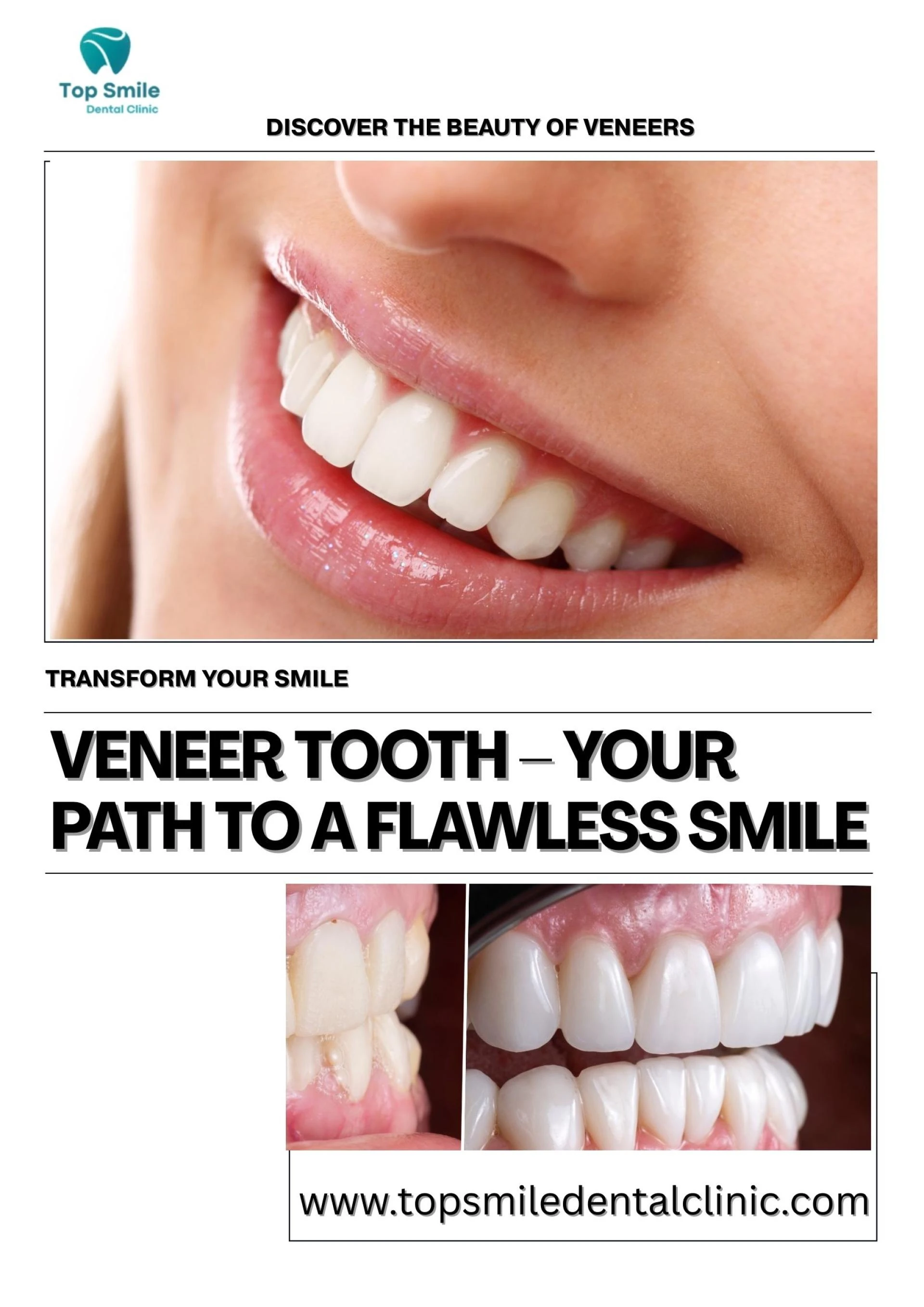
Veneers are thin shells made of porcelain or composite resin that are custom-made to fit over the front surface of your teeth. They provide a more permanent solution for aesthetic dental issues.
Benefits of Veneers:
- Natural Appearance: Porcelain veneers closely mimic the look of natural teeth.
- Stain-Resistant: Porcelain veneers resist staining from coffee, tea, and smoking.
- Durable: With proper care, veneers can last 10–20 years.
- Correct Multiple Issues: They can fix discoloration, chips, gaps, and mild misalignment.
Ideal Candidates for Veneers
Veneers are suitable for patients seeking a long-lasting smile transformation. Ideal cases include:
- Severely discolored or stained teeth
- Worn-down or chipped teeth
- Slightly misaligned teeth
- Patients looking for a full smile makeover
How Veneers Work
The dentist removes a thin layer of enamel from your teeth to make space for the veneer. Impressions are taken and sent to a lab to create custom veneers. Once ready, the veneers are bonded to your teeth using a strong adhesive.
Veneer or Bonding: Key Differences
When deciding between veneer or bonding, consider the following differences:
Feature
Dental Bonding
Veneers
Procedure Time
Usually 1 visit
Multiple visits required
Cost
More affordable
Higher investment
Durability
3–10 years
10–20 years
Appearance
Natural but may stain
Highly natural, stain-resistant
Tooth Preparation
Minimal or none
Requires enamel removal
Repairs
Easy to repair
More difficult to repair if damaged
Factors to Consider Before Choosing
Choosing between veneers and bonding depends on your dental needs, budget, and long-term goals.
1. Extent of Dental Damage
If your teeth have minor imperfections, bonding is a quick fix. For significant discoloration or structural issues, veneers provide a more comprehensive solution.
2. Budget
Dental bonding is cost-effective and suitable for small corrections. Veneers are a higher investment but provide long-lasting results and a more polished appearance.
3. Longevity and Maintenance
Bonding may require touch-ups every few years, while veneers can last decades with proper care. Consider your commitment to oral hygiene and maintenance.
4. Desired Aesthetic
For a subtle enhancement, bonding works well. For a Hollywood-style, flawless smile, veneers are often preferred due to their superior natural look and stain resistance.
Caring for Your Dental Enhancements
Proper care is essential to extend the lifespan of veneers or bonding.
- Brush and floss daily
- Avoid biting hard foods directly on the treated teeth
- Limit staining foods and beverages
- Visit your dentist regularly for check-ups
Which One Should You Choose?
The answer to “veneer or bonding” ultimately depends on your smile goals:
- Choose Dental Bonding if:
- You need a quick, affordable fix
- The imperfections are minor
- You prefer a minimally invasive procedure
- Choose Veneers if:
- You want a long-lasting, natural look
- You’re dealing with multiple cosmetic issues
- You’re planning a full smile makeover
Conclusion
Both dental bonding and veneers have their advantages, but the best choice depends on your specific dental needs, lifestyle, and budget. At Top Smile Dental Clinic, our experienced dentists help you decide between veneer or bonding to achieve a radiant and confident smile.
Your perfect smile is just a consultation away—let us help you shine with confidence.
To know more click here :- https://topsmiledentalclinic.com/whats-more-expensive-veneers-or-bonding/




























Sign in to leave a comment.