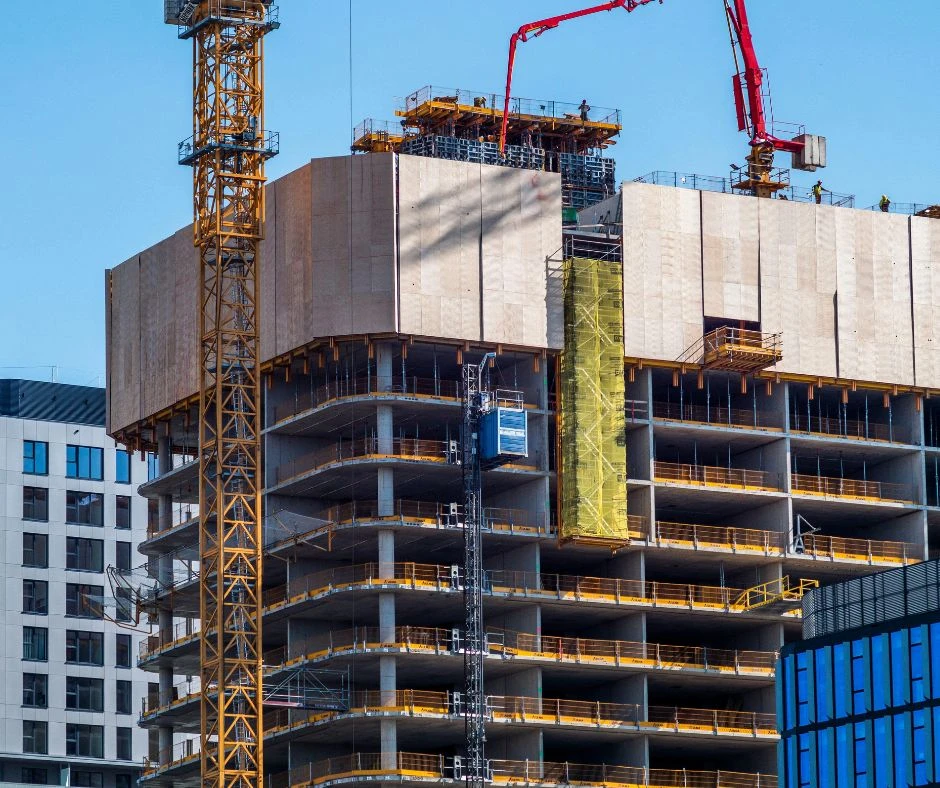

Walk into a newly completed commercial building, and everything looks perfect. Clean finishes. Solid walls. Smooth ceilings. Then the complaints start. A low hum in the meeting room. A slight vibration behind a hotel bedroom wall. Equipment noise that seems to travel further than it should.
Most of the time, the problem isn’t the finish. It’s what’s hidden inside the wall.
If vibration isn’t controlled at the structural level, it will find a path. And once the building is occupied, fixing it becomes expensive and disruptive. That’s why vibration isolation wall products need attention early in commercial projects, not after handover.
Let’s break this down properly.
Why Vibration Control Is a Serious Issue in Commercial Buildings
Commercial buildings are full of movement. Air handling units run all day. Pumps cycle on and off. Generators kick in. Lifts move constantly. Even heavy foot traffic creates measurable vibration.
That energy doesn’t stay where it starts.
It travels through steel, concrete, and wall ties. When separating walls are rigidly connected, vibration passes directly from one side to the other. Over time, this leads to structure-borne noise, reduced acoustic privacy, and frustrated occupants.
Acoustic finishes alone won’t stop this. Once vibration enters the structure, surface treatments can’t fully control it. That’s where vibration isolation wall products play a key role. They interrupt the transfer path inside the wall itself.
How Vibration Moves Through Wall Structures
It’s easy to focus only on airborne sound. But vibration behaves differently.
In cavity and partition walls, standard rigid wall ties can act like bridges. Even if insulation fills the cavity, those rigid connections allow movement to bypass the acoustic layer. This is known as flanking transmission.
So even when the wall looks compliant on paper, real-world performance can fall short.
To prevent this, you need controlled separation at connection points. Not weaker walls. Smarter connections.
That’s exactly what engineered acoustic wall products are designed to achieve.
What Are Vibration Isolation Wall Products?
Vibration isolation wall products are structural components that reduce the transfer of mechanical movement between wall elements. They’re typically used in:
- Cavity walls
- Separating walls
- Concrete interfaces
- Partition systems
Unlike standard connectors, these products absorb and reduce vibration energy while maintaining load capacity. They’re engineered to balance strength and isolation.
In commercial construction, they’re often part of wider acoustic wall systems for commercial buildings that address both airborne and structure-borne sound together.
Where Commercial Projects Most Often Go Wrong
Many projects treat vibration control as a secondary issue. The design focuses on wall thickness and insulation values, but ignores structural connection points.
That oversight shows up later in:
- Plant rooms next to office spaces
- Mixed-use buildings with retail below apartments
- Hotels with back-of-house equipment areas
- Healthcare facilities where quiet matters
By the time vibration complaints appear, walls are finished and occupied. Retrofitting becomes complicated and costly.
Introducing vibration isolation wall products during early specification avoids that cycle completely.
Key Applications in Commercial Environments
Plant and Mechanical Areas
Fans, compressors, pumps, and generators create continuous movement. If adjacent walls are rigidly tied, vibration spreads beyond the equipment room.
Installing acoustic wall products with isolation properties reduces this transfer at the connection stage.
Mixed-Use Developments
Retail units, gyms, and restaurants often sit below offices or residential spaces. Without proper separation, vibration travels upward through structural walls.
Acoustic wall systems for commercial buildings help manage both load and isolation in these situations.
Marine and Heavy Industrial Settings
In marine installations and industrial facilities, vibration loads are higher and more consistent. Isolation products must handle demanding operating conditions while maintaining structural stability.
Engineered vibration isolation wall products designed around load and environment requirements are essential here.
Do Isolation Products Affect Structural Strength?
This is one of the most common concerns.
The short answer is no, when specified correctly.
Modern systems are engineered around load requirements and real operating conditions. They’re not soft inserts or weak connections. They are designed to:
- Maintain structural integrity
- Reduce vibration transfer
- Integrate into standard build processes
Instead of compromising the wall, they improve its overall performance.
When acoustic wall systems for commercial buildings are planned correctly, isolation and strength work together.
When Should You Specify Isolation Systems?
The best time is during early design.
Isolation should be considered during:
- Wall tie selection
- Concrete detailing
- Structural interface design
- Equipment layout planning
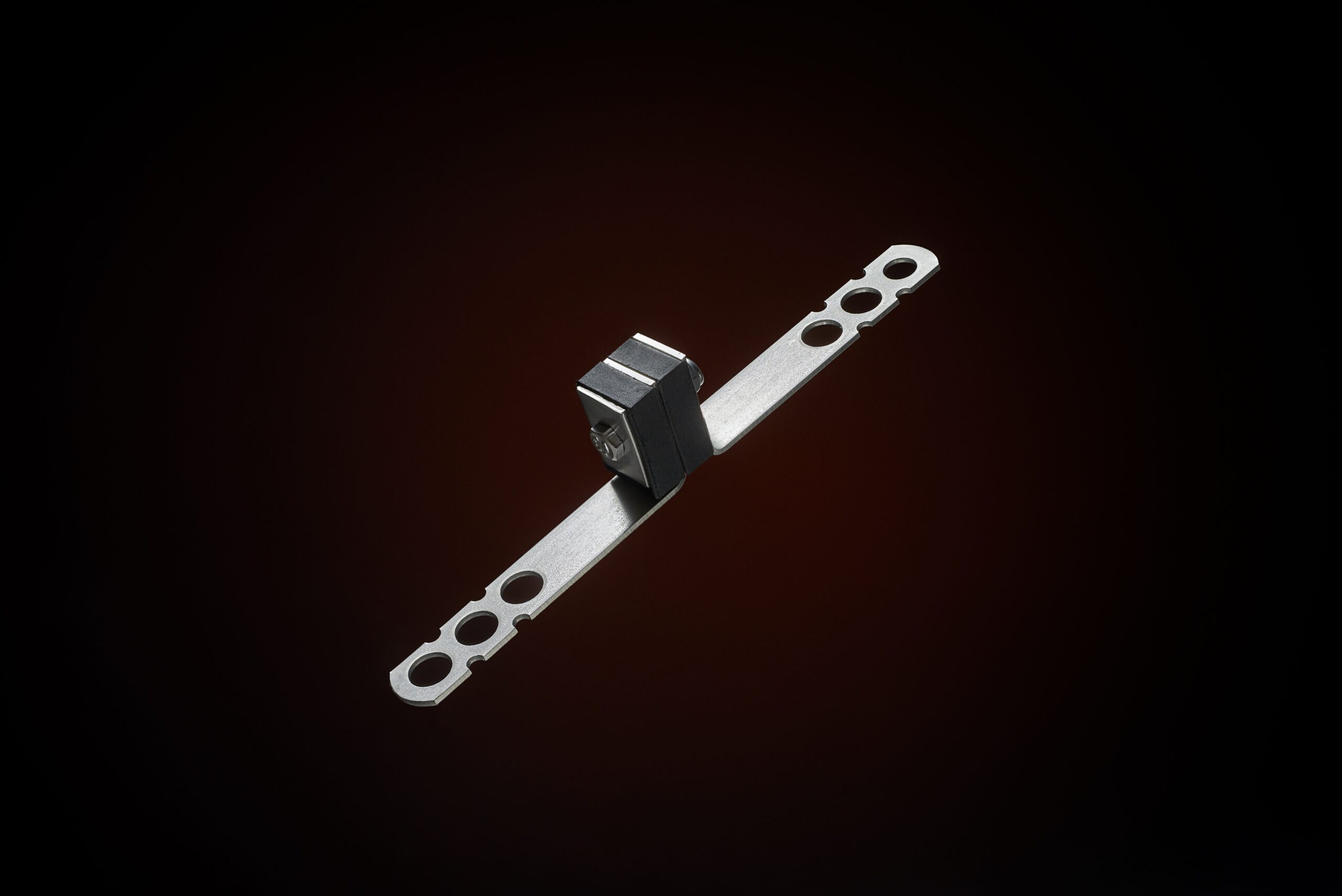
For example, acoustic wall ties installed in cavity walls reduce flanking paths before they exist. Inertia pouring frames used during concrete works prevent rigid sound bridges from forming in the first place.
These are small decisions at the design stage, but they protect long-term performance.
Waiting until the finishing phase limits your options significantly.
Long-Term Benefits Beyond Noise Reduction
While noise control is the immediate goal, there are broader advantages.
Fewer Complaints After Handover
Buildings that manage vibration properly experience fewer post-completion issues.
Stronger Compliance Confidence
Meeting acoustic performance standards becomes more predictable when vibration paths are controlled early.
Improved Occupant Experience
Tenants might not understand vibration mechanics, but they feel the difference in comfort and privacy.
Reduced Structural Stress
Managing movement reduces long-term strain at connection points.
When you look at lifecycle costs, vibration isolation wall products make practical sense.
How to Choose the Right System
Selection depends on three simple factors:
- Load requirements
- Operating conditions
- Installation environment
A lightweight office partition needs a different solution compared to a heavy industrial cavity wall. Marine environments demand more specialised systems.
That’s why engineered acoustic wall products are developed around real-world operating data. They are not generic hardware pieces. They are purpose-built for specific structural and acoustic demands.
Proper coordination among structural engineers, acoustic consultants, and contractors will make sure that the chosen vibration isolation wall products will achieve the desired result.
Final Thoughts
Vibration issues do not show themselves instantly. They grow with time and are difficult to rectify after the building is in use.
Commercial projects achieve a better acoustic performance without affecting structural integrity by specifying well-designed acoustic wall products and incorporating vibration isolation wall products in the early stages of project development. Commercial buildings have properly engineered acoustic wall systems to control sound at its source, indoors.
That strategy safeguards the building, helps to adhere to the rule, and makes the spaces used daily by people less noisy and more efficient.


























Sign in to leave a comment.