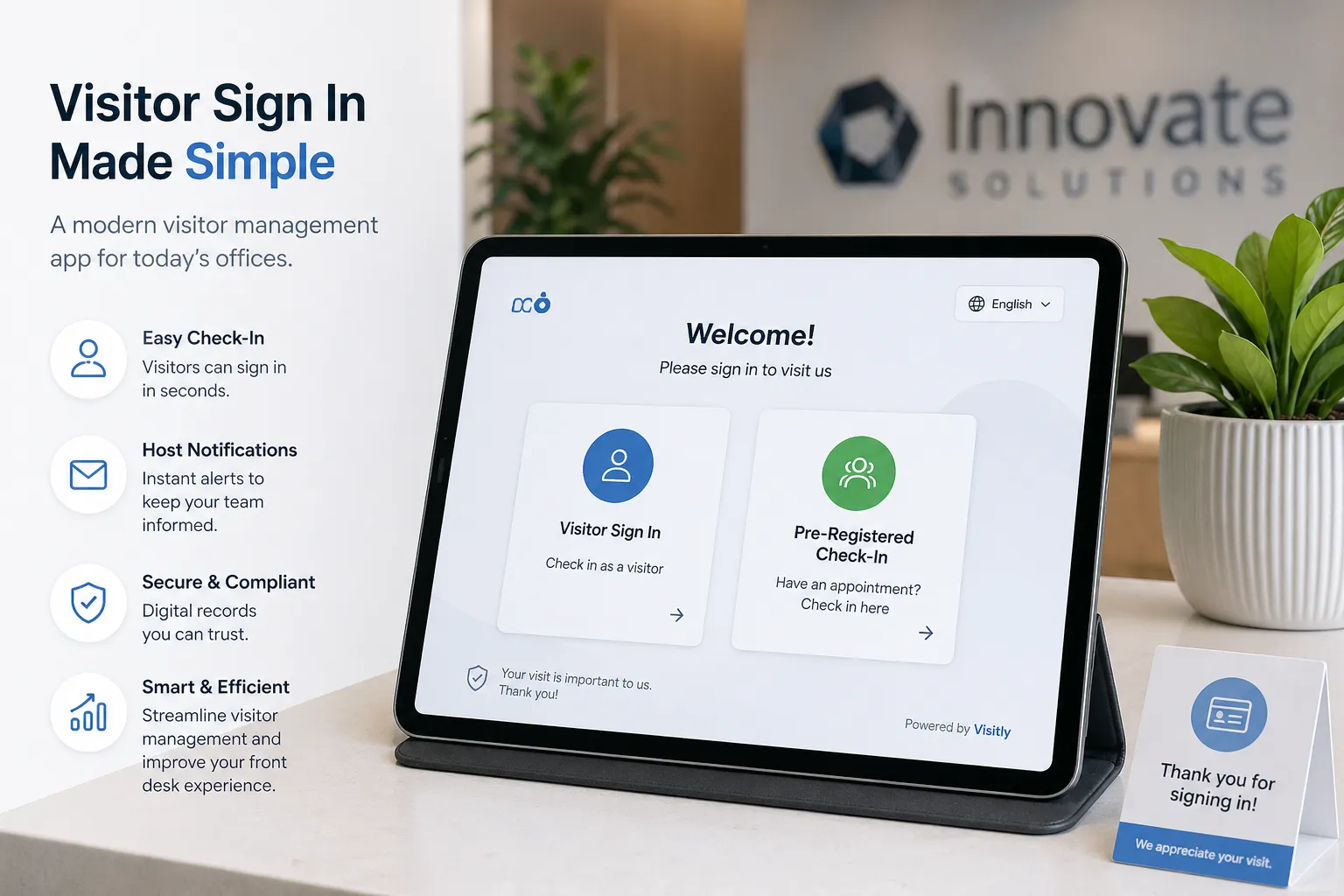

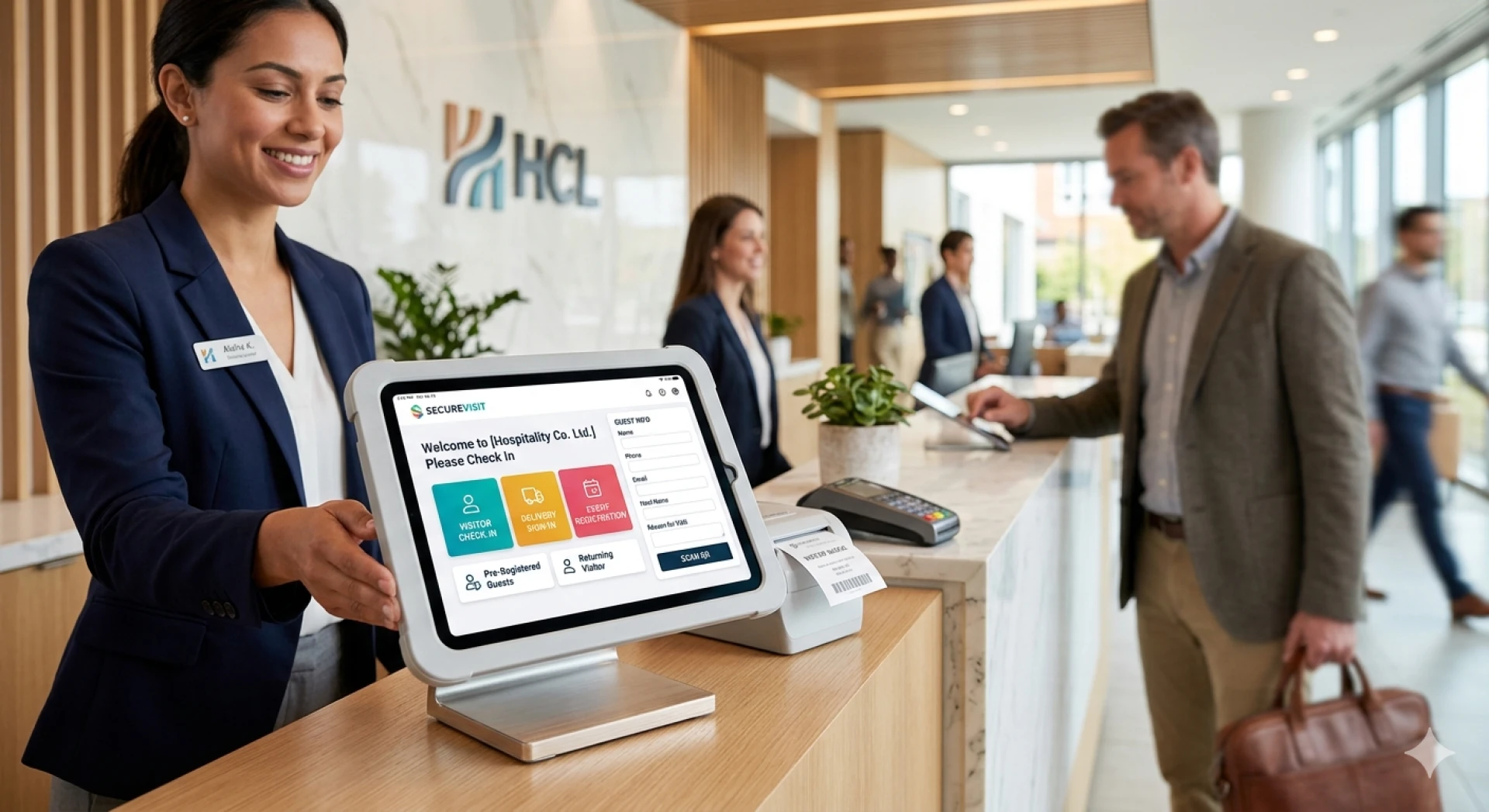
First impressions make an instant impact. For example, when your client visits you for the first time, his initial experience at the reception – waiting times, how friendly people are to him there, and ease of check-in – will form his impression of your firm without him attending any meeting yet.
But in thousands of offices around the world, the initial point of contact remains an entry book, a pen borrowed from somewhere else, and a secretary on the phone.
This is where an office visitor sign-in system comes into play.
The Real Cost of an Outdated Check-In Process
Consider how the actual paper process takes place. The visitor signs his or her name, most probably unreadable, gives absolutely nothing to the receptionist, and simply waits for someone to call upstairs to tell the host. But, in this process, one does not have any information regarding other people on campus, nor can one confirm if this person belongs there.
For a tiny office, this would seem to be no big deal. But scale that up, and you'll soon discover how much of an issue it becomes.
In addition to the problems related to security, there's a question of legality involved. Based on what industry your business operates within, having knowledge of who is on the premises can be mandatory.
What an Office Visitor Sign In App Actually Does
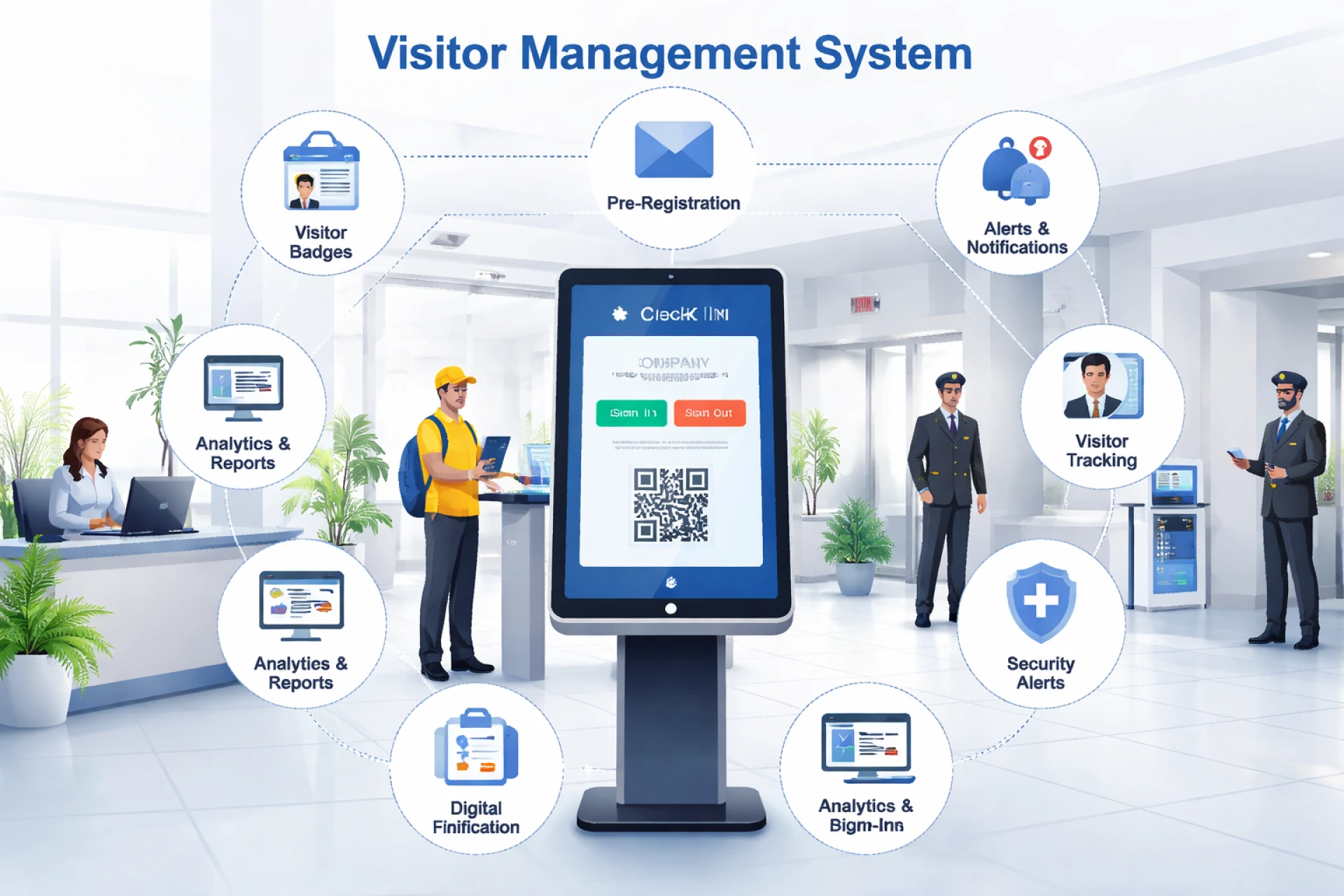
The modern visitor check-in application removes the clipboard and uses the kiosk or even mobile-based pre-checking process instead. This is how it works:
Pre-registration — The employee sends the visitor a link prior to the visit itself. The visitor provides all necessary information about himself, signs an NDA (if it is required), and gets a QR code. He scans it and gets into the building. The whole process takes less than 30 seconds.
Host's instant notification — Once a visitor checked in, the employee immediately gets an alert on his mobile device or computer.
Visitor Badge Printing — The visitor badge is printed instantly, complete with the visitor’s name, photograph, host name, and time of entry. Anybody on the premises knows right away whether someone belongs there or not.
Watchlist Screening — With advanced enterprise solutions, the visitor’s name can be checked against the company’s blocklists instantly to ensure that only safe individuals gain access.
Companies such as Unilever and Siemens have implemented digital visitor management in their worldwide offices simply due to the fact that existing manual procedures could not cope with high volumes of visitors.
Inside the Building — Who's Really There?
Visitor management doesn’t end at the entrance gate. Employee check-in software applies the same reasoning to your employees, knowing who’s present in the office at any time, vital information when managing a hybrid team.
In case of a sudden evacuation, the facility manager needs an accurate count within seconds. In case a subcontractor enters a restricted area, there must be documentation.
If HR needs to determine how offices are used, that information is available.
WeWork incorporated an employee sign-in application in all its facilities to help control hybrid occupancy, providing facility managers with insight into which floors had people occupying space and allowing members to reserve desks based on availability.
The Bottom Line
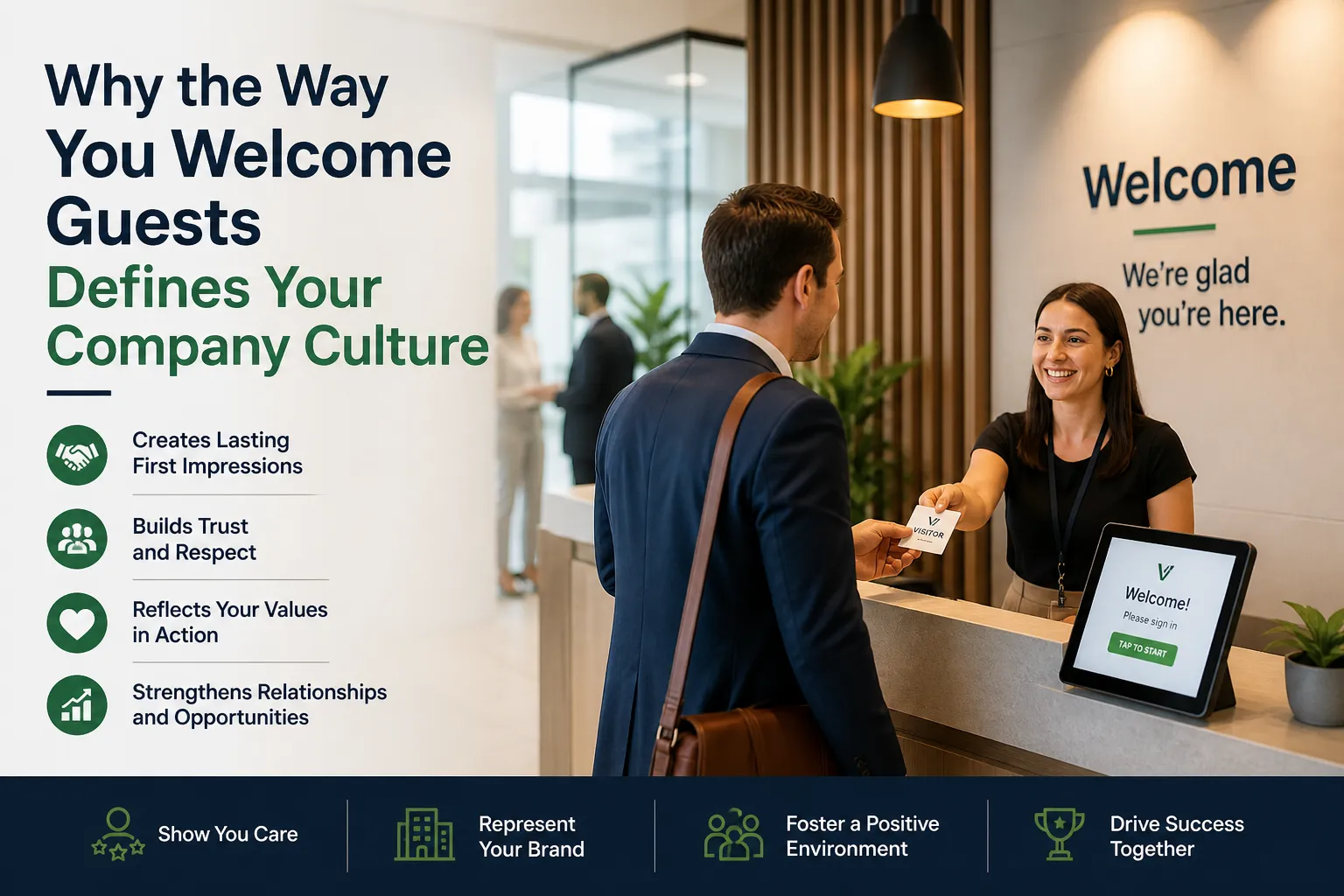
An office is much more than just where employees work – it says a lot about the type of company you are. When people enter your space via a messy manual sign-in system, they get one message.
A modern office visitor management system together with a check-in system for employees sends another message – that your company cares about security and respects people’s time.
In 2026, such systems will be no longer seen as an option. They’ll be expected.
























Sign in to leave a comment.