
In a digital-first India, every business — from fintech startups to e-commerce giants — depends on one critical process: user verification.
Whether it’s logging in, completing a payment, or verifying a new account, one-time passwords (OTPs) form the foundation of digital trust.
For years, SMS OTPs were the default choice. But with fluctuating delivery rates and increasing customer expectations, businesses are now moving toward a more dependable and accessible solution — the Voice OTP Service.
What Is a Voice OTP Service?
A Voice OTP Service delivers the one-time password via automated voice calls instead of SMS or email.
The user receives an instant call, hears the OTP through an automated system, and enters it for verification — all in seconds.
This approach is not only faster but also more reliable, especially in areas where mobile data or SMS delivery is inconsistent.
Why India Needs Voice OTPs in 2025
India’s digital transformation has brought millions online — across cities, small towns, and rural areas.
However, the country’s diverse mobile infrastructure means that SMS delivery isn’t always guaranteed.
Network congestion, DLT restrictions, and inconsistent carrier routing can delay or block messages.
Voice OTPs solve this problem by using direct voice calls that reach users regardless of their network type or SMS preferences (including DND-activated numbers).
This ensures businesses can verify users instantly, securely, and consistently.
How Voice OTP Works
- A user initiates a verification request (login, transaction, signup).
- The system generates an OTP.
- Instead of sending it via SMS, an automated voice system places a call to the user’s number.
- The OTP is read aloud clearly using text-to-speech (TTS) technology.
- The user listens, inputs the code, and completes verification.
The entire process usually takes less than 10 seconds — even during high-traffic hours.
Advantages of Using Voice OTP in India
1. Guaranteed Delivery
Unlike SMS, voice calls aren’t affected by DND filters or spam rejections. This means every OTP reaches the user, even if they’ve blocked promotional messages.
2. Ideal for Poor Network Areas
Voice calls can go through even with weak signal strength, making them perfect for tier-2 and tier-3 cities where SMS often fails.
3. Higher Conversion Rates
Businesses report up to 30% improvement in verification success rates after adding Voice OTP fallback systems.
4. DLT-Compliant and Secure
Voice OTP routes follow TRAI’s DLT (Distributed Ledger Technology) framework, ensuring regulatory compliance for every transaction.
5. Multi-Language Support
With TTS engines, Voice OTP can be delivered in regional languages — a major advantage for vernacular apps and services.
6. No App or Internet Required
Users don’t need mobile data or specific apps — just a working phone connection. This makes it inclusive for all types of users.
Use Cases Across Industries
Fintech and Banking
Voice OTP ensures users can verify high-value transactions instantly — even when SMS OTPs face network delays.
E-Commerce and Delivery Apps
During peak sale seasons, delivery confirmations and order verifications remain uninterrupted with automated voice calls.
Healthcare and Insurance
For sensitive or urgent notifications, voice-based verification adds reliability and accessibility.
Education & EdTech
Enables secure login, student verification, and parent notifications, even on feature phones.
Government and Utilities
Ideal for large-scale authentication systems where accessibility and reach matter most.
Technical Side: How Businesses Integrate Voice OTP
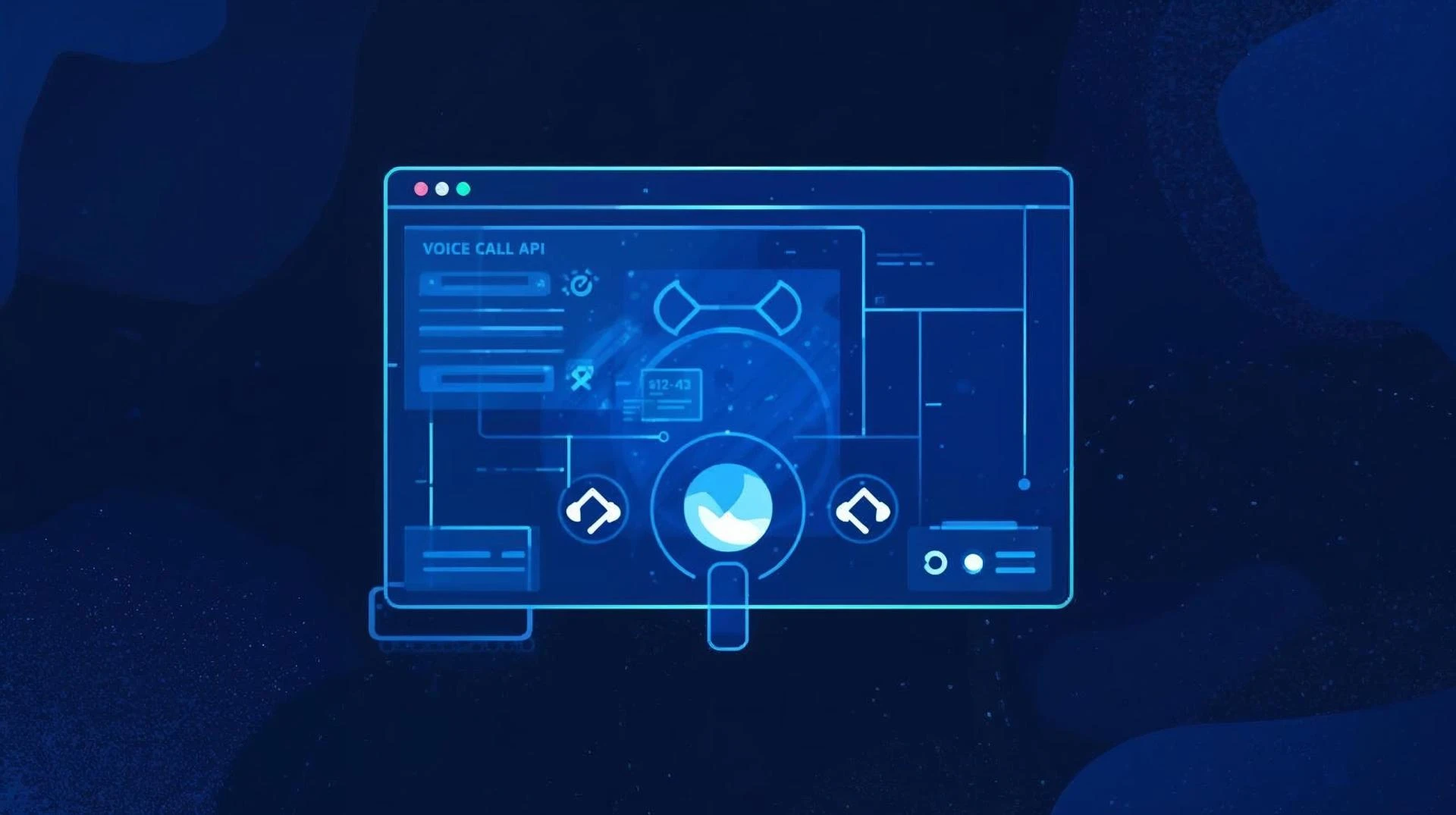
Voice OTP APIs make implementation straightforward.
A typical integration looks like this:
- Request Generation: The system triggers an API call to the Voice OTP provider.
- Voice Call Execution: The provider’s system calls the user and reads the OTP aloud.
- Delivery Confirmation: The system logs whether the user answered and verified successfully.
- Analytics: Businesses can monitor call duration, verification rates, and delivery logs in real time.
By using RESTful APIs, developers can integrate Voice OTPs into apps, websites, and CRM systems with minimal effort.
DLT Compliance and Security
With India’s DLT framework in full effect, communication platforms must follow strict sender ID and template regulations.
Voice OTP routes are automatically verified and monitored, ensuring that each call is compliant and traceable.
This not only protects the business from misuse but also safeguards end-user privacy — an essential aspect of trust in India’s digital space.
Real-World Example
Consider a digital loan app serving semi-urban customers. Many users have basic phones, limited network coverage, and DND-enabled numbers.
SMS OTPs often fail — causing incomplete applications and lost conversions.
After integrating Voice OTP, the app achieved:
- 98% OTP delivery success rate
- 40% reduction in drop-offs
- 2× faster onboarding times
This simple shift directly improved customer experience and revenue.
MessageBot: Reliable Voice OTP Service Provider in India
MessageBot offers an enterprise-grade Voice OTP API that enables Indian businesses to deliver instant, DLT-compliant voice-based verification.
With high uptime, regional language support, and scalable infrastructure, MessageBot helps businesses verify users faster — even during peak loads.
Key highlights include:
- Plug-and-play REST API
- Real-time analytics dashboard
- DLT-compliant routes
- Multi-language voice delivery
- Automatic fallback with SMS OTP
Trusted by startups and enterprises alike, MessageBot simplifies authentication while keeping compliance, reliability, and scalability at its core.
Final Thoughts
In 2025, where digital onboarding and security define user experience, Voice OTP stands out as one of the most dependable verification tools available.
It bridges the gap between accessibility and technology — ensuring that every user, on any device, can verify securely and instantly.


























Sign in to leave a comment.