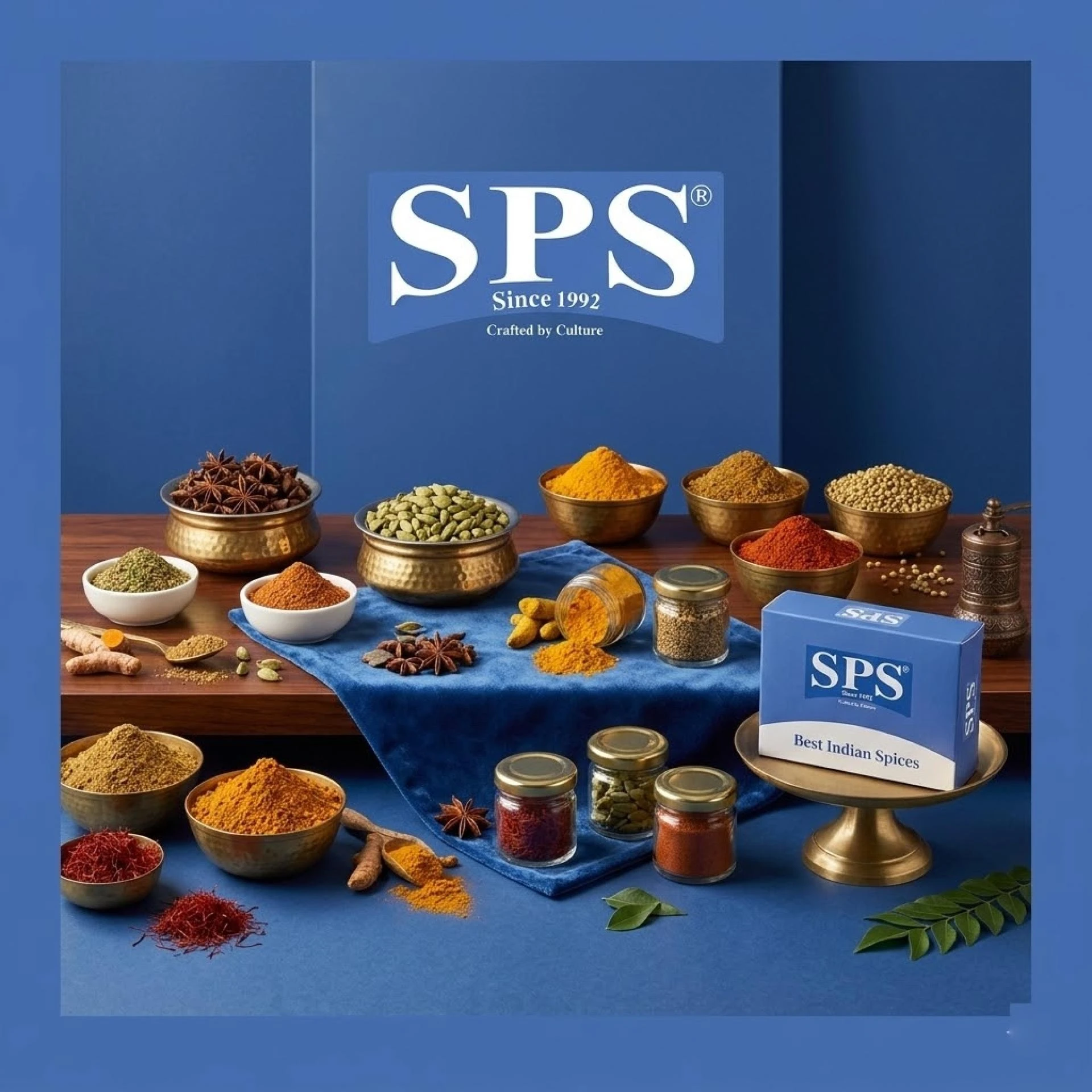

There’s a moment that usually hooks people on Indian cooking. It might be the aroma of cumin hitting hot oil, or the deep color of a curry slowly simmering on the stove. Whatever it is, it tends to spark curiosity: what exactly gives these dishes their flavor?
The answer, more often than not, lies in indian spices. Not just one or two, but a carefully balanced combination that transforms simple ingredients into something layered and memorable.
If you’re new to this world, it can feel overwhelming at first. There are dozens of spices, each with its own personality, and recipes often call for several at once. But once you understand the basics, it starts to make sense—and even becomes enjoyable.
Let’s begin with cumin. It’s one of the most widely used spices in Indian cooking, and for good reason. The seeds are typically added to hot oil at the start of a dish, releasing a warm, earthy aroma that forms the foundation of many recipes. It’s subtle but essential—like the bassline in a piece of music.
Then there’s turmeric, instantly recognizable for its bright yellow color. Beyond its visual appeal, it adds a mild bitterness and depth to dishes. It’s rarely used alone, but it plays a supporting role in everything from dals to vegetable curries. A little goes a long way, and it’s almost always present in traditional recipes.
Coriander is another staple, usually in ground form. It brings a slightly citrusy, fresh note that balances heavier spices. If cumin is warm and grounding, coriander is lighter and more aromatic. Together, they create a base that many dishes build upon.
Of course, you can’t talk about indian spices without mentioning garam masala. Unlike single spices, this is a blend—typically made from a mix of cinnamon, cardamom, cloves, and other warming spices. What’s interesting is that it’s often added toward the end of cooking, giving dishes a final burst of fragrance.
Chili powder is where things get adjustable. Indian cuisine isn’t inherently “spicy” in the sense of overwhelming heat—it’s about balance. Chili adds warmth and intensity, but the amount can vary depending on personal preference. Some dishes use just a hint, while others lean into it more boldly.
Mustard seeds are another classic ingredient, especially in South Indian cooking. When they hit hot oil, they pop and release a sharp, nutty flavor. It’s a small detail, but it adds a distinctive edge to dishes like curries and chutneys.
And then there’s cardamom—slightly sweet, highly aromatic, and often used in both savory and sweet dishes. It’s the kind of spice that surprises people. You might expect it in desserts, but it also shows up in rice dishes and rich curries, adding complexity.
What makes Indian cooking truly special, though, isn’t just the spices themselves—it’s how they’re used. Timing matters. Some spices go in at the beginning, others in the middle, and a few right at the end. This layering technique is what creates depth, turning a simple dish into something that feels complete.
If you’re trying to cook these recipes at home, sourcing good-quality spices is crucial. Freshness makes a noticeable difference. Pre-ground spices lose their potency over time, while whole spices retain their flavor longer and can be ground as needed.
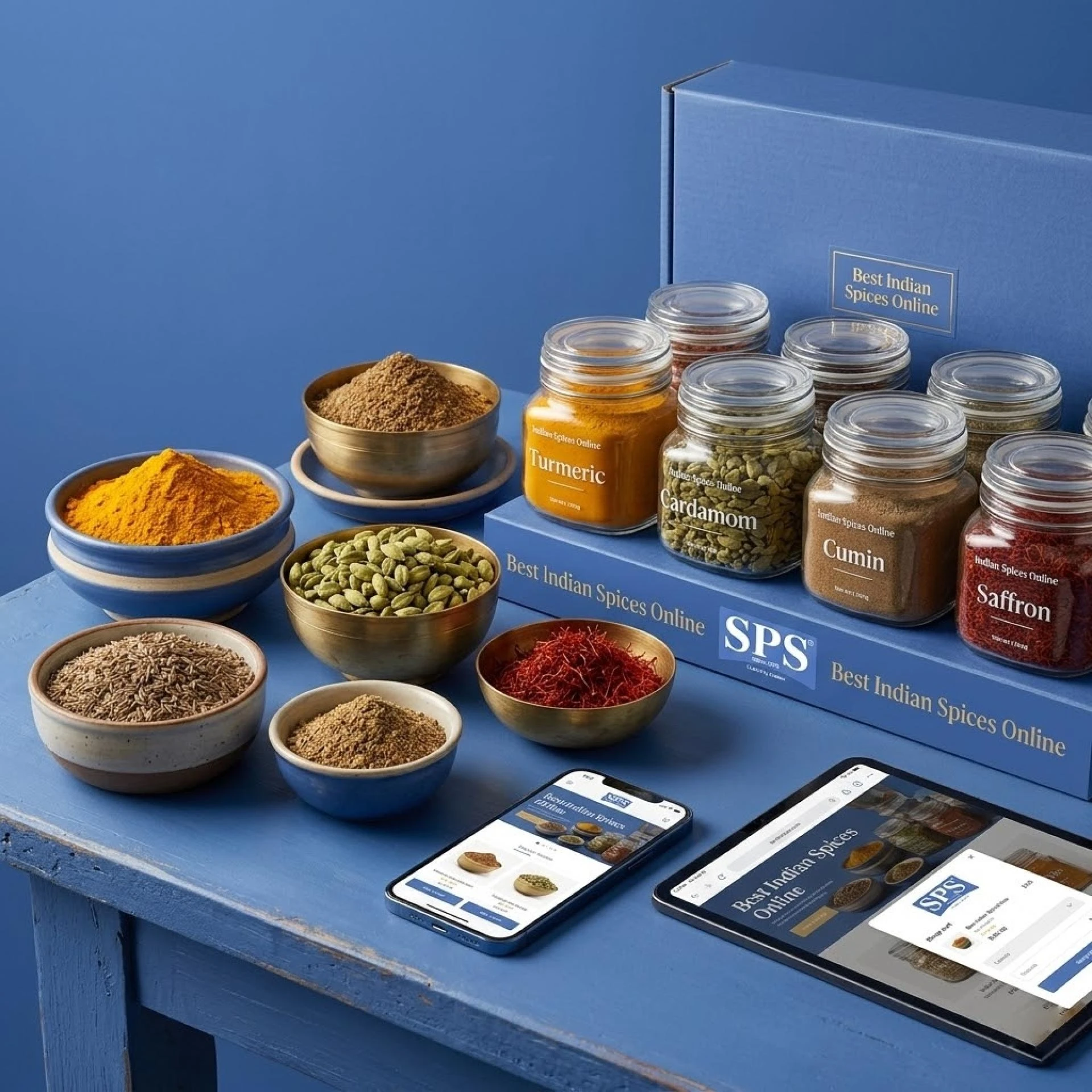
That’s where places like Sps Foods Dk come into the picture. For anyone exploring indian spices, having access to a reliable source can make the process much smoother. Instead of settling for limited options, you can find the ingredients that recipes actually call for—and that authenticity shows in the final dish.
One practical tip: start small. You don’t need a fully stocked spice cabinet on day one. Begin with a handful—cumin, turmeric, coriander, chili powder, and garam masala—and build from there. As you try more recipes, you’ll naturally expand your collection.
There’s also something satisfying about the learning curve. The first time you cook an Indian dish, you might follow the recipe closely. But after a few attempts, you’ll start adjusting—adding a bit more cumin here, less chili there. Over time, you develop an instinct for it.
And that’s really the beauty of it. Indian cooking isn’t rigid; it’s flexible, intuitive, and deeply rooted in tradition. The spices are tools, but they’re also an invitation to experiment.
So if you’ve been curious about indian spices, the best way to understand them is simply to start cooking. Pick a recipe, gather your ingredients, and pay attention to how each spice changes the dish. It’s a process, but it’s one that rewards patience—and your kitchen will smell incredible along the way.





























Sign in to leave a comment.