

Finding a good indian grocery store isn’t just about convenience—it’s about trust. If you’ve ever bought spices that smelled flat or lentils that didn’t cook quite right, you already know how much quality matters. The right store can make your cooking easier, more authentic, and honestly, a lot more enjoyable.
But with so many options out there, how do you actually pick the right one? It’s not always obvious at first glance. Here’s how to approach it in a way that saves you time and ensures you’re getting the best ingredients.
Start With Freshness, Not Just Variety
It’s easy to be impressed by a store that has endless shelves of products. But quantity doesn’t always mean quality.
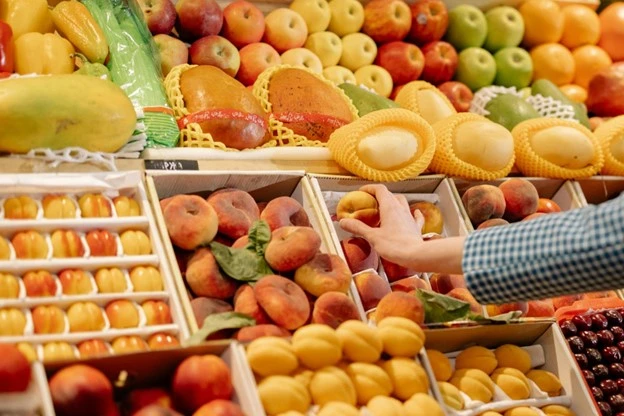
Pay attention to how fresh things look. Are the spices vibrant in color? Do the lentils look clean and well-stored? Freshness is a strong indicator of how frequently the store restocks its inventory.
A good indian grocery store will have high turnover, meaning products don’t sit on shelves for too long.
Look for Authentic Staples
Authenticity shows up in the details. A reliable store won’t just carry generic items—it’ll have region-specific ingredients too.
For example, you might find different types of rice, a wide range of lentils, and traditional flours. The presence of these items suggests the store understands what customers actually need for Indian cooking.
When a store gets the basics right, it’s usually a good sign.
Observe the Customer Base
This might sound simple, but it works. Who shops there?
If you notice people regularly buying in bulk or returning frequently, it often means the store has earned their trust. A steady flow of repeat customers usually indicates consistent quality.
Check Packaging and Storage
Good storage practices matter more than people realize. Spices should be sealed properly, grains should be free from moisture, and refrigerated items should be kept at the right temperature.
If the store looks organized and clean, it’s a positive sign. On the other hand, poorly maintained shelves can be a red flag.
Ask Questions and Gauge Knowledge
Sometimes, the best way to evaluate a store is to interact with the staff. Ask about a specific ingredient or how fresh a product is.
Knowledgeable staff can guide you, suggest alternatives, or even share cooking tips. That kind of interaction adds real value, especially if you’re still learning your way around an indian grocery list.
Compare Prices—But Don’t Chase the Lowest
Price matters, but it shouldn’t be the only factor. Extremely low prices can sometimes indicate compromised quality.
Instead, look for reasonable pricing that reflects the quality of the products. A slightly higher price for better spices or fresher produce is usually worth it.
Convenience and Accessibility
Let’s be practical—location and accessibility matter. A great indian grocery store that’s too far away might not fit into your routine.
Look for a place that balances quality with convenience. That way, you can shop regularly without it feeling like a chore.
Read Reviews and Recommendations
Online reviews can be surprisingly helpful if you read them carefully. Look for consistent feedback about freshness, variety, and service.
Personal recommendations also go a long way. Friends or family who cook Indian food regularly often know where to find the best ingredients.
Consistency Is Key
One good visit isn’t enough. The real test is whether the store maintains its quality over time.
Do they restock regularly? Are the products consistently fresh? Can you rely on them week after week? These are the factors that turn a decent store into your go-to place.
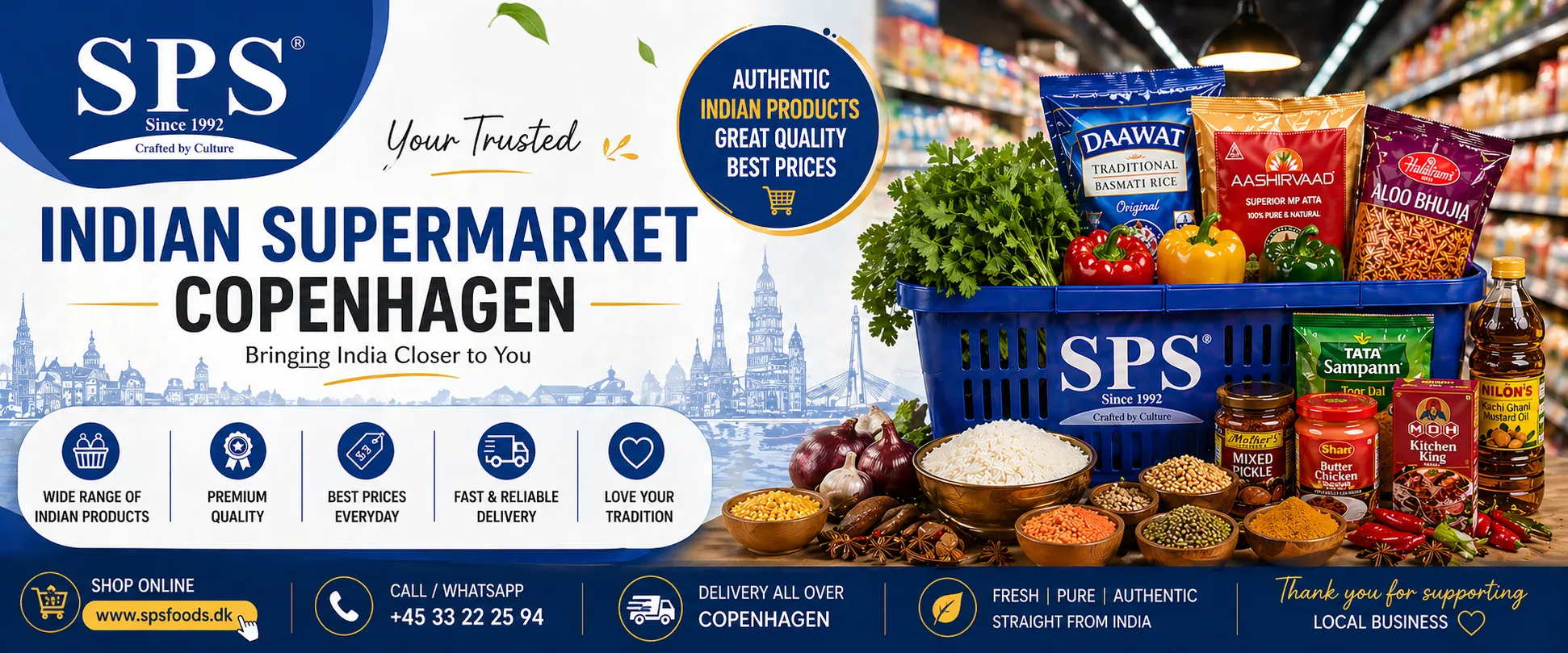
For many shoppers, consistency is why they stick with a trusted name like Sps Food Dk. When you know what to expect, it removes a lot of guesswork from your shopping routine.
Final Thoughts
Finding the right indian grocery store is less about luck and more about observation. Once you know what to look for—freshness, authenticity, cleanliness, and consistency—it becomes much easier to make the right choice.
And when you do find that reliable spot, everything else falls into place. Your cooking improves, your pantry stays well-stocked, and meal prep feels less like a task and more like something you actually enjoy.
In the end, it’s not just about buying ingredients—it’s about building a system that works for you.






























Sign in to leave a comment.