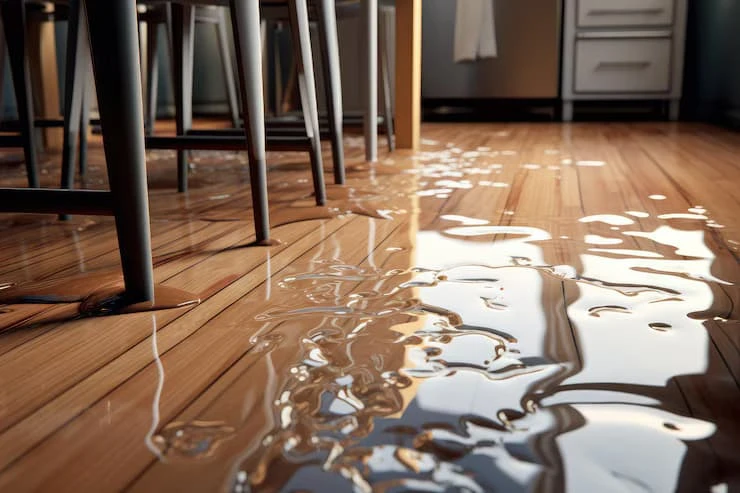

Water damage can occur at any time, whether it’s due to a burst pipe, flooding, or a leaking roof. While it can be an overwhelming experience, understanding the water damage restoration process can help you manage the situation effectively and minimize long-term damage.
In this article, we will walk you through the key steps involved in the water damage restoration process, ensuring you are better prepared should water damage strike your home or property.
Step 1: Immediate Response
The first and most important step in the water damage restoration process is immediate response. Water damage can worsen quickly, especially if left untreated. When you discover water damage in your home, the first thing you should do is stop the source of the water if possible. This could mean turning off the water supply to your home or containing the leak temporarily.
If the water damage is caused by flooding or a burst pipe, it’s crucial to contact a professional restoration service as soon as possible. Professional restoration teams will have the necessary tools and experience to address the problem before it escalates.
In the case of severe flooding or water damage, it may also be necessary to evacuate the area, especially if there is any risk of electrical shock or contamination in the water.
Step 2: Water Removal
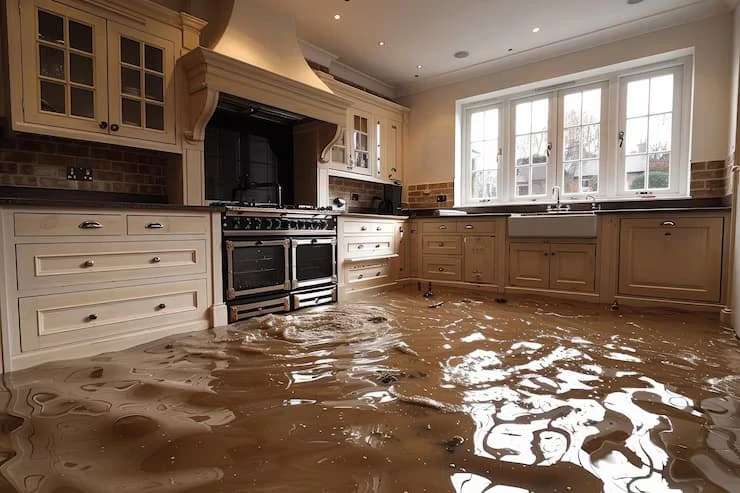
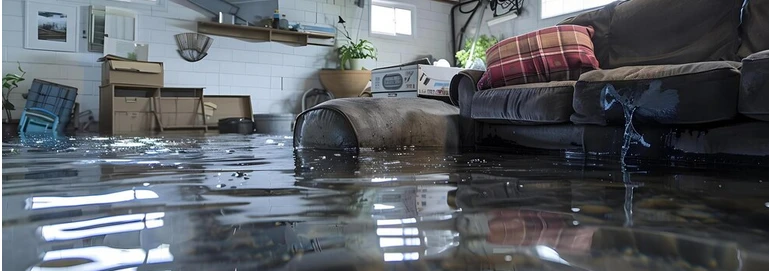
Once the initial steps are taken, the next phase is the water removal process. Professional restoration experts will typically use specialized equipment such as water extractors and pumps to remove standing water from your property. This process is crucial for limiting further damage, as the longer water remains stagnant, the more it will seep into floors, walls, and furniture.
It’s important to note that this step must be completed as quickly as possible. Stagnant water can lead to mold growth, structural weakening, and increased damage to personal items. Water extraction can take several hours depending on the extent of the damage, but it is essential for setting the foundation for the next steps.
Step 3: Drying and Dehumidification
After water has been removed from the premises, drying and dehumidification is the next critical step in the restoration process. At this point, the remaining moisture must be eliminated to prevent mold growth and further structural damage. Restoration companies typically use high-powered fans, dehumidifiers, and air movers to speed up the drying process.
This step can take several days, depending on the severity of the water damage and the materials affected. For example, wood floors or drywall may require additional drying time, while concrete or tile surfaces can dry more quickly. Restoration experts will monitor the moisture levels in your property using special moisture meters to ensure that all areas are thoroughly dried.
Step 4: Cleaning and Sanitizing
Once the area is dry, it’s time for cleaning and sanitizing. This step is especially important in cases where the water that caused the damage is contaminated, such as water from a sewer backup or floodwater. Contaminated water poses serious health risks, including the spread of bacteria and viruses, so it’s vital to use specialized cleaning agents and sanitizers to disinfect affected areas.
Even in cases where the water source is clean, all affected materials should still be cleaned thoroughly to remove any dirt, debris, or other contaminants. Professional restoration services will often use industrial-strength cleaning solutions and equipment to restore your property to its pre-damage condition. This process may also include deodorizing to remove any unpleasant odors left by the water damage.
Step 5: Structural Repair and Restoration
Once the affected areas are cleaned and sanitized, structural repair and restoration begin. This step involves assessing the damage to your home’s structure, including walls, ceilings, floors, and insulation, to determine what repairs are necessary.
In some cases, water damage can compromise the integrity of the building structure, requiring repairs to drywall, flooring, or even the foundation. Restoration teams may need to remove and replace damaged materials, such as drywall or insulation, to prevent further damage and ensure that your home is safe and structurally sound.
For instance, wet drywall may need to be removed entirely, while hardwood floors could be refinished or replaced depending on the extent of the damage. Some structural repairs may involve specialized techniques or materials to restore the building to its original condition.
Step 6: Mold Inspection and Prevention
Water damage, especially if left untreated, can create the perfect breeding ground for mold. Mold inspection and prevention are key steps in the restoration process to ensure that the water damage doesn’t lead to a bigger problem down the line.
After your property is dried, restoration professionals will conduct a thorough mold inspection to check for signs of mold growth. If mold is found, it will need to be removed using specialized equipment and methods. Sometimes, it may be necessary to replace materials like insulation or carpeting if mold growth is extensive.
Preventing future mold growth is also a crucial part of the restoration process. Restoration experts will often use antimicrobial treatments to ensure that mold doesn’t develop in the future. Proper ventilation, along with moisture control, will also be recommended to keep mold at bay in the long term.
Step 7: Final Inspection and Restoration Completion
The final step in the water damage restoration process is the final inspection. After all repairs have been completed, a professional restoration team will conduct a thorough inspection to ensure that everything has been properly restored and that no hidden water damage remains.
During this inspection, professionals will check the moisture levels in different areas of your home, verify that all repairs have been made correctly, and ensure that the property is fully restored. Only after this inspection will the restoration process be considered complete.
At this stage, you should be able to return to your home or property with confidence, knowing that the water damage has been fully addressed and that everything is safe and secure.
Conclusion
The water damage restoration is an extensive and multi-step procedure that requires professional expertise. From immediate response to final inspection, each phase plays a crucial role in ensuring that your property is restored to its original condition and that any potential long-term issues are avoided.
If you’ve recently experienced water damage, it’s important to contact a qualified restoration professional to handle the process effectively.
This is here to assist with all aspects of water damage restoration, ensuring a quick and efficient recovery for your property. Don’t wait for the damage to get worse—call us today for immediate, expert service!
Call Assure Pro Water Damage Restoration today to restore your home to its best condition.










Sign in to leave a comment.