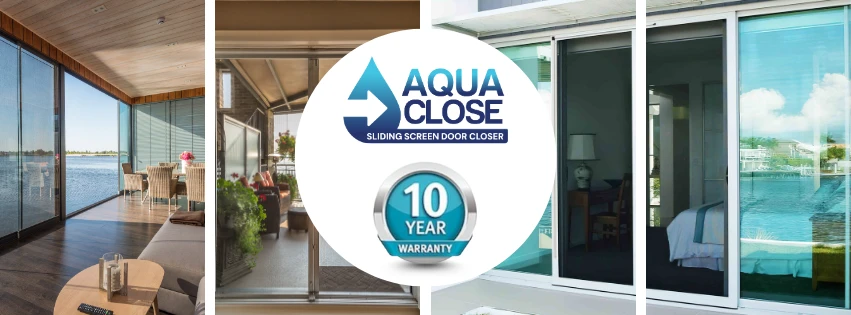

Door closers play an important role in home and commercial spaces by improving safety, comfort, and energy efficiency. From preventing doors from slamming to keeping insects and dust outside, the right door closer can make everyday living easier. When choosing a solution, many property owners compare a water door closer with traditional spring or hydraulic door closers. Understanding the differences helps you make the right choice for long-term performance and convenience.
What Is a Water Door Closer?
A water door closer uses a water-filled cylinder to control the closing speed of a door—most commonly sliding screen doors. Instead of relying on springs or oil-based hydraulics, the water mechanism creates smooth, controlled resistance that gently pulls the door closed.
Water door closers are especially popular in Australian homes because they are designed to handle frequent use, warm climates, and outdoor conditions without losing performance.
What Are Traditional Door Closers?
Traditional door closers typically use:
- Spring-based mechanisms, which rely on tension to pull the door shut
- Hydraulic oil systems, often used on hinged doors in commercial settings
While these closers are widely used, they can be prone to slamming, stiffness, leaks, or performance changes over time—particularly when exposed to weather or heavy daily use.
Key Differences Between Water Door Closers and Traditional Closers
Closing Action and Control
A water door closer provides a smooth, quiet, and consistent closing motion. Traditional spring closers often snap the door shut, while hydraulic closers may close unevenly as the mechanism wears.
Durability and Weather Resistance
Water door closers are well suited for outdoor environments, especially sliding screen doors exposed to heat, humidity, and salt air. Traditional hydraulic closers may leak oil, and spring closers can lose tension over time.
Safety and Comfort
With a water door closer, doors close gently, reducing the risk of trapped fingers, damage to frames, or sudden slamming. Traditional closers can be abrupt, creating noise and potential safety concerns—especially for children and pets.
Maintenance Requirements
Water door closers require minimal maintenance and do not rely on oil or mechanical springs. Traditional closers may need adjustments, lubrication, or replacement as components wear out.
Installation and Compatibility
Water door closers are typically designed for sliding screen doors, making them ideal for residential applications such as patios, balconies, and alfresco areas. Traditional door closers are more commonly used for hinged doors in commercial or internal settings.
Choosing the correct closer depends on:
- Door type (sliding vs hinged)
- Location (indoor or outdoor)
- Frequency of use
Energy Efficiency and Insect Control
One of the biggest advantages of water door closers is their ability to ensure doors close fully every time. This helps:
- Keep insects and pests outside
- Maintain indoor temperatures
- Reduce air conditioning and heating loss
Traditional closers, especially worn spring systems, may leave doors partially open or close too slowly to be effective.
Noise Reduction and Everyday Convenience
Water door closers are designed to operate silently, making them ideal for family homes and quiet environments. Traditional spring closers can create noticeable noise and vibrations, which may be disruptive in residential spaces.
Which Door Closer Is Right for You?
A water door closer is the better choice if you want:
- Smooth, silent closing
- Reliable performance in outdoor conditions
- Low maintenance and long lifespan
- Improved safety for children and pets
Traditional door closers may still be suitable for internal or commercial hinged doors where different closing requirements apply.
Final Thoughts
When comparing a water door closer vs traditional closers, the difference comes down to control, durability, and comfort. Water door closers offer a modern, efficient solution designed specifically for sliding screen doors, delivering smoother operation and long-term reliability—particularly in Australian conditions.
Choosing the right door closer enhances everyday convenience, protects your home, and ensures doors work exactly as they should.
























Sign in to leave a comment.