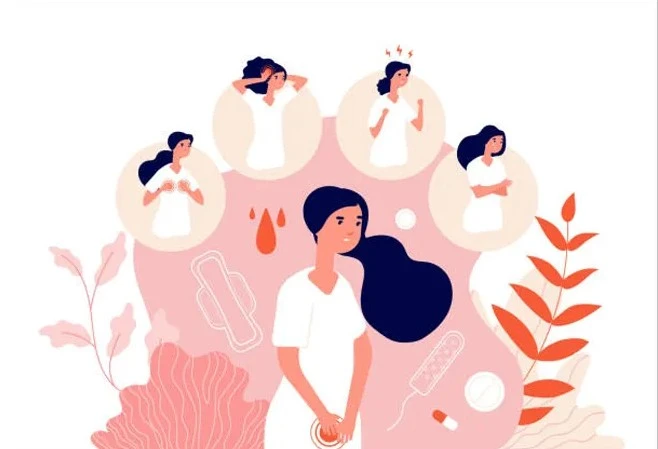

Menstrual health is a crucial part of a woman’s overall well-being, yet it often remains a taboo subject in many communities across India. Millions of girls and women face challenges due to lack of knowledge, limited access to sanitary products, and inadequate facilities. WaterAid India has been actively working to empower women and girls by promoting menstrual hygiene awareness and encouraging informed decisions about their menstrual health.
Understanding Menstrual Hygiene Management
Menstrual hygiene management is the practice of safely and comfortably managing periods using clean products, proper disposal methods, and appropriate facilities. It also involves accurate knowledge about menstruation, understanding product options, and adopting hygienic practices.
Many women in rural and urban India are unaware of the range of available menstrual products. Lack of awareness can lead to poor hygiene, infections, and discomfort. Promoting menstrual hygiene awareness ensures that women can make informed decisions about their health and dignity.
The Importance of Informed Product Choice
One of the key aspects emphasized by WaterAid India is the concept of informed product choice. Launched ahead of Menstrual Hygiene Day 2019, WaterAid India’s brief report, Menstrual Hygiene Management: Informed Product Choice and Disposal, aims to raise awareness about the menstrual product landscape in India. The report encourages women and girls to choose products based on their personal, reproductive, health, and socio-economic needs.
The report highlights a comparative analysis of three main categories of menstrual products: Disposable Pads, Reusable Pads, and Menstrual Cups. On average, a sanitary pad user uses 6,120 disposable pads in her lifetime, while a cloth pad user uses 136 reusable pads, and a menstrual cup user uses only seven reusable cups over her lifetime. This analysis underlines the sustainability benefits of reusable products and the environmental impact of single-use items.
By promoting informed product choice, WaterAid empowers women to select menstrual products that suit their lifestyle, comfort, and health, rather than relying solely on the products distributed through government or commercial channels.
Understanding Menstrual Product Disposal
Proper menstrual product disposal is an essential part of menstrual hygiene management. Many disposable products are made from non-compostable materials that can take hundreds of years to degrade. When women do not have easy access to disposal options, they may use pads longer than recommended, putting themselves at risk for infections and discomfort.
WaterAid’s report emphasizes that menstrual product choice and disposal are interconnected. Selecting a sustainable product is only effective if proper menstrual waste management is in place. Education about safe disposal methods ensures women maintain hygiene while also reducing environmental impact.
Sustainable Menstrual Products and Eco-Friendly Practices
Sustainability is an important consideration in menstrual health. Sustainable menstrual products like reusable pads and menstrual cups not only reduce waste but also provide long-term cost benefits. For example, reusable pads and menstrual cups can last for several years, significantly lowering the environmental burden compared to disposable pads.
Eco-friendly period products are gaining attention because they minimize waste, are often made from biodegradable materials, and are safer for the environment. Promoting such products in communities contributes to both better health outcomes and environmental sustainability.
The Role of Menstrual Health Education
Menstrual health education is critical to ensuring that girls and women understand how to manage their periods safely. Awareness campaigns, workshops, and school programs help break taboos around menstruation and encourage open conversations. Education ensures that women are aware of the full range of menstrual products, how to use them safely, and the importance of proper disposal.
Through menstrual health education, WaterAid helps girls and women make informed choices, fostering independence and confidence in managing their reproductive health. Education also addresses myths and misconceptions, encouraging better menstrual hygiene management practices.
Promoting Reusable Menstrual Products
Reusable products are an effective solution for both health and environmental concerns. Reusable menstrual products like cloth pads and menstrual cups offer several advantages:
- Reduced waste and environmental impact
- Long-term cost savings
- Bet
WaterAid promotes awareness about reusable menstrual products and trains women to use them effectively. By integrating reusable products with proper menstrual product disposal methods, communities can maintain hygiene while protecting the environment.
Integrating Menstrual Waste Management
Proper menstrual waste management ensures that used products do not harm the environment. WaterAid emphasizes community solutions, such as:
- Providing safe disposal units in schools and public spaces
- Encouraging compostable or biodegradable options
- Educating women about safe disposal practices
These steps are critical to achieving effective menstrual hygiene management and reducing the environmental burden of non-biodegradable products.
WaterAid’s Impact on Menstrual Hygiene Awareness
WaterAid’s initiatives have brought meaningful change in communities by:
- Increasing access to information about different menstrual products
- Promoting informed product choice to suit individual needs
- Raising awareness about safe menstrual product disposal
- Encouraging adoption of sustainable menstrual products
- Educating communities on menstrual health education and hygiene practices
By focusing on holistic approaches, WaterAid ensures that women and girls not only have access to menstrual products but also the knowledge and facilities to use them safely and sustainably.
Conclusion
Promoting menstrual hygiene awareness is essential for empowering women and girls in India. Through comprehensive education, access to sustainable products, and proper menstrual waste management, WaterAid enables women to make informed decisions about their menstrual health.
Focusing on menstrual health education, encouraging informed product choice, and supporting eco-friendly and reusable options creates a positive impact on both personal health and the environment. Empowering women through better menstrual hygiene practices ensures dignity, health, and equality, making a sustainable difference for communities across India.































Sign in to leave a comment.