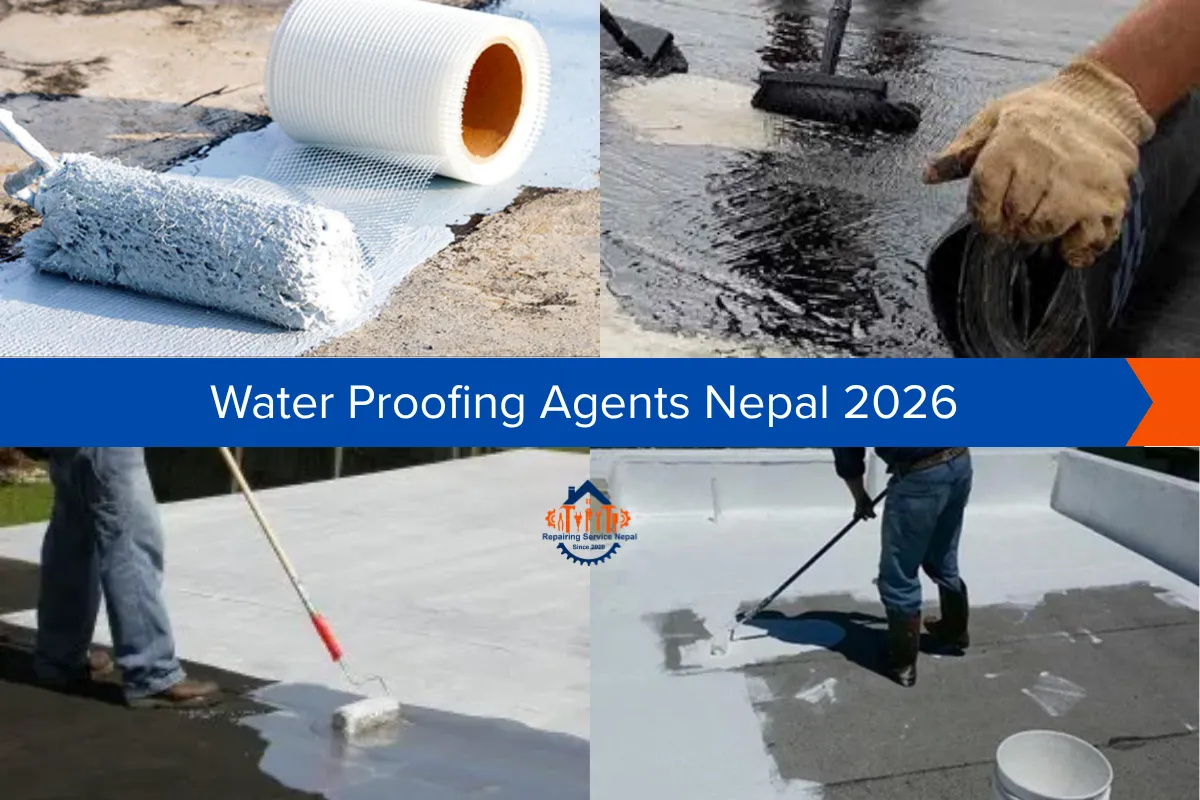

Water damage is a common problem in many homes and buildings. It often starts with small signs like damp walls, minor cracks, or light leaks. These problems may look simple at first, but if ignored, they can lead to serious structural damage.
This is why waterproofing agents are widely used in construction and maintenance. They help protect surfaces from water and keep buildings safe for a longer time.
What Are Waterproofing Agents?
Waterproofing agents are materials designed to stop water from entering surfaces such as walls, roofs, and floors. They create a protective layer that blocks moisture and reduces water absorption.
Instead of soaking into the surface, water forms droplets and moves away. This helps prevent long-term damage caused by moisture.
Common Areas Where Waterproofing Is Needed
Water exposure cannot be avoided, but proper protection can reduce its impact. Some areas in buildings are more likely to face water-related issues.
These include:
- Roofs that are exposed to rain
- Bathrooms with constant water use
- Walls that absorb moisture from outside
- Concrete surfaces with small pores
Using waterproofing agents in these areas helps reduce the chances of leakage and damage.
Types of Waterproofing Agents
Different surfaces require different solutions. Some commonly used types include:
- Cement-based waterproofing, often used in wet areas
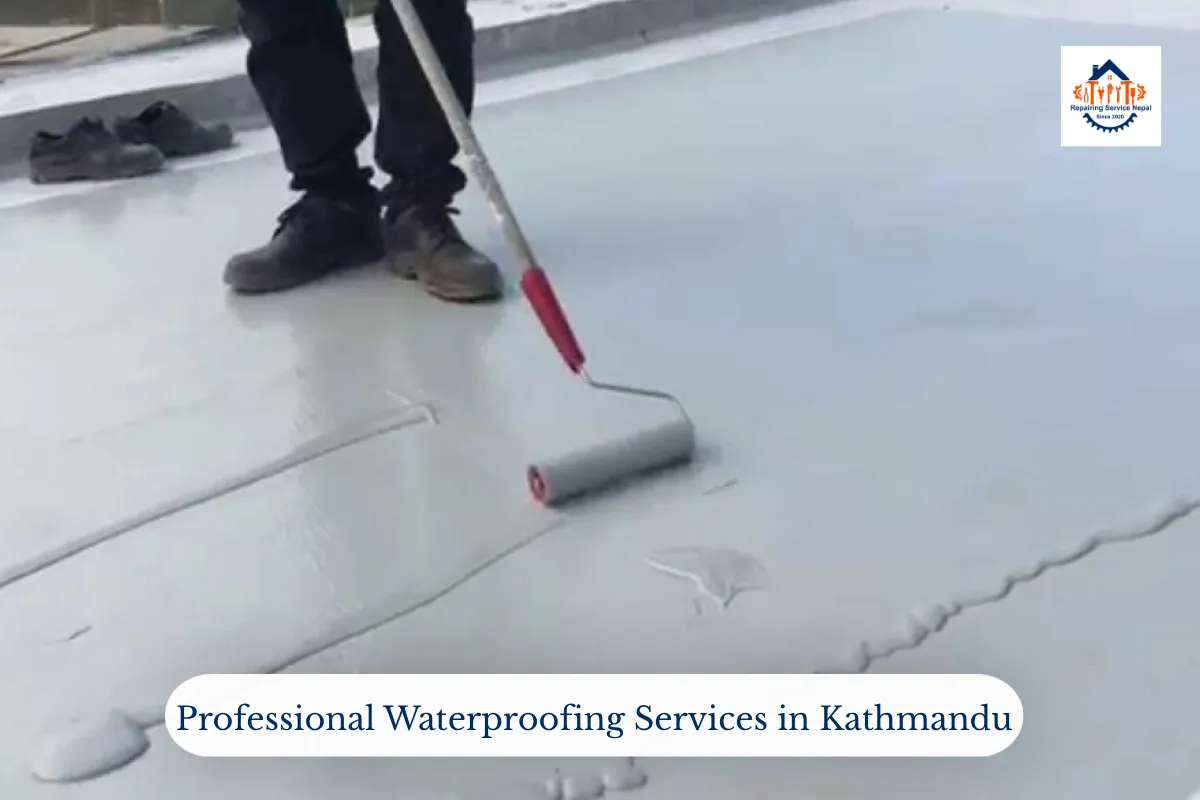
- Liquid waterproofing membranes applied on roofs and terraces
- Silicone-based coatings for exterior wall protection
- Acrylic coatings for flexible and exposed surfaces
Each type works in a specific way, depending on the surface and level of exposure.
Importance of Waterproofing
Water damage may not always be visible immediately. Over time, it can weaken structures and increase maintenance costs.
Waterproofing agents help by:
- Preventing water from entering cracks
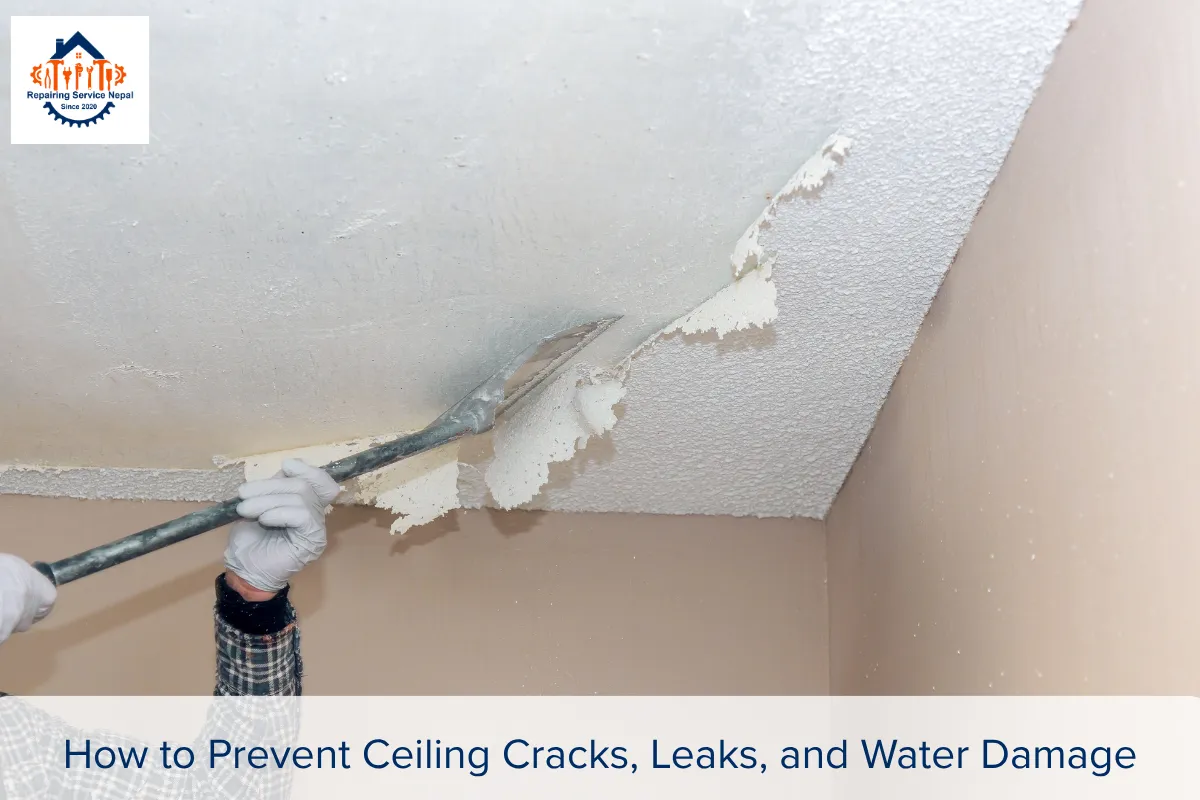
- Protecting walls and ceilings from dampness
- Maintaining the strength of construction materials
- Reducing the need for frequent repairs
Early protection is often more effective than fixing damage later.
Choosing the Right Waterproofing Solution
Selecting the right waterproofing method depends on a few important factors:
- The location of the problem
- The type of surface involved
- The extent of water exposure
Understanding these factors can help in choosing a suitable solution for long-term protection.
Additional Reading
For a more detailed explanation of waterproofing agents, including their types, uses, and practical application, you can refer to this guide:
https://repairingservicenepal.com/waterproofing-agents-nepal-guide/
Conclusion
Waterproofing agents play an important role in protecting buildings from water damage. They help maintain structural strength and improve durability over time.
Understanding how and where to use waterproofing solutions can help prevent common problems such as leaks and dampness, making buildings safer and more reliable.






















Sign in to leave a comment.