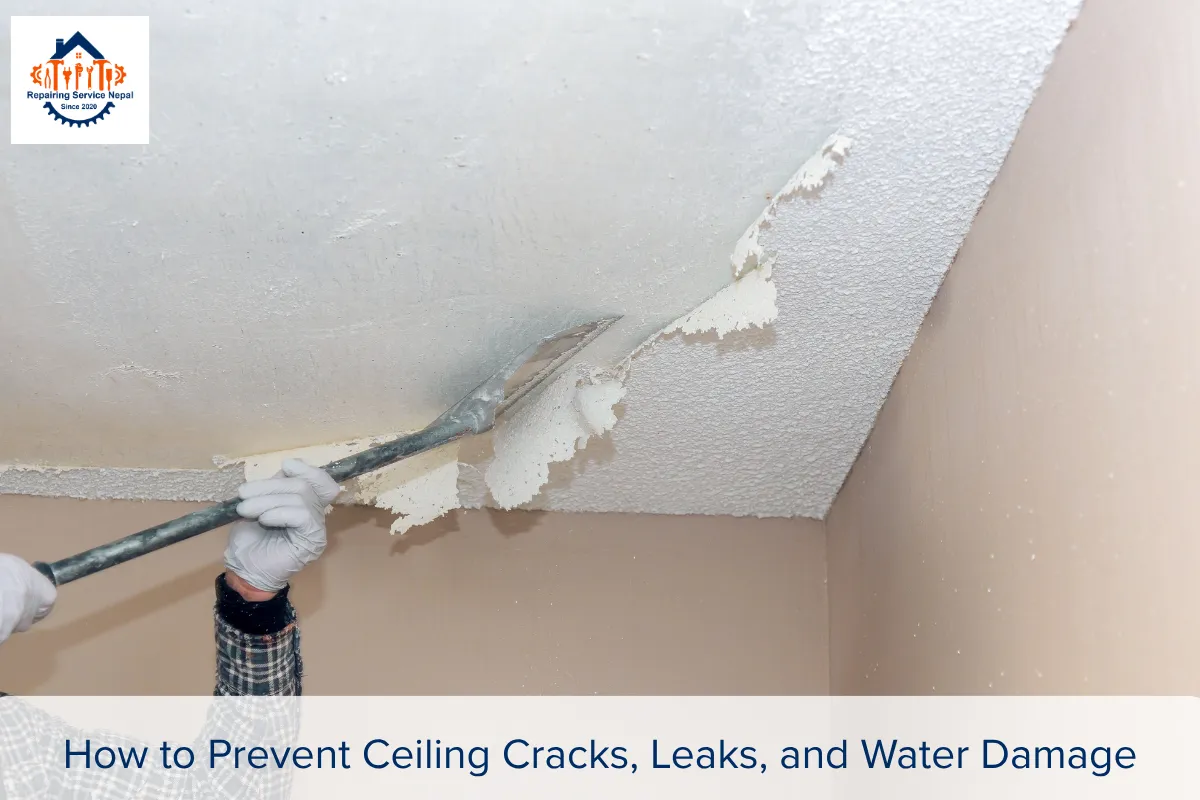

A damaged ceiling is more than just an aesthetic concern. Whether you notice hairline cracks, peeling paint, water stains, or sagging plaster, these visible signs often indicate an underlying issue that requires attention. Ignoring ceiling damage may lead to larger repair costs, structural deterioration, and moisture-related problems over time.
Understanding the causes of ceiling damage and choosing the right repair approach can help homeowners protect their property and avoid unnecessary expenses.
In this guide, you'll learn the most common causes of ceiling damage, early warning signs, repair options, and practical maintenance tips that keep ceilings in good condition for years.
Why Ceiling Repair Is Important
Many homeowners delay repairs because ceiling damage initially appears minor.
However, untreated ceiling problems may result in:
- Water infiltration
- Mold growth
- Loose plaster
- Interior wall damage
- Higher repair costs
- Reduced property value
Addressing small issues early is generally easier and more cost-effective than waiting until the damage becomes extensive.

Common Signs Your Ceiling Needs Repair
Ceiling Cracks
Small cracks often develop because of normal settling, but recurring or expanding cracks usually indicate moisture, weak plaster, or structural movement.
These cracks should be inspected before applying fillers or paint.
Water Stains
Brown or yellow stains commonly indicate hidden moisture.
Possible causes include:
- Roof leaks
- Plumbing leaks
- Bathroom seepage
- Terrace leakage
- Waterproofing failure
Since water frequently travels inside the structure before becoming visible, identifying the actual source is essential.
For homeowners who want to better understand inspection techniques and repair methods, this complete guide to ceiling repair provides detailed information about diagnosing and fixing different ceiling problems.
Peeling Paint
Paint that bubbles or peels usually means moisture exists beneath the surface.
Applying fresh paint without eliminating the water source often leads to recurring damage.
Damp Ceiling
Persistent dampness weakens plaster and creates an environment where mold can develop.
Moisture problems should always be investigated before cosmetic repairs begin.
Sagging Ceiling
A sagging ceiling is never considered normal.
Common causes include:
- Long-term water damage
- Weak ceiling materials
- Structural movement
- Failed support systems
Professional assessment is recommended before attempting repairs.
Common Causes of Ceiling Damage
Roof Leakage
Roof defects frequently allow rainwater to enter the building.
Damaged waterproofing, cracked roofing materials, and blocked drainage systems often contribute to interior ceiling damage.
Plumbing Problems
Hidden pipes above ceilings sometimes leak slowly for weeks before becoming visible.
Signs include:
- Damp patches
- Water stains
- Soft plaster
- Peeling paint
Bathroom Waterproofing Failure
Bathrooms located above living areas are a common source of ceiling moisture.
Repairing the ceiling without correcting waterproofing usually leads to recurring problems.
Aging Building Materials
Older plaster naturally weakens over time.
Although minor cracking is common in aging homes, repeated cracking should still be evaluated.
Moisture often affects more than just ceilings. Homeowners facing widespread interior damage can benefit from this wall and ceiling repair guide, which explains common repair methods and preventive maintenance for connected interior surfaces.
Ceiling Repair or Ceiling Replacement?
Repair may be suitable when:
- Damage is localized.
- Moisture has been eliminated.
- Structural components remain sound.
- Plaster is securely bonded.
Replacement may be necessary for:
- Extensive water damage
- Severe sagging
- Structural movement
- Large detached plaster sections
Preventing Ceiling Damage
Preventive maintenance reduces long-term repair costs.
Helpful practices include:
- Inspect roofs before monsoon season.
- Repair plumbing leaks immediately.
- Clean roof drainage systems.
- Maintain bathroom waterproofing.
- Monitor new cracks.
- Address dampness promptly.
Regular inspections help identify problems before significant damage develops.
Why Professional Inspection Matters
Two ceilings with similar symptoms may require completely different repair methods.
Professional inspections typically evaluate:
- Moisture sources
- Roof condition
- Plumbing systems
- Waterproofing
- Structural movement
Accurate diagnosis helps prevent recurring repairs and unnecessary expenses.
If you'd like to understand professional inspection procedures, repair techniques, and restoration methods in greater detail, this resource on professional ceiling repair work offers practical insights for homeowners.
Final Thoughts
Ceiling damage should never be ignored simply because it appears minor. Small cracks, water stains, peeling paint, and damp patches often indicate larger problems hidden above the surface.
By understanding the warning signs, identifying the underlying cause, and performing timely repairs, homeowners can extend the life of their ceilings while reducing long-term maintenance costs.
Regular inspections and preventive maintenance remain the most effective ways to protect both the ceiling and the overall structure of a home.
Frequently Asked Questions
What are the common signs that my ceiling needs repair?
Common signs of ceiling damage include hairline cracks, water stains, peeling paint, and sagging plaster. These issues can indicate underlying problems such as moisture intrusion or structural movement, which should be addressed promptly to avoid more extensive damage.
How can I tell if my ceiling damage is serious?
If you notice recurring or expanding cracks, persistent dampness, or extensive water stains, these may indicate serious issues like moisture problems or structural failure. It's important to seek a professional assessment to determine the extent of the damage and the necessary repairs.
Is it better to repair or replace a damaged ceiling?
Repair is often suitable for localized damage where moisture has been resolved and structural components are intact. However, replacement may be necessary for extensive water damage, severe sagging, or significant structural issues. A professional inspection can help decide the best course of action.
What causes ceiling damage in homes?
Ceiling damage can be caused by various factors, including roof leaks, plumbing problems, aging building materials, and improper waterproofing. Identifying the source of the damage is crucial for effective repair and preventing future issues.
How can I prevent ceiling damage in my home?
Preventive maintenance is key to avoiding ceiling damage. Regularly inspect your roof, repair plumbing leaks promptly, clean drainage systems, and monitor for new cracks or dampness to catch problems early before they escalate.
Why is a professional inspection important for ceiling issues?
A professional inspection is important because it can accurately diagnose the source of ceiling problems, which may not be immediately apparent. Different underlying issues may require different repair methods, and a thorough assessment can help prevent recurring repairs and unnecessary expenses.

























Sign in to leave a comment.