Introduction
Terrace leakage is one of the most common problems faced by homeowners, residential societies, and industrial buildings, especially during the monsoon season. Water seepage from the terrace can lead to damp ceilings, peeling paint, mold growth, and even structural damage over time. Many people try temporary fixes like cement patchwork or local repairs, but these solutions often fail after a few months.
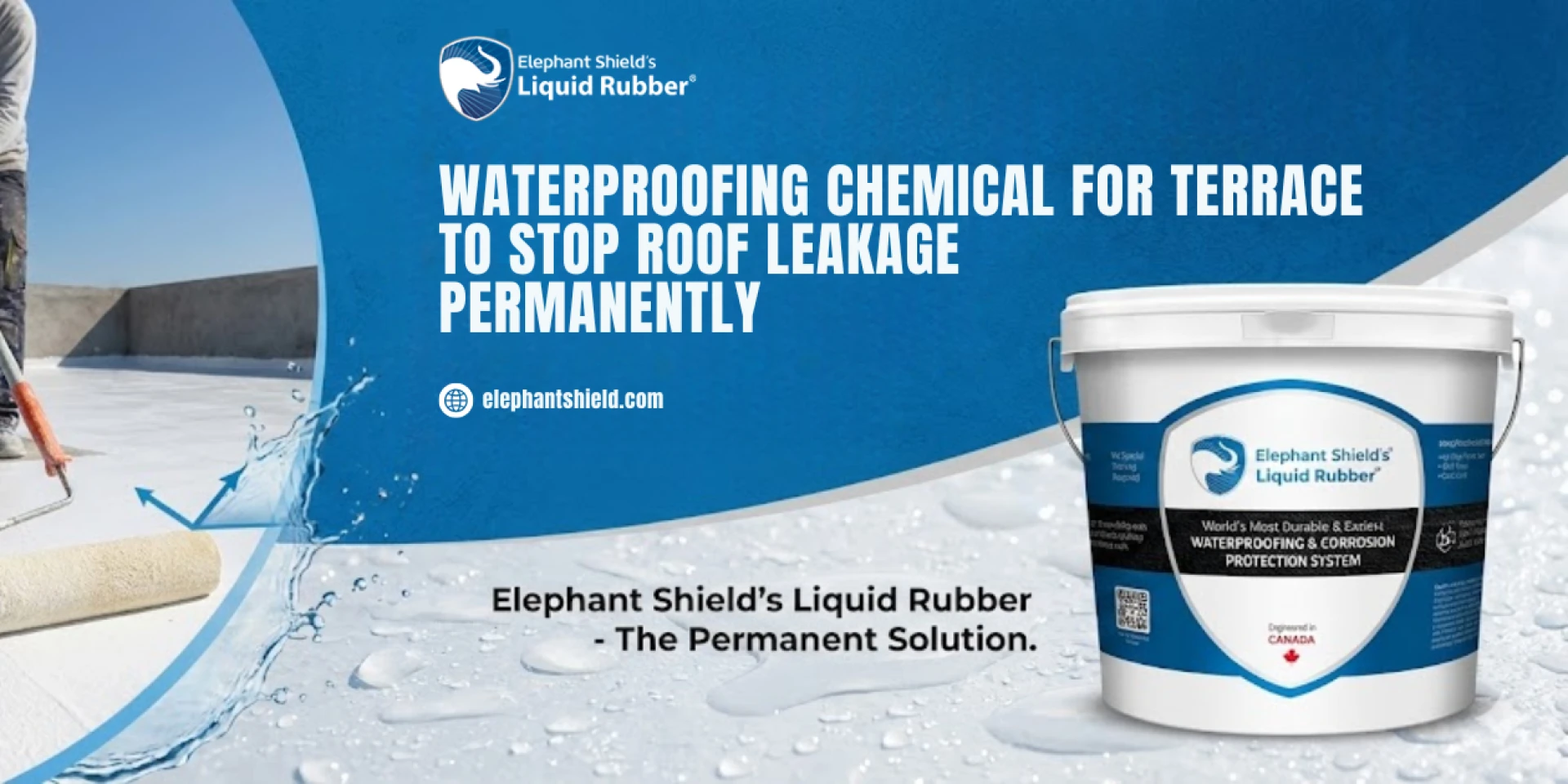
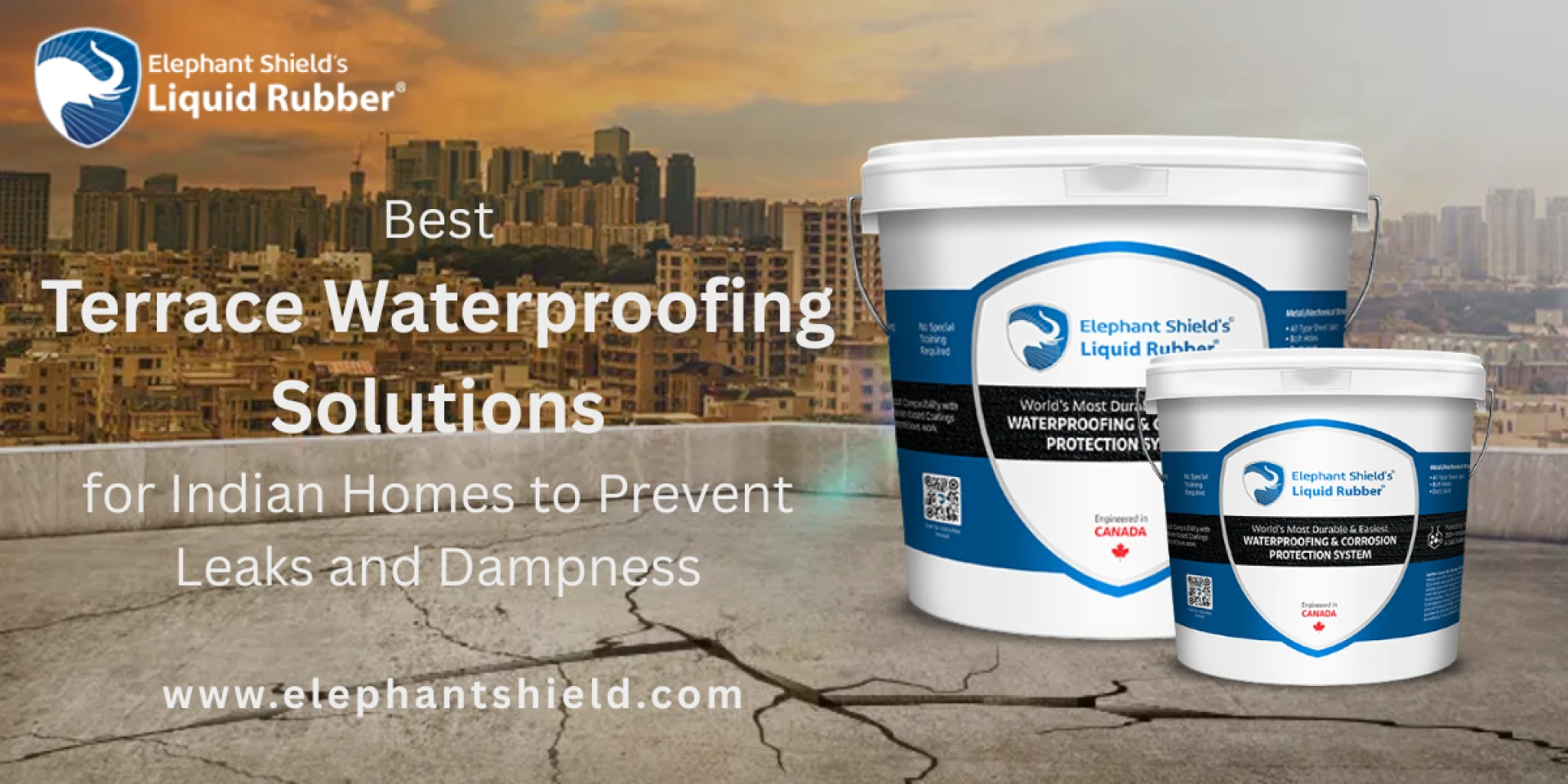
This is where a Waterproofing Chemical for Terrace becomes a permanent and reliable solution. Modern waterproofing chemicals create a strong protective layer over the terrace surface, preventing water from penetrating the concrete.
In this article, you will learn what terrace waterproofing chemicals are, how they work, their key benefits, common mistakes to avoid, and how to choose the right waterproofing solution for residential and industrial buildings.
What is Waterproofing Chemical for Terrace?
A waterproofing chemical for terrace is a specially designed liquid coating applied on terrace surfaces to prevent water seepage. It seals tiny pores, cracks, and joints in concrete, forming a waterproof barrier that blocks moisture penetration.
Unlike traditional cement-based waterproofing, modern terrace waterproofing chemicals are flexible, durable, and weather-resistant. They adapt to temperature changes and minor structural movements, making them ideal for long-term protection. These chemicals are widely used in homes, apartments, factories, warehouses, and commercial buildings.
How Does Waterproofing Chemical for Terrace Work?
Terrace waterproofing works effectively when applied using the correct process. Below is a simple step-by-step explanation:
- Surface Cleaning
The terrace surface is cleaned to remove dust, loose particles, oil stains, and algae.
- Crack and Joint Repair
Visible cracks and joints are sealed using suitable fillers or sealants.
- Application of Waterproofing Chemical
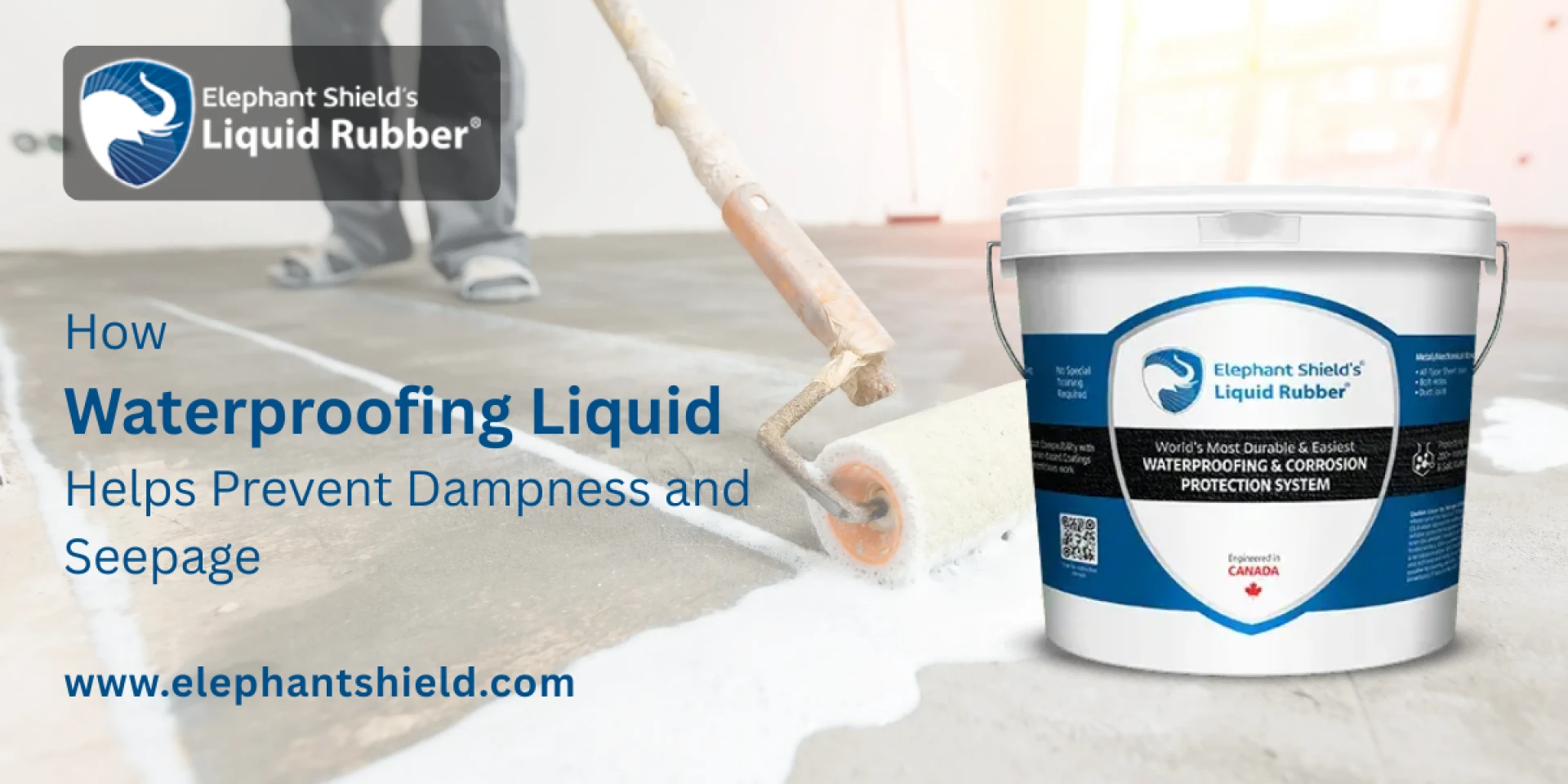
The waterproofing chemical is applied evenly using a brush, roller, or spray.
- Formation of Waterproof Membrane
After drying, the chemical forms a seamless and flexible protective layer.
- Water Resistance Activation
This layer prevents rainwater from entering the concrete slab, ensuring effective water proofing on terrace surfaces.
Key Benefits of Waterproofing Chemical for Terrace
1. Permanent Leakage Protection
High-quality terrace waterproofing chemical stops water seepage at the root level.
2. Long-Lasting Performance
A good waterproof coat for terrace can last 8–15 years with minimal maintenance.
3. Crack-Bridging Flexibility
The coating stretches with minor cracks, unlike rigid cement waterproofing.
4. UV and Weather Resistance
It withstands sunlight, heavy rainfall, and temperature variations.
5. Easy Application
Waterproofing paint for terrace is simple to apply and does not require heavy machinery.
6. Cost-Effective Solution
Reduces repeated repair costs, saving money in the long run.
7. Suitable for Multiple Surfaces
Works well on concrete, tiles, metal sheets, and existing waterproofed surfaces.
Waterproofing Chemical for Terrace vs Traditional Cement Waterproofing
| Feature | Waterproofing Chemical for Terrace | Cement Waterproofing |
| Flexibility | High | Low |
| Crack Resistance | Excellent | Poor |
| Application | Easy | Labour-intensive |
| Durability | 8–15 years | 2–4 years |
| Maintenance | Minimal | Frequent |
| Leakage Protection | Long-term | Temporary |
Winner: Waterproofing chemical for terrace is the better option for permanent leakage control.
Who Should Choose Waterproofing Chemical for Terrace?
Best Suited For:
- Residential houses and apartments
- Industrial buildings and factories
- Commercial complexes and offices
- Old terraces with recurring leakage issues
- New construction projects
Not Ideal For:
- Temporary sheds or short-term structures
- Severely damaged slabs without prior structural repair
Choosing the right solution ensures transparency and realistic expectations.
How to Choose the Right Waterproofing Chemical for Terrace?
1. Check Product Type
Liquid rubber or elastomeric coatings offer superior performance.
2. Coating Thickness
Higher build coatings provide better waterproofing.
3. UV Resistance
Terraces face direct sunlight, so UV stability is essential.
4. Application Method
Select products suitable for DIY or professional use based on your needs.
5. Brand Trust
Reliable brands like Elephant Shield Liquid Rubber offer advanced terrace waterproofing solutions for residential and industrial use.
Common Mistakes to Avoid
- Applying waterproofing on an unclean surface
- Ignoring crack repairs before coating
- Choosing products only based on low price
- Applying a single coat when multiple coats are required
- Not allowing sufficient drying time
- Overlooking terrace drainage slope issues
Avoiding these mistakes ensures long-lasting waterproofing results.
Frequently Asked Questions (FAQs)
Q1. How long does terrace waterproofing chemical last?
A high-quality product can last between 8 to 15 years.
Q2. Can waterproofing paint for terrace be applied during monsoon?
Dry weather is recommended, though fast-drying products may work in limited conditions.
Q3. Is it suitable for old terraces?
Yes, with proper surface preparation and crack repair.
Q4. How many coats are required?
Typically, 2 to 3 coats are recommended for effective waterproofing.
Q5. Is it suitable for industrial buildings?
Yes, industrial-grade terrace waterproofing solutions are designed for heavy exposure.
Final Thoughts
Ignoring terrace leakage can lead to serious structural damage and high repair costs. Choosing the right Waterproofing Chemical for Terrace ensures long-term protection, peace of mind, and reduced maintenance.
The key takeaway is that proper application matters as much as product quality. With the right waterproofing chemical, correct surface preparation, and a trusted solution, you can permanently stop roof leakage and protect your property for years to come.

























Sign in to leave a comment.