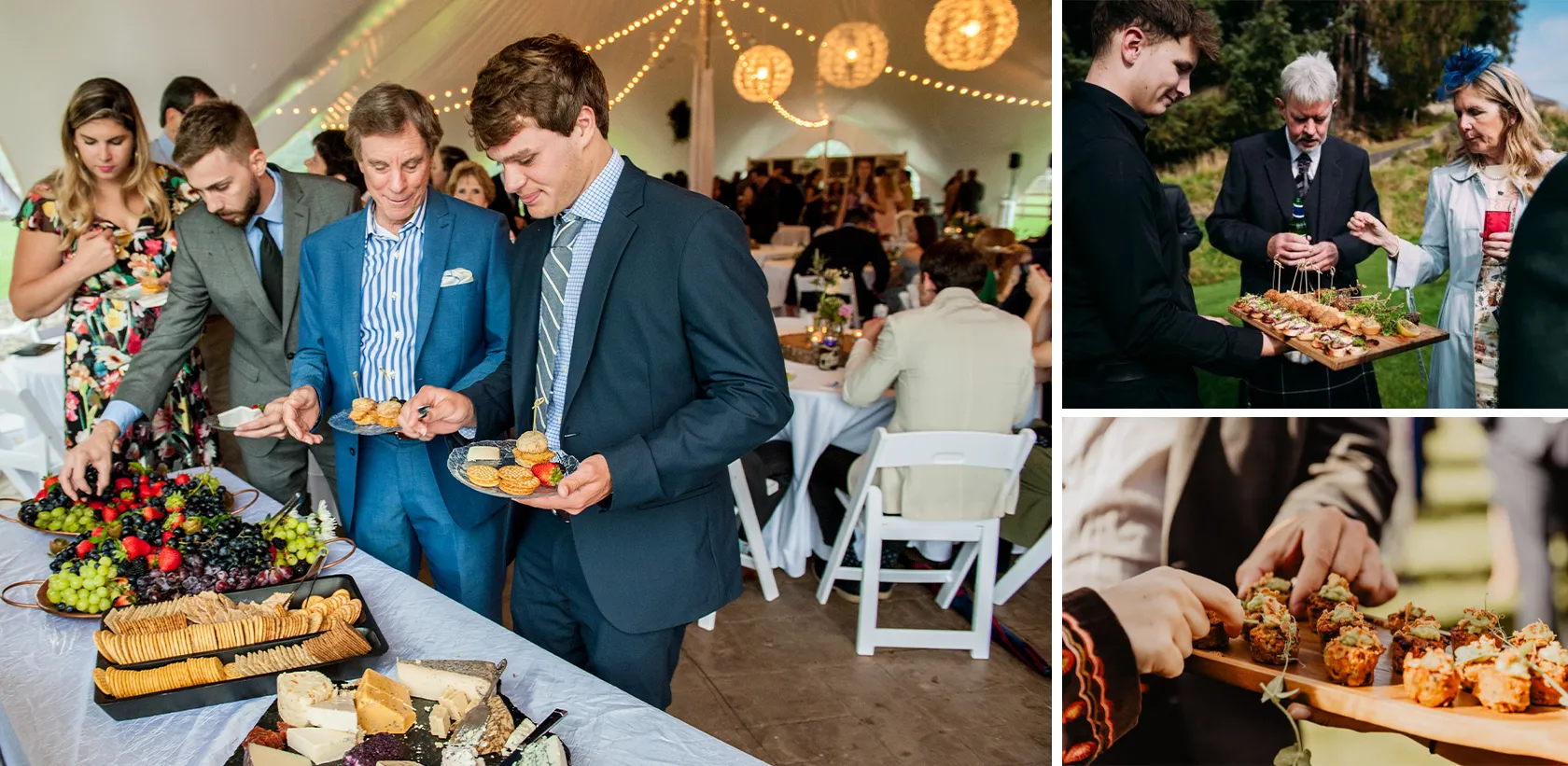

A great wedding catering menu in 2026 is less about choosing the most elaborate dishes and more about creating a reception meal that feels intentional. Couples are increasingly looking for food that is polished enough for a celebration but familiar enough that guests actually enjoy it. That can mean elevated comfort food, global influences, seasonal ingredients, interactive stations, or a thoughtfully designed buffet.
A menu for San Francisco weddings can also reflect the city's diverse culinary influences without becoming overly complex. It's all about balance: memorable flavors, practical service, dietary flexibility, and a seamless reception experience from cocktail hour to dinner.
Start With a Menu Philosophy, Not a Dish List
Decide what you want your guests to experience before choosing each dish. There are several ways to create a strong wedding catering menu, including relaxed California-inspired dining, globally influenced comfort food, sophisticated family-style service, or an elegant buffet based on seasonal ingredients.
A common problem with this approach is selecting too many dishes that are unrelated to each other. Rather, each course or station serves a specific purpose.
The menu should also take into account the way guests move through the event. Cocktail hour can be enhanced with leftover appetizers, while the stations can encourage mingling. A plated meal creates a more structured experience, and family-style service creates a sense of community during a formal event.
Build Flavor Around Familiar Food With a Modern Edge
Couples wanting a menu that feels sophisticated without being intimidating will benefit from elevated comfort food. You can make familiar dishes better by using better ingredients, offering thoughtful accompaniments, or serving them in a more refined way.
Four menu directions that can work especially well in 2026 are:
- Elevated comfort foods: Try short rib, roasted chicken, seasonal vegetables, gourmet sliders, or a refined version of your favorite comfort food. The most effective use of these is when broad guest appeal is the priority, without sacrificing presentation.
- Global flavor combinations: Create a coherent menu by combining spices, sauces, marinades, and culinary techniques from different traditions. Multicultural couples or guests with diverse backgrounds will find this especially helpful.
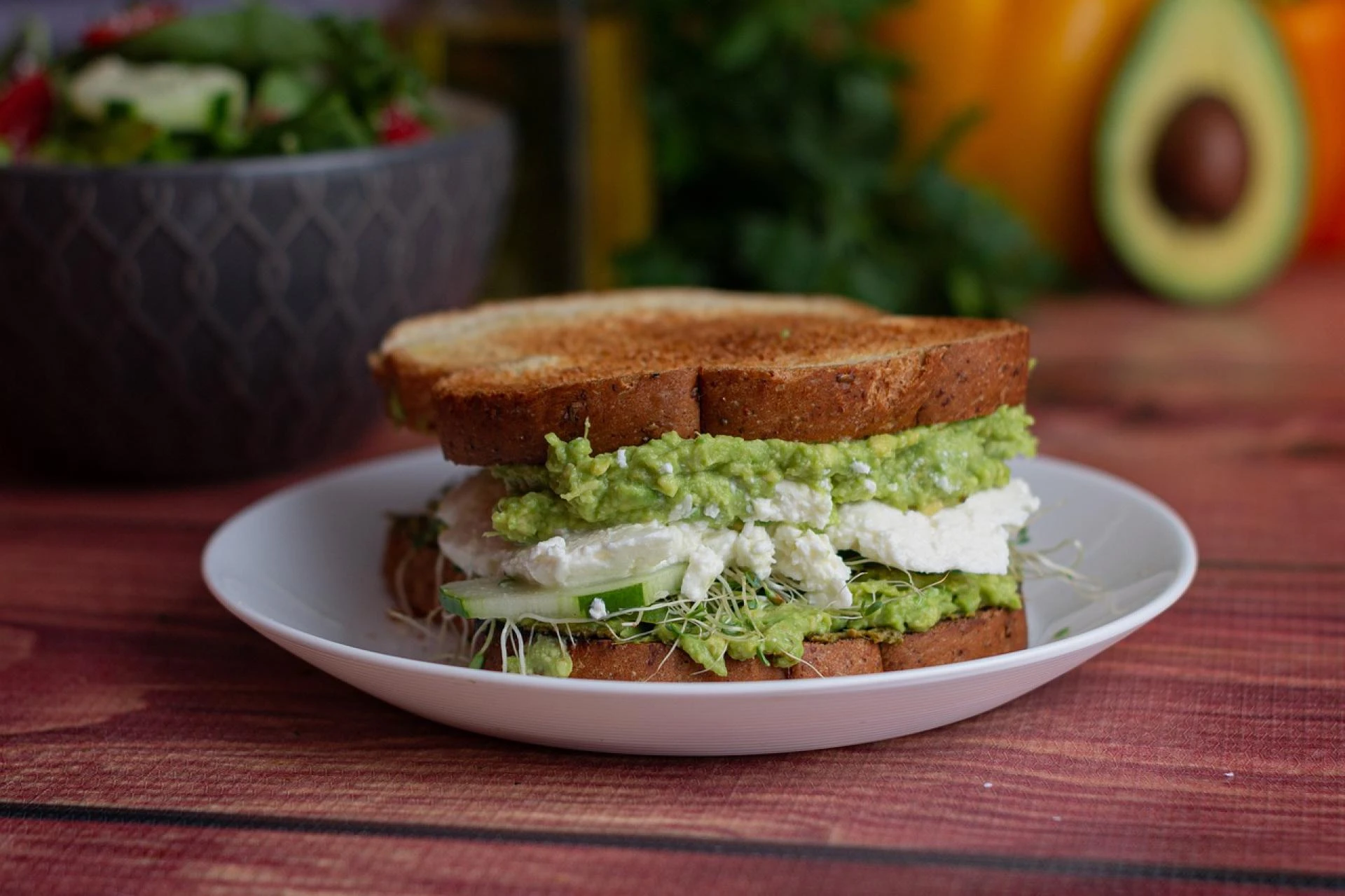
- Plant-forward dining: Provide substantial vegetarian dishes rather than just substitutions. There can be a strong focus on grain bowls, roasted vegetables, composed salads, handmade pasta, and vegetable-forward entrees on the menu.
- Seasonal California influence: Build around fresh produce and ingredients that suit the season and venue. The menu can be connected to the setting while also providing couples with a natural framework for choosing dishes.
No rule says the longest wedding catering menu is necessarily the best food. While maintaining a recognizable culinary direction, it has enough contrast to keep the meal interesting.
Choose the Service Style That Fits the Reception
Depending on the way the dish is served, the same dish can create very different experiences. Whenever couples compare wedding catering services, they should also consider the format of the service along with the food itself.
Four practical service approaches to consider are:
- Plated: Suitable for structured receptions where presentation and seated dining are important. Service can run smoothly if entree selections and dietary needs are confirmed early.
- Family-style: A good option for couples who want to share and converse during the meal. A menu that includes dishes that are easy to serve communally works especially well.
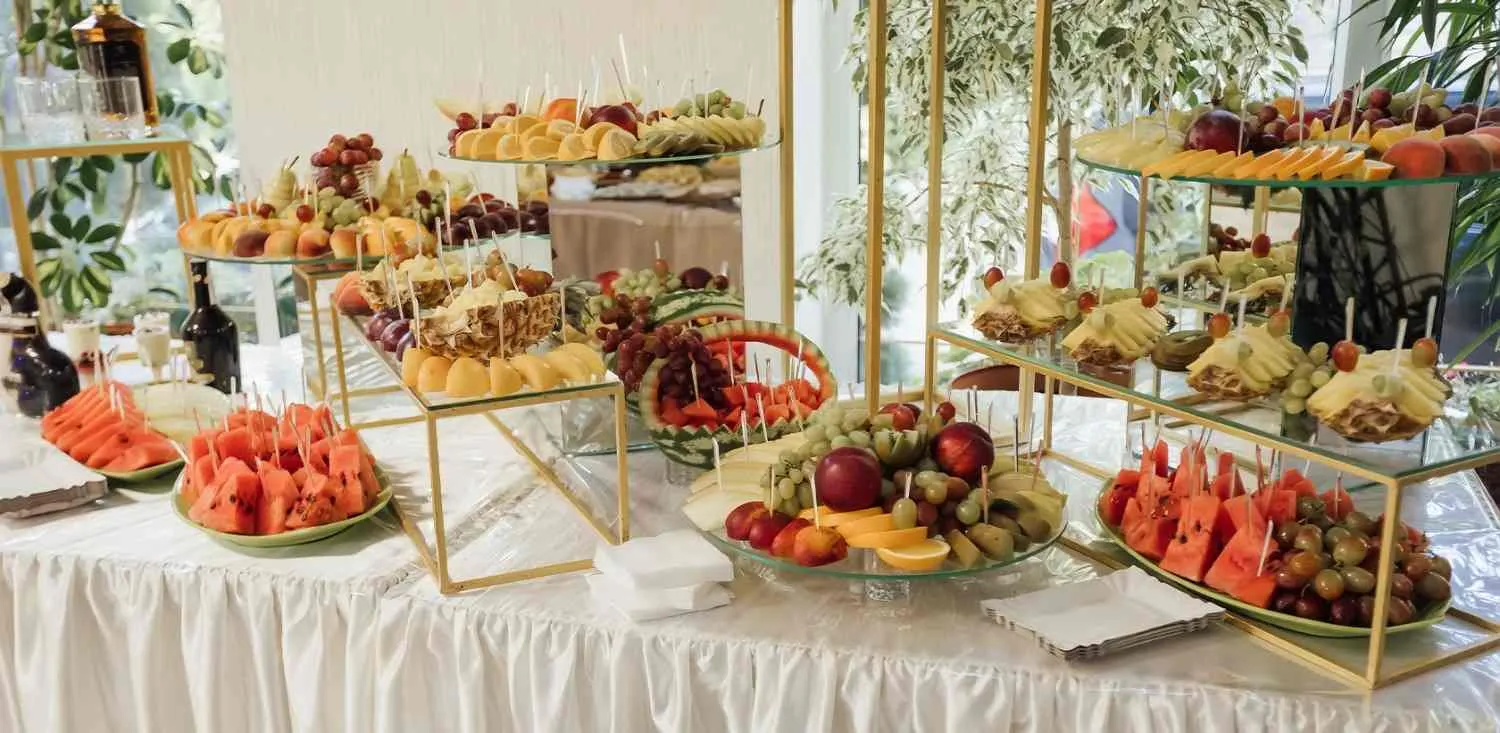
- Refined buffet: A modern buffet can feel polished when it's thoughtfully arranged, replenished consistently, and plated to match your event's theme.
- Stations or hybrid service: Provide passed appetizers with interactive stations, followed by seated courses and desserts. When the venue encourages guests to mingle, this can work well.
The best format is not universally recognized. The right choice depends on the layout of the venue, the number of guests, the event schedule, and how much movement you want during dinner.
Designing the Menu Around the Guest Experience
An excellent wedding caterer takes into account more than the couple's favorite foods. Different dietary preferences, cultural expectations, ages, appetites, and comfort levels may exist among guests.
Four guest-focused details deserve attention:
- Creating real variety: This means changing textures, temperatures, flavors, and levels of richness throughout the meal.
- Make vegetarian options substantial: Rather than being a backup option, vegetarian entrees should feel like deliberate menu choices.
- Plan for dietary clarity: Make sure that dietary meals will be identified and served without making guests uncomfortable with the caterer and venue.
- Add a late-night option when appropriate: Smaller savory bites can be useful for longer receptions, particularly after dinner when dancing and socializing continue.
Weddings in San Francisco can benefit from this flexibility because guests may have varying culinary preferences. Maintaining consistency while accommodating diversity can be accomplished with a menu.
Make the Reception Menu Feel Personal
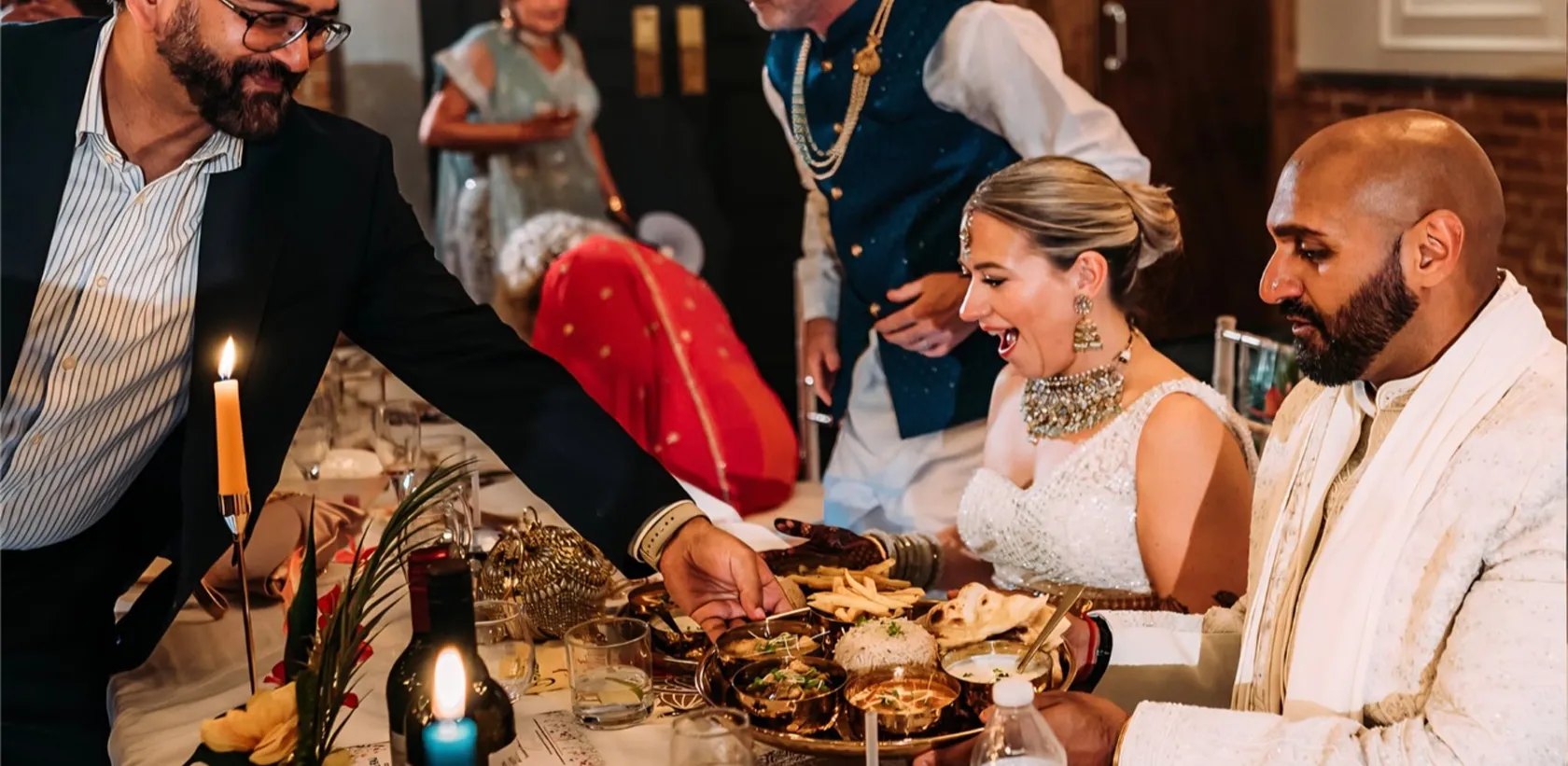
The menu for a memorable wedding reception should convey something about the couple without turning into a complicated tasting experience. A comfort dish, a family recipe, a flavor combination that means something to you, or an ingredient derived from your region can each be personalized in its own way.
A menu can also tell a story subtly. On a printed menu, a brief description can explain why a particular dish was chosen. Signature appetizers can be inspired by a favorite cuisine. You can recreate a childhood favorite while giving it a more polished presentation.
You should ask how much flexibility is included in your wedding catering package when discussing it with the vendor. Menu customization, service style, cocktail-hour selection, dietary accommodations, dessert, late-night food, staffing, and venue requirements should be discussed.
Couples can discuss the menu preferences, guest needs, and service style with Kanteen Catering as part of their planning conversation.
A Practical Formula for Building Your 2026 Menu
Build the reception in layers rather than choosing dishes one at a time. Decide where variety matters most based on the overall guest experience.
The menu for a balanced wedding food catering plan might begin with several cocktail-hour bites, followed by a main meal with complementary sides. A station may be added if interaction is important, and dessert and a late-night option may be considered based on the length and style of the reception.
There is a simple question to ask: Are guests going to understand the menu? Will there be enough variety? Can dietary needs be handled confidently? Does the service format fit in the space? And does the food feel like it belongs at this particular wedding?
Final Takeaway
A wedding catering menu that is most suitable for 2026 is not determined by a particular trend or collection of dishes. Food fits the couple, the guests, the venue, and the flow of the celebration.
Prepare a clear culinary direction, incorporate familiar favorites with new flavors, select a service style that complements the reception, and include dietary considerations from the start. Couples considering professional support may want to talk to Kanteen Catering about menu preferences, guest needs, service format, and venue requirements. This will help put together a cohesive reception menu based on individual food ideas.
FAQs
1. How far in advance should couples finalize a wedding catering menu in San Francisco?
Couples should begin menu discussions well before the wedding date, especially if the reception has a large guest list, complex dietary requirements, or a customized service format. Final timing depends on the caterer, venue, guest count, and event details, so confirm deadlines directly with the professionals involved.
2. What makes a wedding catering menu feel elevated without becoming overly formal?
Balance familiar dishes with refined presentation and thoughtful ingredients. Elevated comfort food, seasonal produce, composed appetizers, and polished sauces can create a sophisticated experience without making guests feel that the food is overly complicated.
3. Is a wedding buffet a good choice for a modern reception?
Yes. A wedding buffet can work very well when variety, guest choice, and a relaxed atmosphere are priorities. The quality of the experience depends heavily on menu design, presentation, replenishment, guest flow, and how the buffet fits into the venue.
4. How can couples combine global flavors without making the menu feel disconnected?
Choose a small number of complementary influences rather than trying to represent every cuisine. Repeating related ingredients, sauces, spices, or preparation styles can create a menu that feels diverse but still cohesive.
5. What should couples include for guests with different dietary preferences?
Start with naturally inclusive dishes and make sure vegetarian and other dietary options are substantial. Discuss dietary requirements with the caterer early, including how meals will be prepared, identified, and served at the reception.

















Sign in to leave a comment.