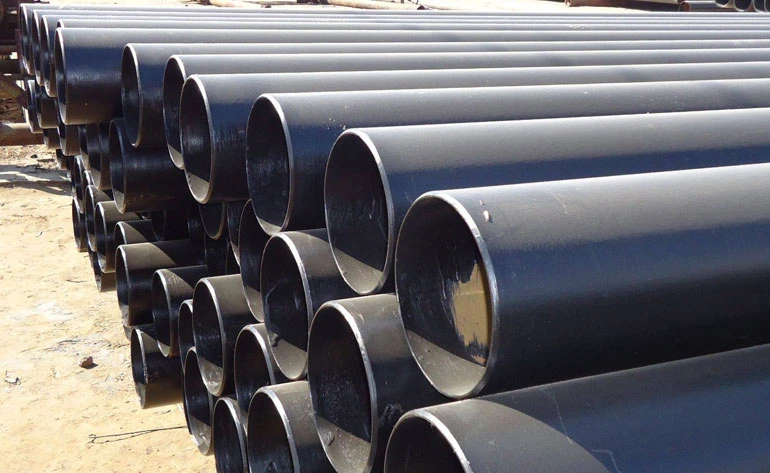

What are Carbon Steel Seamless Pipes?
Carbon steel seamless pipes are made from high-quality carbon steel, which is an alloy of iron and carbon. The carbon content in these pipes can range from 0.12% to 2.0%, depending on the requirements of the application. These pipes are manufactured by either hot or cold rolling of a billet, which results in a seamless pipe without any welding or joints. Carbon Steel Seamless Pipes are a type of pipe that is commonly used in various industries due to their numerous advantages. They are made from high-quality carbon steel, which makes them strong, durable, and resistant to wear and tear.
Advantages of Carbon Steel Seamless Pipes
Carbon steel seamless pipes offer several advantages over other types of pipes. Firstly, their seamless design makes them more durable and less prone to leaks. Secondly, they are easy to install and require less maintenance. Thirdly, carbon steel seamless pipes are resistant to corrosion, high pressures, and high temperatures, making them ideal for use in various industries.
Applications of Carbon Steel Seamless Pipes
Carbon steel seamless pipes are used in a wide range of industries, such as oil and gas, petrochemicals, power generation, construction, and automotive. In the oil and gas industry, these pipes are used to transport oil and gas from offshore rigs to onshore refineries. In the petrochemical industry, carbon steel seamless pipes are used for chemical processing and storage. In power generation, they are used for the transportation of steam and gas. In construction, these pipes are used for structural purposes, such as building supports, and in automotive, they are used for manufacturing exhaust systems, steering, and suspension systems.
Types of Carbon Steel Seamless Pipes
There are three types of carbon steel seamless pipes: hot-rolled, cold-rolled, and cold-drawn. Hot-rolled pipes are manufactured by heating a billet to a temperature above its recrystallization temperature and then rolling it into a metal sheet. Cold-rolled pipes are manufactured by rolling a metal sheet at room temperature. Cold-drawn pipes are made by pulling a metal sheet through a die that reduces the diameter of the pipe.
























Sign in to leave a comment.