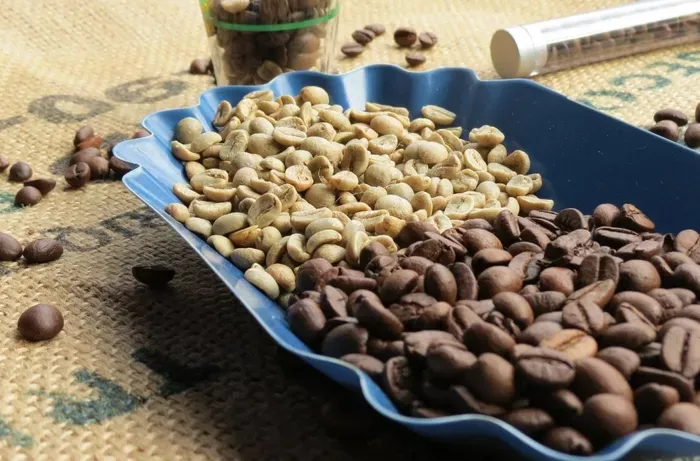

Decaf coffee beans are regular coffee beans that have undergone a process to remove most of their caffeine content. Although many people assume decaf coffee is completely caffeine-free, the reality is slightly different. Decaffeinated coffee still contains a very small amount of caffeine, but far less than regular coffee. For people who love the flavor of coffee but want to limit caffeine intake, decaf coffee beans provide an appealing option.
In this guide, you will learn everything about decaf coffee beans. We will explore what they are, how caffeine is removed, the different decaffeination methods, flavor differences, health considerations, and how to choose the best decaf beans.
What Are Decaf Coffee Beans?
Decaf coffee beans are coffee beans that have had most of their caffeine removed before roasting. These beans typically come from the same coffee plants as regular coffee, usually from the Arabica or Robusta species. The difference lies in the processing stage.
During decaffeination, green coffee beans are treated using water, carbon dioxide, or specialized solvents to extract caffeine molecules. After the caffeine removal process, the beans are dried and roasted just like normal coffee beans.
To be labeled as decaffeinated in many countries, coffee must have at least 97 percent of its caffeine removed. In the United States, the requirement is even stricter, often around 97 to 99 percent removal.
Despite this high percentage, decaf coffee still contains trace amounts of caffeine. A typical cup of decaf coffee may contain between 2 and 7 milligrams of caffeine, while a regular cup often contains between 70 and 140 milligrams.
This means decaf coffee beans are not entirely caffeine-free, but they provide a significantly lower caffeine option.
Why People Choose Decaf Coffee
Sensitivity to Caffeine
Some individuals are more sensitive to caffeine than others. Even small amounts can lead to jitteriness, anxiety, headaches, or digestive discomfort. Drinking decaf coffee allows these people to enjoy coffee without experiencing unpleasant side effects.
Better Sleep
Caffeine can remain in the body for several hours. For people who enjoy drinking coffee later in the day, switching to decaf can help prevent sleep disruption.

Medical or Health Reasons
Certain medical conditions may require reduced caffeine consumption. Doctors sometimes recommend decaf coffee for people with heart rhythm problems, acid reflux, or pregnancy-related caffeine restrictions.
Enjoying Coffee Without the Stimulation
Some people simply enjoy the taste and ritual of coffee but do not want the stimulant effects of caffeine. Decaf coffee beans make that possible.
How Decaf Coffee Beans Are Made
Decaffeination occurs before the beans are roasted. The process begins with raw green coffee beans that have not yet been roasted. These beans are soaked, steamed, or treated in ways that allow caffeine to be extracted while preserving other compounds responsible for flavor and aroma.
The goal of decaffeination is to remove caffeine while keeping the oils, acids, and sugars that give coffee its unique taste.
There are several major decaffeination methods used in the coffee industry today.
Swiss Water Process
The Swiss Water Process is one of the most well-known chemical-free decaffeination methods. This technique relies on water, temperature, and time to remove caffeine.
The process begins by soaking green coffee beans in hot water, which dissolves caffeine and other soluble compounds. The water then passes through a special carbon filter that captures caffeine molecules while allowing flavor compounds to remain.
New batches of coffee beans are soaked in this caffeine-free solution. Because the water already contains coffee flavor compounds, only caffeine continues to dissolve from the beans.
This method preserves flavor well and avoids chemical solvents, making it popular among specialty coffee roasters.
Carbon Dioxide Process
The carbon dioxide method uses compressed CO₂ to extract caffeine from coffee beans. Under high pressure, carbon dioxide acts as a solvent that selectively dissolves caffeine molecules.
Green coffee beans are placed in a sealed chamber and exposed to pressurized CO₂. The caffeine binds with the carbon dioxide and is then separated from the beans.
This technique preserves flavor and aroma while effectively removing caffeine. It is commonly used for large-scale commercial decaffeination.

Solvent-Based Methods
Some decaf coffee beans are produced using specialized food-safe solvents such as ethyl acetate or methylene chloride.
In this method, beans are steamed or soaked in water to open their pores. The solvent is then applied to dissolve caffeine. After extraction, the beans are thoroughly rinsed and dried.
Although the word “solvent” may sound concerning, these substances are used in extremely small quantities and must meet strict food safety regulations. Most of the solvent evaporates during processing and roasting.
Do Decaf Coffee Beans Taste Different?
One of the most common questions about decaf coffee beans involves flavor. Historically, decaf coffee had a reputation for tasting weak or flat. Early decaffeination processes removed not only caffeine but also flavor compounds.
However, modern technology has dramatically improved the taste of decaf coffee.
High-quality decaf beans can retain much of the original flavor profile of the coffee. Factors such as bean origin, roasting style, and brewing method still influence the final taste.
That said, some subtle differences may still exist. Decaf coffee may have slightly lower acidity and a smoother profile compared to regular coffee. Some drinkers describe it as milder or less bright.
For many people, the difference is small enough that it becomes barely noticeable.
Caffeine Content in Decaf Coffee
Although decaf coffee beans have most caffeine removed, they still contain trace amounts.
A standard cup of brewed coffee typically contains:
70–140 mg caffeine
A standard cup of decaf coffee typically contains:
2–7 mg caffeine
This means decaf coffee still delivers a tiny amount of caffeine but significantly less than regular coffee.
For most people trying to reduce caffeine intake, this amount is negligible.
Health Benefits of Decaf Coffee Beans
Antioxidant Content
Coffee contains antioxidants such as polyphenols and hydrocinnamic acids. These compounds help neutralize harmful free radicals in the body.
Decaf coffee still retains many of these antioxidants, meaning it may offer similar protective benefits.
Lower Risk of Sleep Disturbance
Because decaf contains minimal caffeine, it is less likely to interfere with sleep cycles. This makes it a good option for evening coffee drinkers.
Gentler on the Nervous System
For individuals prone to caffeine-induced anxiety or jitteriness, decaf coffee beans allow them to enjoy coffee without overstimulating the nervous system.
Potential Heart Benefits
Some studies suggest coffee consumption may support heart health due to its antioxidant compounds. Decaf coffee may offer some of these benefits while reducing caffeine-related heart stimulation.

Are Decaf Coffee Beans Completely Caffeine-Free?
No coffee bean is entirely caffeine-free unless caffeine is removed completely through specialized laboratory processes. Most decaf coffee beans still contain small amounts of caffeine.
Regulations generally require around 97 percent caffeine removal. Because of this standard, trace caffeine remains.
However, the amount is extremely small compared with regular coffee.
Types of Decaf Coffee Beans
Arabica Decaf Beans
Arabica beans are known for smoother flavor, balanced acidity, and complex aroma. Most premium decaf coffee uses Arabica beans because they preserve flavor better during decaffeination.
Robusta Decaf Beans
Robusta beans contain more caffeine naturally. They often have stronger bitterness and heavier body. Some decaf blends include Robusta to create bolder flavors.
Single-Origin Decaf
Single-origin decaf beans come from a specific country or region. They highlight unique flavor characteristics associated with that location.
Decaf Blends
Blends combine beans from different origins to create a balanced flavor profile.
How to Choose High-Quality Decaf Coffee Beans
Look for Fresh Roasting
Freshly roasted decaf beans produce better flavor and aroma than beans that have been stored for long periods.
Check the Decaffeination Method
Many coffee enthusiasts prefer Swiss Water or CO₂ decaffeination methods because they preserve flavor and avoid chemical solvents.
Consider Bean Origin
The origin of the beans strongly influences flavor. Beans from Ethiopia may taste fruity and floral, while beans from Brazil may taste chocolatey and nutty.
Buy Whole Beans When Possible
Whole beans stay fresh longer than pre-ground coffee. Grinding just before brewing helps preserve aroma and flavor.
Conclusion
Decaf coffee beans provide a valuable option for people who enjoy coffee but prefer to reduce caffeine intake. Through specialized decaffeination processes, most caffeine can be removed while preserving the flavor and aroma that coffee lovers appreciate.
Modern decaf coffee has improved dramatically in quality, thanks to advancements in processing and roasting techniques. High-quality decaf beans can taste nearly identical to regular coffee, allowing drinkers to enjoy rich flavors without the stimulating effects of caffeine. With careful selection and proper brewing, decaf coffee can deliver a delicious cup that rivals traditional coffee.
























Sign in to leave a comment.