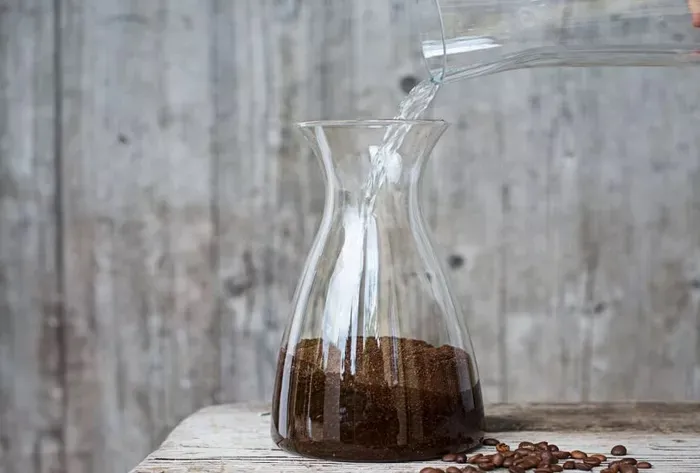

Cold brew coffee has become one of the most popular brewing methods among coffee enthusiasts and professionals alike. Its smooth taste, low acidity, and naturally sweet flavor profile distinguish it from traditional hot brewing techniques. However, one critical factor determines whether a cold brew turns out rich and balanced or unpleasantly bitter: the grind size.
Among all grind sizes available for coffee preparation, a coarse grind is widely recommended for cold brew. Many beginners wonder why coarse grind is preferred instead of the medium or fine grind used in other brewing styles. This article explores the science and practical reasons behind using coarse grind for cold brew. We will examine the extraction process, the role of grind size, the impact on flavor and clarity, brewing efficiency, and how different grind sizes influence the final cup.
What is Coffee Grind Size
Coffee grind size refers to the size of the coffee particles produced when whole beans are ground. The grind can range from extremely fine powder to large, chunky particles. Each brewing method requires a specific grind size because the rate of extraction depends heavily on how much surface area of the coffee is exposed to water.
The most common grind categories include:
Extra Fine: Powder-like texture, commonly used for certain traditional brewing methods.
Fine: Similar to table salt, typically used for espresso.
Medium: Resembling sand, suitable for drip coffee makers.
Medium-Coarse: Slightly rough texture used for some manual brewing methods.
Coarse: Large particles resembling sea salt or raw sugar, commonly used for immersion brewing methods like cold brew.
The relationship between grind size and brewing method is based on extraction time. Smaller particles extract faster because they have more exposed surface area. Larger particles extract slower, allowing longer brewing without over-extraction.
The Role of Surface Area in Extraction
Surface area plays a crucial role in determining how quickly flavor compounds dissolve into water. When coffee beans are ground into smaller particles, they expose more surface area to water. This accelerates extraction, meaning flavors and soluble compounds dissolve quickly.
Fine grounds therefore release flavors rapidly. That is ideal for short brewing methods like espresso, where water contacts coffee for only about 25–30 seconds. However, if fine grounds are left in water for extended periods, they extract too many compounds and produce unpleasant bitterness.
Coarse grounds, on the other hand, expose less surface area. This slows down the extraction rate. Because cold brew involves steeping coffee for many hours, the slower extraction of coarse grounds creates a balanced flavor rather than an over-extracted one.

Why Coarse Grind Is Best for Cold Brew Coffee?
Prevents Over-Extraction
The most important reason to use coarse grind for cold brew is to prevent over-extraction. When coffee particles are too small, they release their soluble compounds quickly. During a 12–24 hour steep, fine grounds would continue releasing bitter and astringent compounds long after the desirable flavors have been extracted.
Coarse grounds slow down this process. Their larger particle size limits the amount of surface area exposed to water. This gradual extraction keeps the flavor balanced even during long brewing times.
Produces a Smoother Flavor Profile
Cold brew is famous for its smooth, mellow taste. Compared to hot coffee, it typically contains lower perceived acidity and bitterness. Using coarse grind contributes significantly to this smooth character.
Because coarse particles extract slowly, they emphasize sweet and chocolatey notes rather than sharp acidic or bitter flavors. The result is a beverage that tastes naturally rounded and refreshing.
Improves Filtration and Clarity
Another advantage of coarse grind is improved filtration. Cold brew is often filtered through cloth, paper, or metal filters after steeping. If the coffee grounds are too fine, they can pass through the filter and create sediment in the final drink.
Fine sediment produces a gritty texture and cloudy appearance. Coarse grounds are easier to separate from the liquid, producing a cleaner and clearer cold brew concentrate.
Reduces Sludge Formation
When fine grounds are immersed in water for long periods, they can form a thick layer of sludge at the bottom of the brewing container. This makes filtration difficult and often wastes coffee because much of the liquid becomes trapped in the sediment.
Coarse grounds maintain better structural integrity and do not compact as tightly. This allows water to circulate more freely and ensures a more efficient brewing process.
Flavor Impact of Grind Size in Cold Brew
Fine Grind Flavor Issues
If fine grind is used for cold brew, several flavor problems may occur. The coffee can become excessively bitter because too many alkaloids and tannins are extracted during the long steep.
Fine grounds may also create a muddy texture and overly heavy body. Instead of the clean smoothness cold brew is known for, the drink may taste harsh and unpleasant.
Medium Grind Limitations
A medium grind performs better than fine grind in cold brew but still presents challenges. Medium particles expose more surface area than coarse particles, so extraction happens faster. This can lead to a slightly over-extracted flavor if the brewing time is long.
Additionally, medium grind may still produce some sediment during filtration, particularly when using metal filters.

Coarse Grind Flavor Advantages
Coarse grind produces the most balanced cold brew flavor. The slow extraction emphasizes cocoa, caramel, nutty, and chocolate notes. These flavors develop gradually over the long steep without becoming overpowering.
The result is a drink that tastes smooth, slightly sweet, and refreshingly low in bitterness.
Recommended Grind Size for Cold Brew
Texture Comparison
A proper coarse grind resembles raw sugar or coarse sea salt. The particles should be large and uneven but not so large that they resemble cracked beans.
Many coffee professionals recommend a grind slightly coarser than what is used for French press brewing. This size provides an optimal balance between extraction speed and filtration efficiency.
Grinder Selection
The type of grinder used also affects grind consistency. Burr grinders are generally preferred over blade grinders because they produce more uniform particles.
Uniform grind size ensures that all coffee particles extract at roughly the same rate. This consistency improves flavor balance and prevents some particles from over-extracting while others remain under-extracted.
Cold Brew Brewing Time and Grind Size
Typical Steeping Duration
Cold brew is typically steeped for 12 to 24 hours. During this time, water gradually extracts soluble compounds from the coffee grounds. Because the process is slow, grind size must be carefully chosen to maintain balance.
Coarse grind aligns perfectly with this long steeping time. It allows flavor extraction to occur gradually without becoming overwhelming.
Adjusting Grind for Brew Time
Some brewers experiment with slightly different grind sizes depending on brewing duration. For shorter cold brew times, a slightly smaller grind may be used to increase extraction speed.
However, for traditional long steeping methods, coarse grind remains the safest and most reliable choice.

Common Mistakes When Grinding Coffee for Cold Brew
Grinding Too Fine
One of the most frequent mistakes beginners make is grinding coffee too finely for cold brew. This leads to bitterness, cloudiness, and filtration difficulties.
Using Inconsistent Grind
Blade grinders often produce uneven particles. Some become powder while others remain large chunks. This inconsistency causes uneven extraction.
Grinding Too Early
Coffee begins losing aroma immediately after grinding. For the best cold brew flavor, beans should be ground shortly before brewing.
Conclusion
The preference for coarse grind in cold brew coffee is not arbitrary. It is rooted in the science of extraction, brewing time, and flavor balance. Because cold brew relies on long immersion with cold water, the extraction process must be controlled carefully to avoid bitterness and maintain smoothness.
Coarse grind provides the ideal solution. Its larger particles slow extraction, emphasize sweet and chocolatey notes, improve filtration, and produce a clean and balanced beverage. Ultimately, mastering cold brew begins with choosing the right grind. A properly coarse grind ensures that the long brewing process transforms simple coffee beans into a smooth, refreshing drink with remarkable depth of flavor.



























Sign in to leave a comment.