
Fly fishing is a thrilling and satisfying way to connect with the natural world. It requires learning various equipment, including hooks. The sport uses natural and synthetic Fly Fishing Accessories tied to hooks to mimic natural food sources. This blog will discuss the types of hooks used in fly fishing.
What components make up a hook?
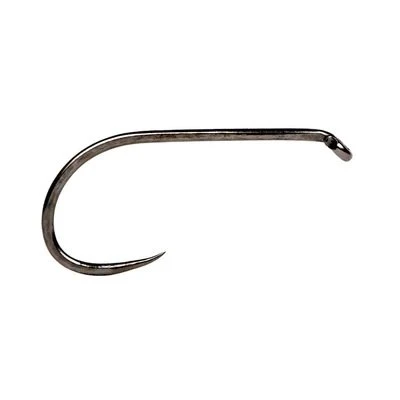
Fly fishing is often done with hooks. Numerous hooks are designed to meet your specific purpose, needs, and fly fishing preferences. Fly fishing hooks consist of six elements: eye, shank, bend, gap, barb, and point.
What kinds of fly-fishing hooks are there?
There are numerous types of fly-fishing hooks. The best hook for you depends on factors such as the fly you're using, the target species, and whether you want to eat or release your catch. Let's look at some different types of fly fishing hooks and see which one might be best for your needs.
Wet Fly HooksWet fly hooks come in three grades: heavy, medium, and lightweight. They are designed to sink lower than a dry hook and come in a variety of shapes to fit patterns ranging from nymphs to wet flies. The standard wet fly hook size ranges from 8 to 22.
Scud HooksScud hooks are intended to attach larvae and crustacean-shaped lures. Their short and curved body resembles that of a shrimp, so the shank is significantly more curved than the other hooks. It is used in a wide range of patterns. These hooks are typically available in a wide range of sizes, from size 6 to size 22.
Dry Fly HooksDry fly hooks are best used for dry flies. They are light in weight, sharp, and streamlined, so they sail cleanly through the air and float nicely and high when the appropriate materials are added. When used with the proper dubbing, a dry fly will float to the ideal height to attract the attention of nearby trout. Standard dry fly hook sizes range from 10 to 26. One example of these categories is Fasna Hooks.
Nymph HooksNymph hooks are typically straight in shape, with a wide gap that can be as wide as the hook's length. They can be barbed or barbless, and they are commonly used to attach pheasant tails to attract trout. Standard Nymph Hook sizes range from 6 to 22. One example of these hooks is Hanak 450.
Streamer HooksStreamer hooks typically range in size from 4 to 12 and are much larger than hooks used for nymphs, dry flies, and wet flies. Modern streamer designs now incorporate articulated hook designs, resulting in two sets of hooks on each fly to add movement and increase the hook-up percentage.
Jig hooksJig hooks tend to hook trout in the top or corner of the mouth, allowing you to catch more fish with jigged nymphs. It offers more weight options. An example includes Firehole 516 hooks.
Note: Hooks are sized numerically, with smaller numbers indicating larger hooks and larger numbers indicating smaller hooks.
Conclusion
Although you can fly fish without hooks, they are an important part of fly tying materials. Hopefully, this blog will help you understand a fly fishing hook and which one is best for your specific needs.
If you want to buy fly-tying hooks, then get the best-quality fly-fishing hooks at First Drift Fly Co.

























Sign in to leave a comment.