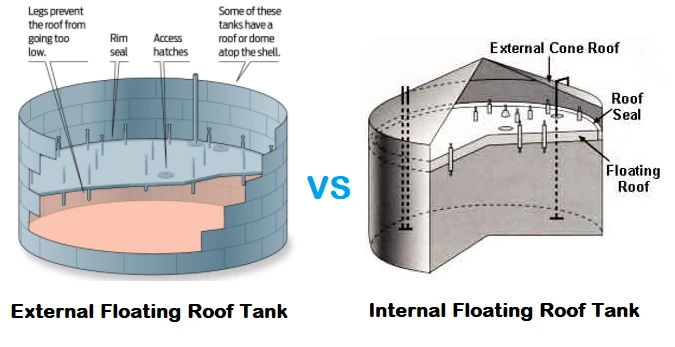

Internal Floating (Fir) is the essential component used in industrial storage tanks to control vapor emissions and minimize product losses.
These specialized roof structures float on the surface of liquids stored within the tanks, rising and falling with the liquid level. By sealing the space between the roof and the tank shell, they create a barrier that reduces evaporation and emission of volatile substances.
When it comes to storing volatile liquids such as petroleum products, crude oil, or chemicals, the prevention of vapor emissions is crucial for safety, environmental protection, and economic reasons. Internal Floating Roofs (Fir) have emerged as effective solutions that address these concerns.
In this article, we will explore the concept of Fir’s, its benefits, various types, components, installation, regulations, challenges, and maintenance practices.
What is Internal Floating (Fir)?
Internal Floating Roofs (Fir’s) are specialized roof structures designed to float on the liquid surface within storage tanks. They are commonly used in large atmospheric storage tanks, such as those found in the oil and gas industry, refineries, and chemical plants. Firs are typically constructed from lightweight materials that provide buoyancy, allowing them to rise and fall with the liquid level in the tank.
Benefits of Internal Floating
Vapor Control
One of the primary benefits of Internal Floating is their ability to control vapor emissions. By floating on the liquid surface, Fir reduces the exposed surface area of the stored liquid, minimizing evaporation and loss of volatile substances. This is especially important for volatile organic compounds (VOCs) that can contribute to air pollution and pose health risks.
Environmental Protection
Fir’s play a vital role in protecting the environment. By reducing vapor emissions, they help in preventing the release of harmful substances into the atmosphere. This is particularly significant in industries where the stored liquids may contain toxic or hazardous components. The use of IFRs contributes to maintaining air quality and mitigating the impact on surrounding ecosystems.
Cost Savings
Implementing Internal Floating can lead to significant cost savings for storage tank operators. By minimizing evaporation and product losses, Fir helps preserve valuable resources. Moreover, reduced emissions often translate into compliance with emission control regulations, avoiding potential penalties or fines. Additionally, Fir can extend the lifespan of tanks by minimizing corrosion caused by contact with air and reducing the formation of sludge.
Types of Internal Floating Roofs
There are several types of Internal Floating, each designed to suit specific storage requirements and conditions. Let's explore some common types:
Full Contact Fir’s
Full Contact IF Rs, also known as "pan-type" or "double-deck" roofs, feature a deck that remains in constant contact with the stored liquid surface. These roofs consist of a buoyant deck supported by vertical legs attached to the tank floor. The deck moves vertically as the liquid level changes, maintaining contact with the liquid surface to prevent vapor space above the deck.
Pontoon fir’s
Pontoon IF Rs are constructed using multiple pontoons or chambers that are connected and float on the liquid surface. These pontoons provide buoyancy and stability to the floating roof. Pontoon IFRs are versatile and suitable for a wide range of products and tank sizes. They are often used in tanks where the stored liquids exhibit lower vapor pressures.
Floating Pan fir
Floating Pan first consists of a series of interconnected, hollow pans that float on the liquid surface. The pans are designed to accommodate the thermal expansion and contraction of the liquid. This type of IFR is commonly used in tanks storing products with high vapor pressures or those subject to significant temperature variations.
Components of Internal Floating
Internal Floating are composed of various components that ensure their proper functioning and efficiency. Let's take a closer look at these components:
Decking
The decking of an Internal Floating Roof serves as the primary structure that floats on the liquid surface. It provides the necessary buoyancy and acts as a barrier to minimize vapor emissions. Decking materials are carefully selected to withstand exposure to the stored liquid, resist corrosion, and maintain structural integrity.
Seals
Seals are crucial components of fir that help maintain a proper seal between the floating roof and the tank shell. They prevent the escape of vapors and limit air ingress. Various types of seals, such as primary seals and secondary seals, are used to achieve an effective vapor containment system.
Rim Seals
Rim seals are specialized seals installed around the outer rim of the floating roof. They provide an additional barrier against vapor leakage, particularly at the rim-to-shell interface. Rim seals are critical for ensuring the integrity of the vapor control system and minimizing emissions.
Installation and Maintenance of Internal Floating
The proper installation and regular maintenance of the Internal Floating Roof are essential for its effective performance and longevity. Let's explore the key aspects of installation and maintenance:
Installation Process
The installation process of an Internal Floating Roof involves careful planning and adherence to industry standards and guidelines. It typically includes preparing the tank, ensuring cleanliness, and installing the necessary components, such as the deck, seals, rim seals, and drainage systems. Proper installation techniques are crucial to achieving an optimal vapor control system.
Maintenance Practices
Regular maintenance is crucial to ensure the continued functionality and safety of Internal Floating. Maintenance practices may include inspections, cleaning, seal replacement, rim seal maintenance, and addressing any issues related to the roof's buoyancy. Following manufacturer recommendations and industry best practices is essential to maintain
Conclusion
In conclusion, Internal Floating Roofs (fir’s) play a vital role in the storage of volatile liquids, providing significant benefits in terms of vapor control, environmental protection, and cost savings. These specialized roof structures effectively reduce vapor emissions and minimize product losses, ensuring safety, regulatory compliance, and resource conservation.



Sign in to leave a comment.