
You have heard about invisible braces. You have probably seen someone wearing them without even realising it. And you have wondered whether they actually work, whether they are right for your teeth, and whether the cost is worth it.
If you are researching invisible braces treatment in Jamshedpur for the first time, this guide is written specifically for you. No jargon, no assumptions, just a clear and complete explanation of what clear aligner therapy involves, how it works, who it suits, what the journey looks like, and how to choose the right provider to get the results you are hoping for.
What Are Invisible Braces, Exactly?
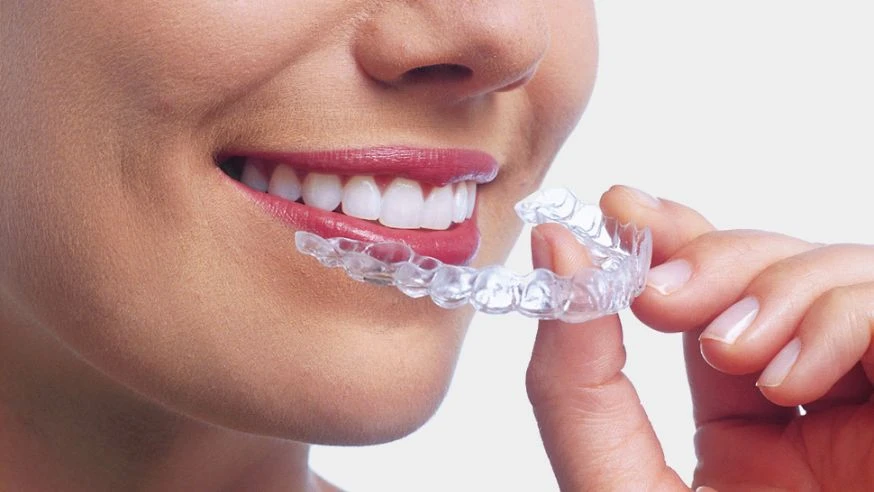
Invisible braces, more accurately called clear aligners, are a series of custom-made, removable plastic trays that progressively shift your teeth into their correct positions. Each tray in the series is slightly different from the last, guiding the teeth through a series of small, incremental movements that cumulatively produce a fully aligned smile.
Unlike traditional metal braces, which use brackets bonded to the teeth and metal wires to generate movement, clear aligners work without any metal components. The trays are made from a smooth, medical-grade thermoplastic material and fit snugly over the entire arch of teeth. When worn, they are virtually invisible from a conversational distance, which is the primary reason they have become enormously popular among adults and older teenagers who want to straighten their teeth without the visible hardware of conventional braces.
The science behind aligners is the same as the science behind all orthodontic treatment: consistent, gentle pressure on the teeth stimulates bone remodelling that allows teeth to move through the jaw. What differs is the delivery mechanism. Instead of a wire generating continuous force, each aligner tray applies precise, controlled pressure to specific teeth in the planned sequence.
How Does Clear Aligner Therapy Work?
Step 01 Consultation and Digital Smile Assessment
The journey begins with a consultation at a dental clinic in jamshedpur offering clear aligner treatment. During this appointment, the orthodontist or dentist examines your teeth, bite, and jaw, takes X-rays, and uses a digital intraoral scanner to create a precise three-dimensional model of your teeth. There are no messy impression putty trays involved in modern aligner practice, just a small handheld scanner that maps every contour of your teeth in minutes.
The digital model is used to design your treatment digitally. Using specialist software, the tooth movements required to achieve your target alignment are mapped out in a sequence from start to finish. You are typically shown a 3D simulation of your expected tooth movement progression and final result before any aligners are manufactured. This gives you a clear, realistic preview of what your smile will look like at the end of treatment.
Step 02 Aligner Fabrication
Once the digital treatment plan is approved, the full series of aligners is manufactured. Each tray is CNC-milled or 3D-printed from high-quality thermoplastic to the exact specifications of the digital plan. A full treatment series may consist of anywhere from 10 to 50 or more individual trays depending on the complexity of the case and the amount of movement required.
Step 03 Fitting and Attachments
At your fitting appointment, the first set of aligners is checked for fit and comfort. At this stage, many patients also have small tooth-coloured composite resin bumps called attachments bonded to specific teeth. Attachments are designed features of the treatment plan that give the aligner tray additional grip and leverage on specific teeth, enabling more complex movements like rotation and vertical shifts that smooth aligner surfaces alone cannot reliably achieve.
Attachments are placed and removed entirely painlessly, leave no permanent marks on the teeth, and are barely visible in daily life. Not every patient requires them, but for most cases beyond mild alignment, they are an important component of achieving the planned result.
Step 04 Wearing the Aligners
Each aligner tray is worn for 7 to 14 days before being swapped for the next tray in the sequence, following the schedule set by your orthodontist. The single most important rule of clear aligner therapy is compliance: the trays must be worn for 20 to 22 hours per day to achieve the planned tooth movements on schedule.
The trays are removed only for eating, drinking anything other than plain water, and oral hygiene. Every hour spent not wearing the aligners is an hour in which the planned tooth movement is not happening. Patients who consistently wear aligners for only 16 to 18 hours per day will find their treatment takes significantly longer than planned and results may be compromised.
The compliance reality: The single biggest difference between patients who get excellent results with aligners and those who are disappointed is wearing time. If you are confident you can commit to 20 to 22 hours of wear per day, aligners are an excellent choice. If your lifestyle makes this genuinely difficult, fixed braces may actually deliver a better outcome for your investment.
Step 05 Progress Appointments
Unlike traditional braces which require monthly tightening appointments, aligner patients typically attend the clinic every 6 to 10 weeks for a progress check. The orthodontist verifies that the teeth are tracking (moving as planned), makes any necessary refinements, and hands over the next batch of trays.
If any teeth are not tracking precisely, the treatment plan may be updated digitally and a new set of refinement aligners manufactured. This is a normal part of aligner therapy and is not a sign that something has gone wrong. It simply reflects the biological variability in how individual teeth respond to aligner forces.
Step 06 Retention After Treatment
Once the final aligner in the series has been worn and alignment is confirmed, the active treatment phase is complete. But this is not the end of the journey. Teeth have a natural tendency to drift back toward their original positions, driven by the elastic memory of the periodontal ligament. Retainers worn as prescribed by your dentist in jamshedpur prevent this relapse and preserve the investment of your treatment.
Most patients are prescribed a clear retainer (very similar in appearance to an aligner) to be worn full-time for the first 3 to 6 months after treatment, transitioning to night-time only wear thereafter. Consistent retainer use is non-negotiable for maintaining results long-term.
What Can Invisible Braces Treat?
Clear aligner technology has advanced considerably over the past decade, and modern aligner systems can address a broader range of cases than was possible with earlier generations of the technology. Conditions well-suited to teeth straightening with clear aligners include:
- Mild to moderate crowding: Overlapping and mildly rotated teeth in cases where the crowding does not require significant arch expansion or extractions
- Spacing and gaps: Spaces between teeth caused by missing teeth (in appropriate cases), small teeth, or jaw-tooth size discrepancies
- Mild overbite: Excessive vertical overlap of upper front teeth over lower front teeth in mild to moderate cases
- Mild to moderate overjet: Upper teeth that protrude slightly in front of the lower teeth
- Mild crossbite: One or more upper teeth sitting inside the lower teeth
- Mild open bite: Cases where the front teeth do not quite meet
- Relapse cases: Adults whose teeth shifted after completing orthodontic treatment in the past, requiring minor retreatment to restore alignment
Cases that are generally better handled by fixed braces include severe crowding requiring extractions, significant skeletal jaw discrepancies, large vertical movements, impacted teeth requiring traction, and complex bite corrections. A thorough assessment by a best orthodontist for invisible braces will give you an honest answer about whether your specific case is well-suited to aligner treatment or whether fixed braces would deliver a better result.
Invisible Braces vs Metal Braces: Which Is Right for You?
| Factor | Clear Aligners | Metal Braces |
|---|---|---|
| Visibility | Virtually invisible when worn | Clearly visible metal brackets and wires |
| Removability | Removable for eating and cleaning | Fixed, cannot be removed by patient |
| Comfort | Smooth plastic, no wire irritation | Bracket edges can irritate cheeks initially |
| Oral hygiene | Brush and floss normally after removing | Requires extra care around brackets and wires |
| Dietary restrictions | None, remove before eating | Avoid hard, sticky, and chewy foods |
| Compliance dependence | High, 20-22 hours wear daily required | Low, always working regardless of patient action |
| Case complexity | Mild to moderate cases | All levels including most complex cases |
| Appointment frequency | Every 6 to 10 weeks | Every 4 to 6 weeks |
| Treatment duration | 6 to 18 months for suitable cases | 12 to 30 months depending on complexity |
| Best suited for | Adults, professionals, mild to moderate cases | All ages, complex cases, patients needing maximum control |
The Real Benefits of Choosing Clear Aligners
For patients who are good candidates, clear aligners offer a set of genuine advantages that make the higher cost relative to basic metal braces worth considering seriously. Teeth alignment treatment with clear aligners delivers:
Confidence During Treatment
This is the most commonly cited reason patients choose aligners. For working professionals, people in client-facing roles, adults in their 30s and 40s who never had braces, or anyone who simply does not want visible hardware in their mouth for 18 months, aligners allow treatment to proceed almost entirely undetected. Most people who interact with you will never know you are wearing orthodontic appliances.
Freedom to Eat What You Want
With traditional braces, hard fruits, sticky sweets, raw vegetables, and dozens of other foods are off the table for the duration of treatment. With aligners, you simply remove the tray before eating and replace it afterward. There are no permanent dietary restrictions.
Easier Oral Hygiene
Maintaining good oral hygiene with fixed braces requires significant effort: interdental brushes, floss threaders, and meticulous technique around each bracket. With aligners, you remove the tray, brush and floss exactly as you would normally, and replace the tray. This dramatically reduces the risk of plaque accumulation, white spot lesions, and gum inflammation that can complicate fixed brace treatment in patients with less-than-perfect hygiene habits.
Fewer Emergency Appointments
Broken brackets, snapped wires, and loose bands are among the most common causes of urgent dental appointments for patients in fixed braces. Clear aligners have no components to break or detach, meaning the inconvenience of unexpected emergency visits during treatment is largely eliminated.
Comfort
The smooth plastic surface of a clear aligner tray does not create the cheek and lip irritation that metal brackets and wire ends can cause, particularly in the first weeks of treatment. Patients transitioning from fixed braces to aligner therapy almost universally report aligners as significantly more comfortable.
Who Is the Ideal Clear Aligner Patient?
Clear aligner therapy works best for patients who:
- Have mild to moderate crowding, spacing, or bite issues that fall within the treatable range of aligner technology
- Are genuinely motivated to wear the trays consistently and responsibly for 20 to 22 hours daily
- Have healthy teeth and gums as a starting point (any active decay or gum disease must be treated before orthodontic treatment begins)
- Prefer a discreet treatment option due to professional or social circumstances
- Are adults or older teenagers who have finished or nearly finished their jaw growth
- Are comfortable taking responsibility for their own treatment compliance rather than having a fixed appliance that works regardless
Be honest with yourself: If you know that you will regularly forget to replace the trays after meals, or that your schedule makes 20-hour daily wear genuinely impractical, discuss this openly with your invisible braces in Jamshedpur provider. An orthodontist who prioritizes your outcome over the treatment modality you asked for will give you honest advice about whether fixed braces might actually serve you better.
Understanding Invisible Braces Treatment Cost
Cost is often the first question patients ask when researching invisible braces treatment cost in Jamshedpur, and it is a completely fair one. Clear aligner therapy typically costs more than standard metal braces for several reasons:
- Digital scanning and planning technology: Intraoral scanners, 3D treatment planning software, and the clinical time involved in designing a precise digital treatment plan all contribute to the cost
- Manufacturing: Each set of aligners is custom-manufactured to the exact specifications of the digital plan using high-quality medical-grade thermoplastic. The material and precision manufacturing costs are higher than for standard brackets and wires
- Refinements and revisions: Most aligner treatments include provision for refinement aligners when teeth do not track exactly as planned. Whether these are included in the initial fee or charged separately varies by provider and should be clarified upfront
- Retainers: Post-treatment retainers are an additional cost that is sometimes included in a package price and sometimes charged separately
When comparing quotes from different providers of clear braces treatment in Jamshedpur, always ask specifically what is included in the price: digital scan, full aligner series, attachments, refinements if needed, and post-treatment retainers. A lower headline price that excludes refinements may end up costing more than a higher all-inclusive price if your teeth require additional trays.
Payment options: Most reputable clinics offering invisible braces offer EMI payment plans that spread the cost across the treatment period, making the investment more manageable month by month. Ask about financing options during your initial consultation rather than assuming the full fee is required upfront.
Caring for Your Aligners: Practical Daily Tips
Getting the best results from clear aligner therapy depends not just on wearing time but on how well you care for the trays themselves. Here is what to do every day:
- Clean aligners every time you remove them: Rinse under cool (not hot) running water and gently clean with a soft toothbrush. Do not use toothpaste directly on aligners as the abrasives can scratch the surface, making them less transparent and creating crevices where bacteria accumulate
- Never eat or drink (except plain water) while wearing aligners: Food particles get trapped under the tray and create ideal conditions for decay. Coloured drinks including tea, coffee, and cold drinks stain the plastic permanently
- Brush and floss before reinserting: Replacing aligners over uncleaned teeth traps bacteria against the tooth surface for hours. Every time you reinsert, your teeth should be clean
- Store in the case provided when not in the mouth: Loose aligners placed on tables, wrapped in tissue, or put in pockets get lost or damaged far more often than those kept in their case. A lost aligner means a delay in treatment while a replacement is manufactured
- Keep away from heat: Thermoplastic aligners warp in hot water or direct heat. Never rinse with hot water, leave in a hot car, or place near a heater
What to Expect in the First Week of Aligner Therapy
New aligner patients often have questions about the initial adjustment period. Here is what is normal and what to expect in the first 7 days:
- Mild pressure on the first 1 to 3 days of each new tray: This is the feeling of the aligner engaging with the teeth and beginning to apply movement forces. It is a sign the tray is working. Over-the-counter pain relief manages any discomfort, which typically resolves within 48 hours
- Speech adjustment: A mild temporary lisp or altered pronunciation is common in the first few days of wearing a new tray as the tongue adapts to the slight change in palatal space. Most patients find their speech returns to normal within 3 to 7 days
- Increased saliva in the first day or two: The mouth responds to a new foreign object by producing more saliva. This settles rapidly as the brain registers the aligners as normal
- Difficulty removing the tray initially: New aligners fit tightly and can feel difficult to remove. Practice with the provided removal tool or technique shown by your provider. It becomes much easier within a few days as the tray warms slightly to body temperature and the plastic relaxes marginally
If you experience sharp pain, a tray that does not seat fully on all teeth even after 2 to 3 days of wear, or any discomfort that seems unusual, contact your clear braces treatment in Jamshedpur provider rather than persisting with a poorly fitting tray.
FAQs: Invisible Braces in Jamshedpur
Q1: How do I know if invisible braces are suitable for my teeth?
The only way to know with certainty is a clinical assessment with X-rays and a digital scan. Do not rely on online assessments or social media advertisements that claim to diagnose your suitability for aligners without examining you. A thorough in-person consultation at a invisible braces treatment in Jamshedpur clinic will give you a definitive answer based on your actual tooth positions, bite relationship, bone structure, and specific treatment goals. Many patients who assume they need fixed braces are actually good aligner candidates, and vice versa.
Q2: What is the difference between branded aligner systems and in-house aligners?
Major branded systems like Invisalign use extensively researched SmartTrack thermoplastic, AI-assisted treatment planning, and a global network of trained providers with access to case support. In-house or domestic aligner brands vary considerably in material quality, planning technology, and clinical support infrastructure. Neither is automatically better or worse for every patient, but when choosing between them, ask your provider specifically about the aligner material, the clinical experience of the planning team, what happens if refinements are needed, and what the warranty on the aligner series covers. A best orthodontist for invisible braces will be transparent about the system they use and why.
Q3: Can invisible braces fix my bite as well as straighten my teeth?
For mild bite corrections involving mild overbite, mild overjet, or mild crossbite, modern clear aligner systems have become quite capable. More significant bite corrections, particularly those involving vertical movements, large overbites, underbites with skeletal components, or complex multi-plane corrections, are generally still more reliably achieved with fixed braces. Crooked teeth treatment with aligners addresses tooth position very effectively; the ability to correct the bite depends on the specific type and severity of the bite problem. Your orthodontist will advise you honestly during consultation.
Q4: I had braces as a teenager and my teeth have shifted. Can I use invisible braces to fix the relapse?
This is one of the most common and most well-suited applications for clear aligners. Adult relapse cases typically involve mild to moderate crowding and minor alignment issues, exactly the range aligners handle most effectively. The teeth have been moved before, the bone responds readily to orthodontic forces, and the treatment time is often shorter than an initial treatment. A consultation at an invisible braces in Jamshedpur clinic will confirm the extent of relapse and whether aligners alone are sufficient or whether fixed braces would be more appropriate.
Q5: How do I choose the right clinic for invisible braces in Jamshedpur?
Look for a provider with a qualified orthodontist or dentist with specific training in clear aligner treatment, in-house digital scanning rather than manual impressions, a clear explanation of the treatment plan with a 3D simulation of expected results before you commit, a transparent all-inclusive fee structure at an invisible braces treatment cost in Jamshedpur clinic, and genuine patient reviews and outcome photographs. Avoid providers who guarantee results without examining you, offer unusually low prices without explaining what is excluded, or pressure you into committing on your first visit. A confident, reputable provider will give you time to consider the treatment plan and ask questions before you decide.
Conclusion: Clear Aligners Are a Proven Path to a Straighter Smile
Invisible braces have transformed orthodontic treatment for millions of adults worldwide who would never have considered traditional metal braces. For suitable candidates, they deliver genuine, lasting alignment results through a process that is comfortable, discreet, and compatible with a busy adult lifestyle.
The key to a successful outcome is choosing the right provider, being honest about your commitment to wearing the trays consistently, and following the full course of treatment including retention. A qualified teeth alignment treatment specialist will assess whether clear aligners are genuinely right for your case and design a treatment plan that gives you the best realistic result for your investment.
If you are ready to take the first step, book your consultation today at a trusted invisible braces treatment in Jamshedpur clinic. A 3D digital scan and treatment simulation will show you exactly what your smile can look like, and you can decide with complete information rather than guesswork.
Source: paidforarticles.in



























Sign in to leave a comment.