

Foot pain can start as a small discomfort and slowly turn into a daily problem that affects walking, exercise, work, and even sleep. Many people wait too long before getting professional care because they assume the issue will go away on its own. In reality, modern podiatric and orthopedic care has changed significantly, and today’s foot and ankle specialist can offer far more than basic pain relief. From minimally invasive procedures to regenerative therapies and custom biomechanical support, advanced treatment options are designed to target the cause of pain, not just the symptoms. If you are comparing care options, understanding what is available can help you make a more confident and informed treatment decision.
What conditions usually need advanced foot and ankle care?
Not every foot issue needs surgery or complex intervention, but some conditions respond better to specialized treatment when basic home care no longer works.
Common issues treated with advanced solutions include:
- Chronic heel pain.
- Plantar fasciitis.
- Achilles tendon injuries.
- Bunions and hammertoes.
- Flat feet or arch collapse.
- Sports injuries.
- Arthritis in the foot or ankle.
- Nerve pain or numbness.
- Diabetic foot complications.
- Stress fractures and instability.
When symptoms last for weeks or keep returning, it is often a sign that a deeper structural or biomechanical issue needs attention.
What non-surgical advanced treatments are available?
Many patients are surprised to learn that advanced care often begins without surgery. A qualified specialist will usually start with conservative options that are more precise, personalized, and effective than standard rest-and-ice advice.
Custom Orthotics and Biomechanical Correction
Custom orthotics are not the same as store-bought shoe inserts. These are designed specifically for your foot shape, walking pattern, pressure points, and alignment needs.
They are often recommended for:
- Heel pain.
- Flat feet.
- Overpronation.
- Ball-of-foot pain.
- Repetitive strain injuries.
This type of treatment improves movement efficiency and helps reduce long-term wear on joints, tendons, and ligaments.
Shockwave Therapy
Shockwave therapy is commonly used for stubborn soft tissue conditions such as plantar fasciitis and Achilles tendinitis. It uses controlled sound waves to stimulate healing in damaged tissue.
Benefits may include:
- Faster tissue recovery.
- Reduced inflammation.
- Better circulation in the treated area.
- Non-invasive pain management.
This option is especially attractive to active adults who want to stay mobile while treating chronic pain.
Regenerative Therapies
Some clinics now offer regenerative medicine approaches such as platelet-rich plasma (PRP) or other biologic treatments. These therapies aim to support the body’s natural healing response, particularly for tendon injuries, ligament damage, and joint irritation.
Patients often ask about durability and real-world value. These treatments may be considered when traditional therapy has not worked, and the goal is to avoid more invasive procedures.
When is minimally invasive treatment recommended?
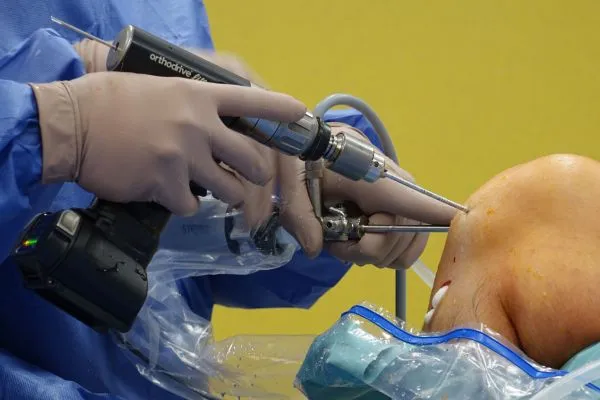
Minimally invasive care has become one of the biggest advancements in modern foot and ankle medicine. It is often used when pain is caused by structural problems that cannot be fully corrected with physical therapy, orthotics, or medication alone.
A trusted foot and ankle specialist may recommend minimally invasive options for:
- Bunion correction
- Hammertoe repair
- Bone spur removal
- Tendon release or repair
- Joint stabilization
Why do patients prefer minimally invasive procedures?
These procedures are often appealing because they are designed to reduce disruption to the surrounding tissue.
Potential advantages include:
- Smaller incisions
- Less post-procedure discomfort
- Reduced scarring
- Shorter recovery periods
- Quicker return to daily activities
For many buyers researching treatment options, recovery experience matters just as much as the treatment itself. That is why this category of care continues to gain attention.
How does advanced imaging improve treatment outcomes?
Accurate diagnosis is one of the most important parts of successful treatment. Advanced imaging helps specialists see what cannot be identified during a standard physical exam alone.
Common diagnostic tools may include:
- Digital X-rays
- Diagnostic ultrasound
- MRI referrals
- Gait analysis technology
- Pressure mapping systems
These tools are useful for identifying soft tissue tears, joint damage, hidden fractures, and movement imbalances. Better diagnosis usually leads to more targeted treatment and fewer wasted appointments.
What role does physical rehabilitation play?
Rehabilitation is often one of the most overlooked parts of long-term foot and ankle recovery. Even after pain decreases, weak muscles, poor balance, or altered walking patterns can bring the problem back.
A complete recovery plan may include:
- Stretching and mobility work
- Strength training
- Balance and stability exercises
- Sports-specific recovery plans
- Walking and posture correction
This is especially important for athletes, working professionals, and older adults who rely on daily mobility and want lasting results rather than temporary relief.
Are advanced treatments worth it for long-term relief?
For many patients, the answer depends on three things:
- How long has the pain lasted
- Whether the issue keeps returning
- How much does it affect daily life
Advanced treatment is often worth considering when repeated self-care, footwear changes, or general pain relief no longer solve the problem. The right provider will explain not only what treatment is available, but also why it fits your condition, activity level, and lifestyle goals.
Pricing logic also matters to buyers. Higher-level care may seem like a bigger step at first, but targeted treatment can sometimes reduce the need for ongoing trial-and-error spending on temporary solutions.
What should you ask before choosing a specialist?
Before booking an appointment, ask questions that help you evaluate expertise and treatment quality.
Helpful questions include:
- Do you treat this condition regularly?
- What non-surgical options do you offer first?
- Do you provide custom treatment plans?
- What does recovery usually look like?
- Will I need follow-up rehab or support?
A knowledgeable provider should be able to explain options clearly, set realistic expectations, and help you feel informed rather than pressured.
If foot or ankle pain is starting to limit your comfort, movement, or confidence, it may be time to explore treatment that goes beyond temporary relief. Advanced care can offer practical solutions tailored to how you live, work, and move each day. Booking a consultation with an experienced foot and ankle specialist can help you understand what is causing the issue and which modern treatment path makes the most sense for long-term recovery.






























Sign in to leave a comment.