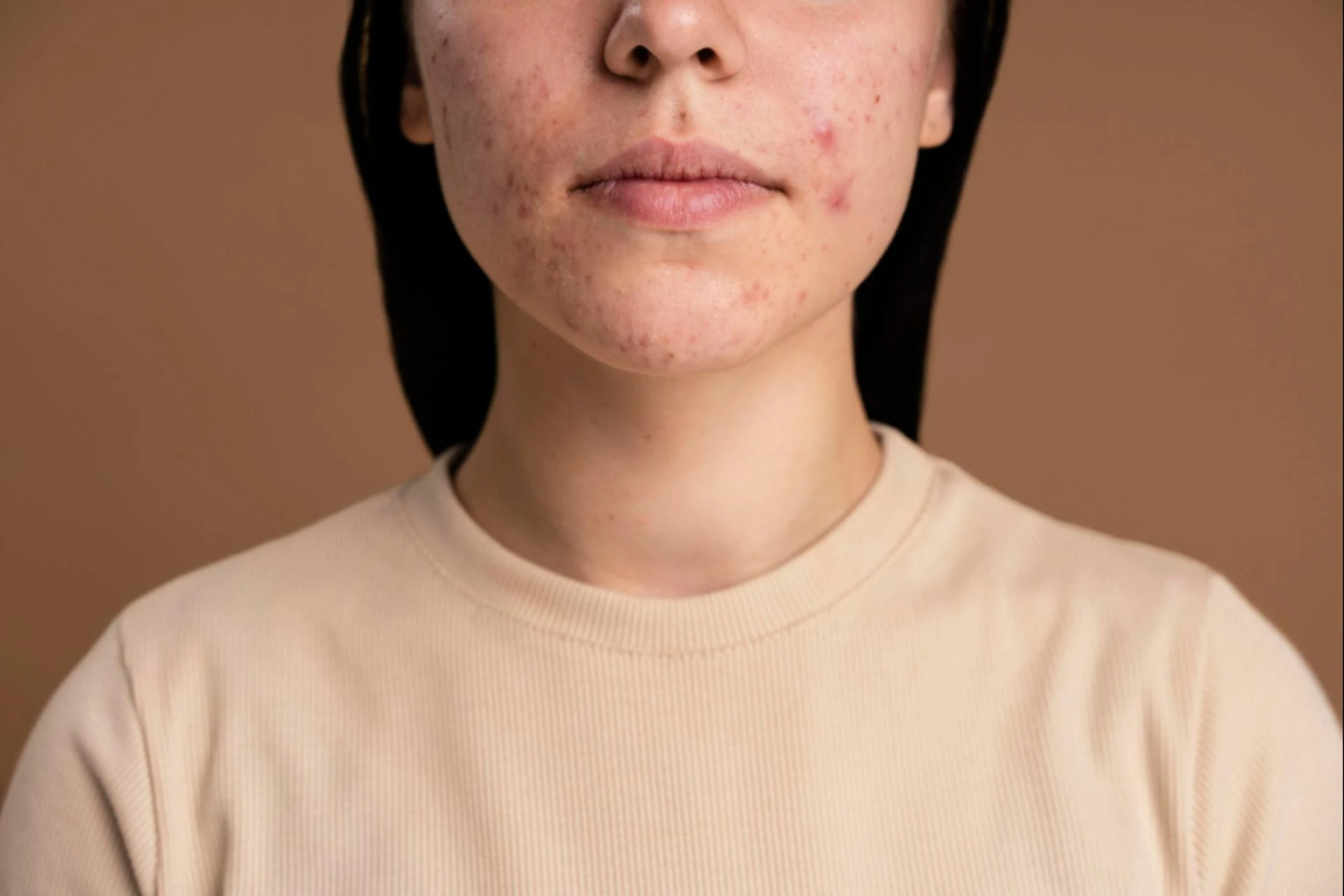

Hi guys!
Today we’re going to talk about something that affects a lot of people—facial scarring. Whether it’s from acne, an injury, or even surgery, scars can have an impact on our appearance and sometimes our confidence.
But don’t worry, scars are a natural part of the skin’s healing process! The good news is, understanding the causes of scarring can help us prevent them and take better care of our skin. So, let’s dive into what causes facial scars and how we can keep them in check!
Types of Scars on the Face
Facial scars can vary greatly in appearance, shape, and texture. The most common types include:
Keloid Scars
Keloid scars are raised, thick, and often extend beyond the original injury site. These scars result from an overproduction of collagen during healing and can be more common in people with darker skin tones.
Hypertrophic Scars
Similar to keloid scars, hypertrophic scars are raised but do not extend past the injury site. They are red, firm, and may become less noticeable over time but can remain visible.
Atrophic Scars
Atrophic scars are depressions or indentations in the skin. Common types include:
- Ice Pick Scars: Narrow, deep holes resembling the marks left by an ice pick.
- Boxcar Scars: Broader, round or oval depressions with sharp edges.
- Rolling Scars: Wavy, shallow depressions with a rolling appearance.
Common Causes of Facial Scarring
Several factors contribute to the formation of scars on the face, some of which are preventable, while others are simply part of the skin's natural healing process.
Acne: How Pimples and Cysts Lead to Scarring
Acne is one of the most common causes of facial scarring. When pimples or cysts rupture beneath the skin’s surface, they can damage deeper layers of the skin, leading to the formation of scars. The inflammation caused by acne can cause both atrophic (depressed) and hypertrophic (raised) scars.
Injuries and Accidents: Cuts, Burns, and Trauma to the Skin
Cuts, burns, and other traumatic injuries to the skin can cause permanent scars if not treated properly. These injuries may lead to both hypertrophic and keloid scars depending on the severity of the trauma and the skin's healing response.
Surgical Procedures: Post-Surgery Scars, Including Cosmetic Surgeries
Cosmetic surgeries, such as facelifts, rhinoplasties, and eyelid surgeries, can leave behind scars, even though these are typically minimized through careful surgical techniques. However, scars still form as part of the body’s healing process.
Infections: Skin Infections Like Cellulitis and Impetigo
Skin infections, such as cellulitis or impetigo, can cause inflammation and damage the skin’s tissue, resulting in scarring. The deeper the infection, the greater the likelihood of lasting scars.
Chronic Skin Conditions: Eczema, Psoriasis, and Other Dermatological Issues
Chronic skin conditions like eczema and psoriasis can cause the skin to become damaged over time, leading to scarring. This is particularly true if the condition results in open sores, excessive scratching, or inflammation that disrupts the skin’s natural healing process.
Sun Damage: How UV Exposure Increases the Likelihood of Scarring
UV exposure from the sun can make skin more vulnerable to scarring. Sunburns, in particular, can damage the skin, leading to scars over time, especially if they are not properly treated. Additionally, prolonged sun exposure may cause existing scars to become more prominent.
Preventing Scarring on the Face
While some scarring is unavoidable, there are steps you can take to reduce the risk or minimize the appearance of scars on your face:
Proper Skincare and Hygiene
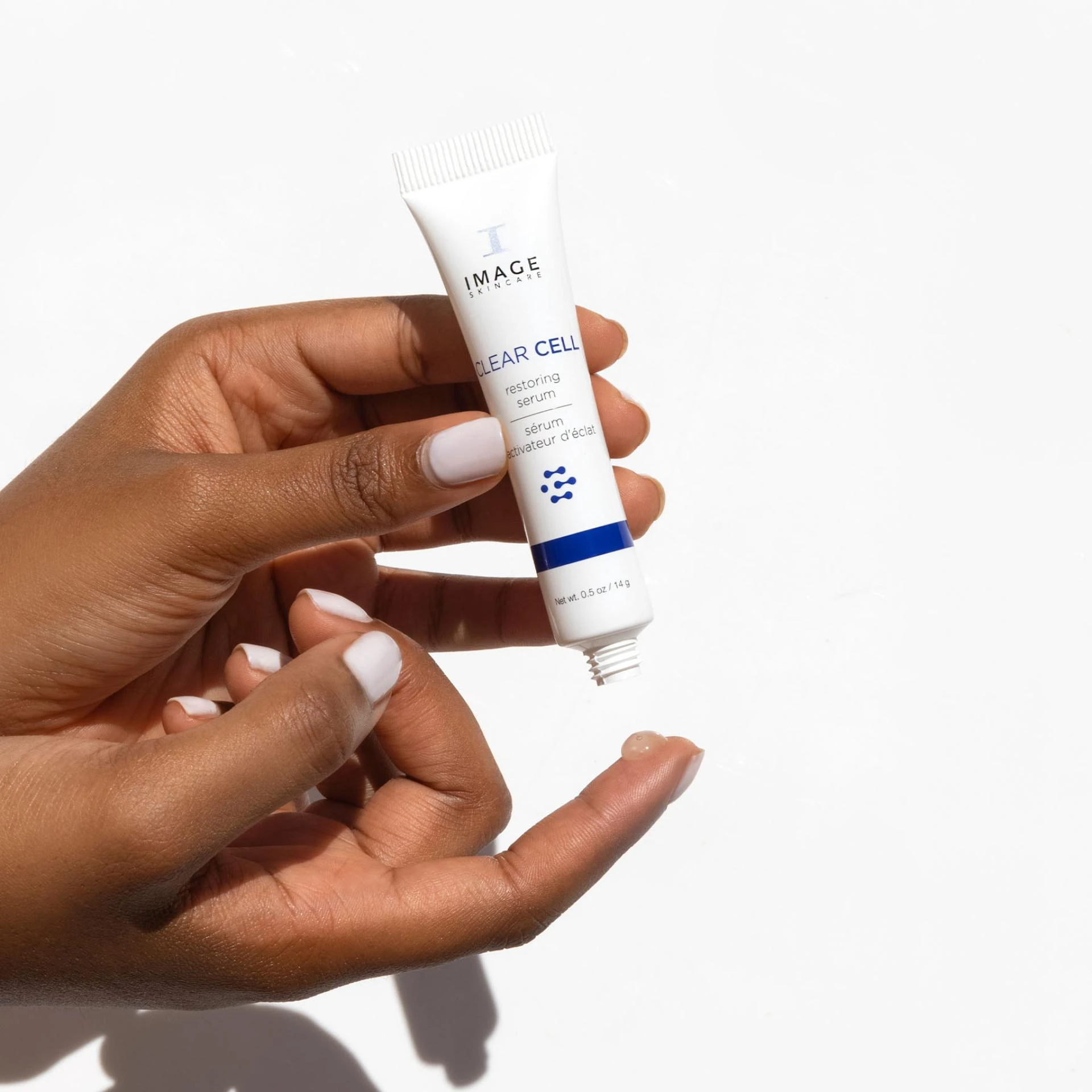
Keeping your skin clean and well-moisturized is crucial for preventing infections that could lead to scars. Additionally, avoiding picking at pimples or wounds can help prevent further damage to the skin.
Using Sunscreen to Protect Healing Skin
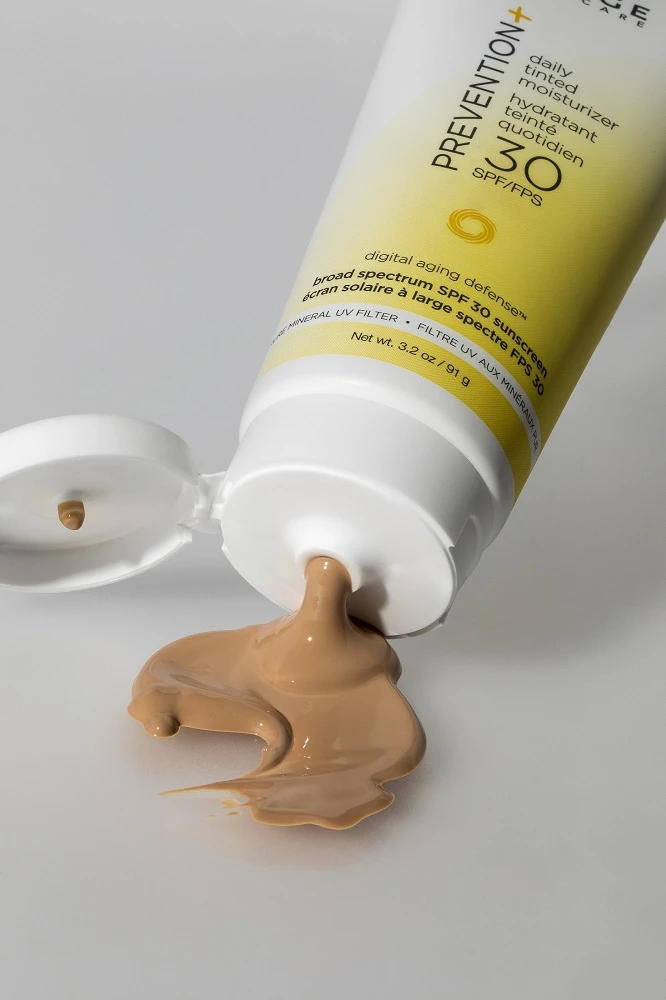
Sunscreen is essential, especially for healing skin. UV exposure can worsen scars or cause new ones to form. Protect your skin with a broad-spectrum sunscreen to help prevent further damage.
Professional Treatments for Scar Prevention
For those with severe scarring, professional treatments can be highly beneficial. Options like laser therapy, chemical peels, and microneedling can promote healing and reduce the appearance of scars.
Conclusion
Facial scarring can occur due to many factors, including acne, injuries, surgeries, infections, and sun damage. While scars are often a natural part of the healing process, understanding their causes and how to prevent them is key to maintaining healthy, clear skin. By following proper skincare practices and seeking professional treatments when necessary, you can reduce the likelihood of scars forming or improve the appearance of existing ones.




























Sign in to leave a comment.