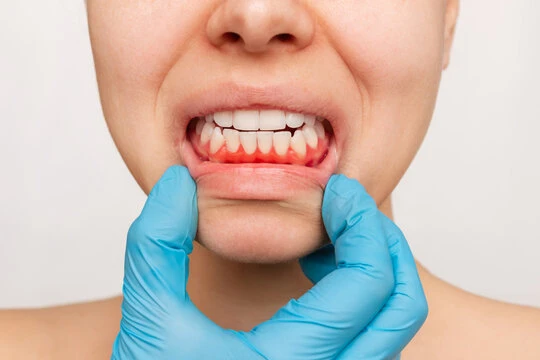

Healthy gums are essential for maintaining strong teeth and overall oral health. While many people focus mainly on their teeth, the health of the gums plays an equally important role in supporting the teeth and preventing serious dental issues. When gums become infected or inflamed, professional gum treatment may be necessary to restore oral health.
Gum disease is one of the most common dental problems worldwide. It can start with mild symptoms such as redness or bleeding but may eventually lead to tooth loss if not treated properly. Fortunately, modern dentistry offers several effective treatment options to manage and treat gum disease.
If you are experiencing symptoms such as swollen or bleeding gums, consulting a dentist for gum treatment in Baramati can help prevent further complications and restore healthy gums.
Understanding Gum Disease
Before discussing treatment options, it is important to understand gum disease and how it develops.
Gum disease, also known as periodontal disease, occurs when plaque and bacteria accumulate around the gum line. If not removed through proper brushing and flossing, plaque hardens into tartar, which irritates the gums and causes inflammation.
There are two main stages of gum disease:
Gingivitis
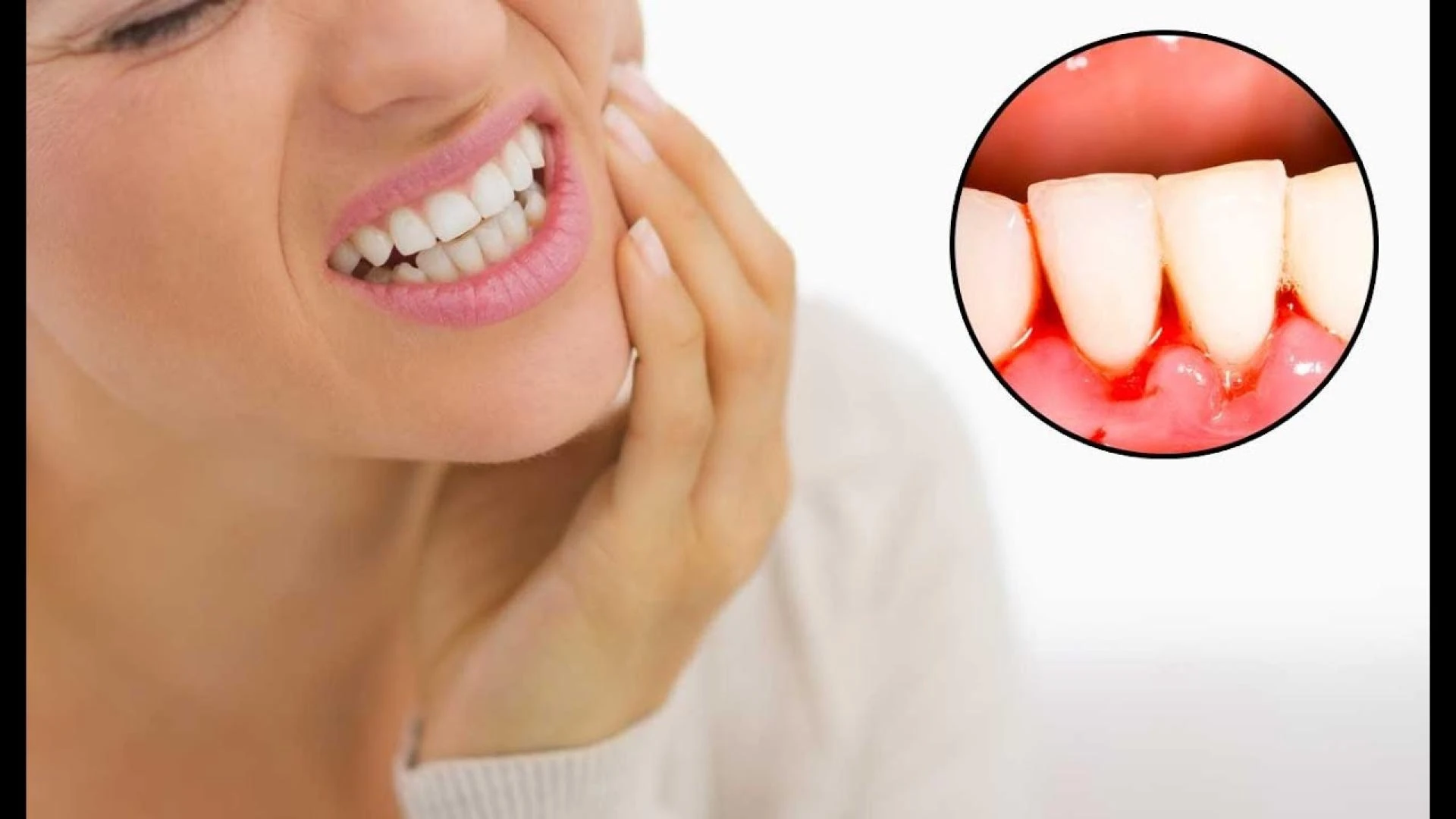
This is the early stage of gum disease. Symptoms include red, swollen, and bleeding gums. At this stage, the condition is usually reversible with professional cleaning and improved oral hygiene.
Periodontitis
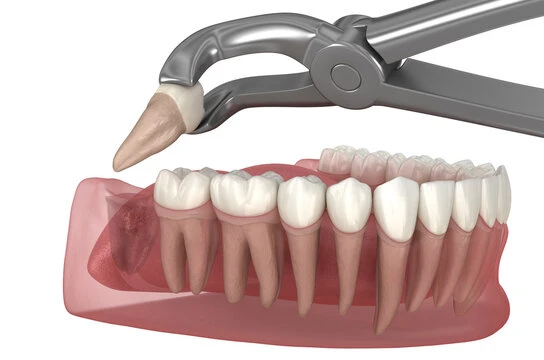
If gingivitis is left untreated, it can progress to periodontitis. In this stage, the infection spreads deeper into the gums and bone supporting the teeth, potentially causing tooth loosening and loss.
Early diagnosis and proper bleeding gum treatment in Baramati can prevent gum disease from progressing to more serious stages.
Common Signs That You May Need Gum Treatment
Many people ignore the early symptoms of gum disease, which can worsen over time. Some of the most common signs include:
- Bleeding gums while brushing or flossing
- Swollen or tender gums
- Persistent bad breath
- Receding gums
- Loose teeth
- Pain while chewing
If you notice any of these symptoms, it is important to consult a dentist promptly for appropriate gum treatment.
Different Types of Gum Treatment
Dentists use various treatment methods depending on the severity of gum disease. Some treatments focus on removing bacteria and plaque, while others help restore damaged gum tissue.
Below are some of the most common types of gum treatment used in modern dentistry.
1. Professional Dental Cleaning
Professional dental cleaning is often the first step in treating mild gum disease. During this procedure, a dentist or dental hygienist removes plaque and tartar from the teeth and along the gum line.
This cleaning helps reduce inflammation and prevents the buildup of bacteria that cause gum disease. Regular dental cleanings also help maintain long-term gum health.
For patients experiencing early gum problems, professional cleaning combined with good oral hygiene habits can significantly improve gum health.
2. Scaling and Root Planing (Deep Cleaning)
Scaling and root planing is a more advanced cleaning procedure used to treat moderate gum disease.
Scaling involves removing plaque and tartar from the surfaces of the teeth and below the gum line.
Root planing smooths the tooth roots to help the gums reattach to the teeth and prevent further bacterial buildup.
This treatment is highly effective for patients with gum disease and is commonly recommended as part of gum treatment in Baramati for individuals experiencing persistent gum inflammation or infection.
Deep cleaning helps eliminate bacteria and promotes healing of the gum tissues.
3. Antibiotic Therapy
In some cases, dentists may prescribe antibiotics to help control bacterial infection in the gums.
Antibiotics can be used in several forms, including:
- Oral medications
- Antibacterial mouth rinses
- Antibiotic gels applied directly to the gums
These medications help reduce harmful bacteria and support the healing process when combined with other gum treatments.
Antibiotic therapy is usually recommended when gum infection is more severe or when there is a high risk of bacterial spread.
4. Laser Gum Treatment
Laser dentistry is a modern and minimally invasive option for treating gum disease. During this procedure, a dental laser is used to remove infected gum tissue and eliminate bacteria.
Laser gum treatment offers several benefits, including:
- Reduced bleeding
- Faster healing
- Minimal discomfort
- Greater precision
This advanced treatment option is becoming increasingly popular for patients seeking comfortable and effective solutions for gum disease.
5. Gum Grafting
In advanced cases of gum disease, the gums may recede and expose the roots of the teeth. This can lead to tooth sensitivity and an increased risk of decay.
Gum grafting is a surgical procedure used to restore lost gum tissue. During the procedure, healthy tissue is taken from another area of the mouth and placed over the exposed tooth roots.
This treatment helps protect the teeth, improve the appearance of the smile, and prevent further gum recession.
6. Flap Surgery (Pocket Reduction Surgery)
When gum disease progresses to an advanced stage, deep pockets may form between the teeth and gums. These pockets can trap bacteria and make cleaning difficult.
Flap surgery is performed to reduce these pockets and remove bacteria from deep areas of the gums.
During the procedure, the dentist gently lifts the gums to clean the infected area and then repositions the gums to fit more tightly around the teeth.
This treatment helps prevent further damage and supports long-term gum health.
7. Bone and Tissue Regeneration
In severe cases of periodontal disease, the infection can damage the bone and tissues that support the teeth. Regenerative procedures may be used to encourage the growth of new bone and gum tissue.
These treatments may involve:
- Bone grafts
- Tissue-stimulating proteins
- Guided tissue regeneration techniques
These advanced procedures help restore the structures that support the teeth and improve oral health.
Patients seeking advanced periodontal care often choose the best dental clinic in Baramati to ensure accurate diagnosis and access to modern treatment techniques.
How Dentists Choose the Right Gum Treatment
The type of gum treatment recommended depends on several factors, including:
- The severity of gum disease
- The extent of infection
- The patient's overall oral health
- The presence of gum recession or bone loss
A dentist will conduct a detailed examination, which may include dental X-rays and gum measurements, before recommending the most appropriate treatment plan.
Early intervention often leads to simpler and more effective treatment.
Tips to Maintain Healthy Gums
Preventing gum disease is always better than treating it. Maintaining good oral hygiene habits can help keep gums healthy and reduce the risk of infection.
Here are some important tips:
- Brush your teeth twice daily using a soft-bristled toothbrush
- Floss daily to remove plaque between teeth
- Use antibacterial mouthwash
- Visit your dentist regularly for check-ups and cleanings
- Avoid smoking or tobacco products
- Eat a balanced diet rich in vitamins and minerals
If you experience persistent symptoms such as bleeding or swollen gums, seeking bleeding gum treatment in Baramati can help address the problem before it becomes severe.
Final Thoughts
Healthy gums are the foundation of a healthy smile. Gum disease can develop silently and worsen over time if left untreated, which is why early diagnosis and treatment are so important.
Modern dentistry offers several effective treatment options, ranging from professional cleanings and deep cleaning procedures to advanced surgical treatments for severe cases. Each treatment is designed to eliminate infection, restore gum health, and protect the supporting structures of the teeth.
If you notice symptoms such as bleeding, swelling, or gum recession, consulting a dentist for gum treatment in Baramati can help you receive timely care and prevent long-term dental problems.
Choosing the best dental clinic in Baramati ensures access to experienced dental professionals, modern technology, and personalized treatment plans that support long-term oral health.
FAQs
1. What is the most common gum treatment?
The most common gum treatment is scaling and root planing, also known as deep cleaning. It removes plaque and tartar from below the gum line and helps the gums heal.
2. How do I know if I need gum treatment?
Signs that you may need gum treatment include bleeding gums, swelling, bad breath, gum recession, and loose teeth.
3. Is gum treatment painful?
Most gum treatments are performed with local anesthesia, so patients usually experience minimal discomfort during the procedure.
4. How long does gum treatment take to heal?
Healing time depends on the type of treatment. Minor treatments may heal within a few days, while surgical procedures may take a few weeks.
5. Can bleeding gums be treated?
Yes, bleeding gums can often be treated with professional dental cleaning, improved oral hygiene, and specialized treatments recommended by a dentist.


























Sign in to leave a comment.