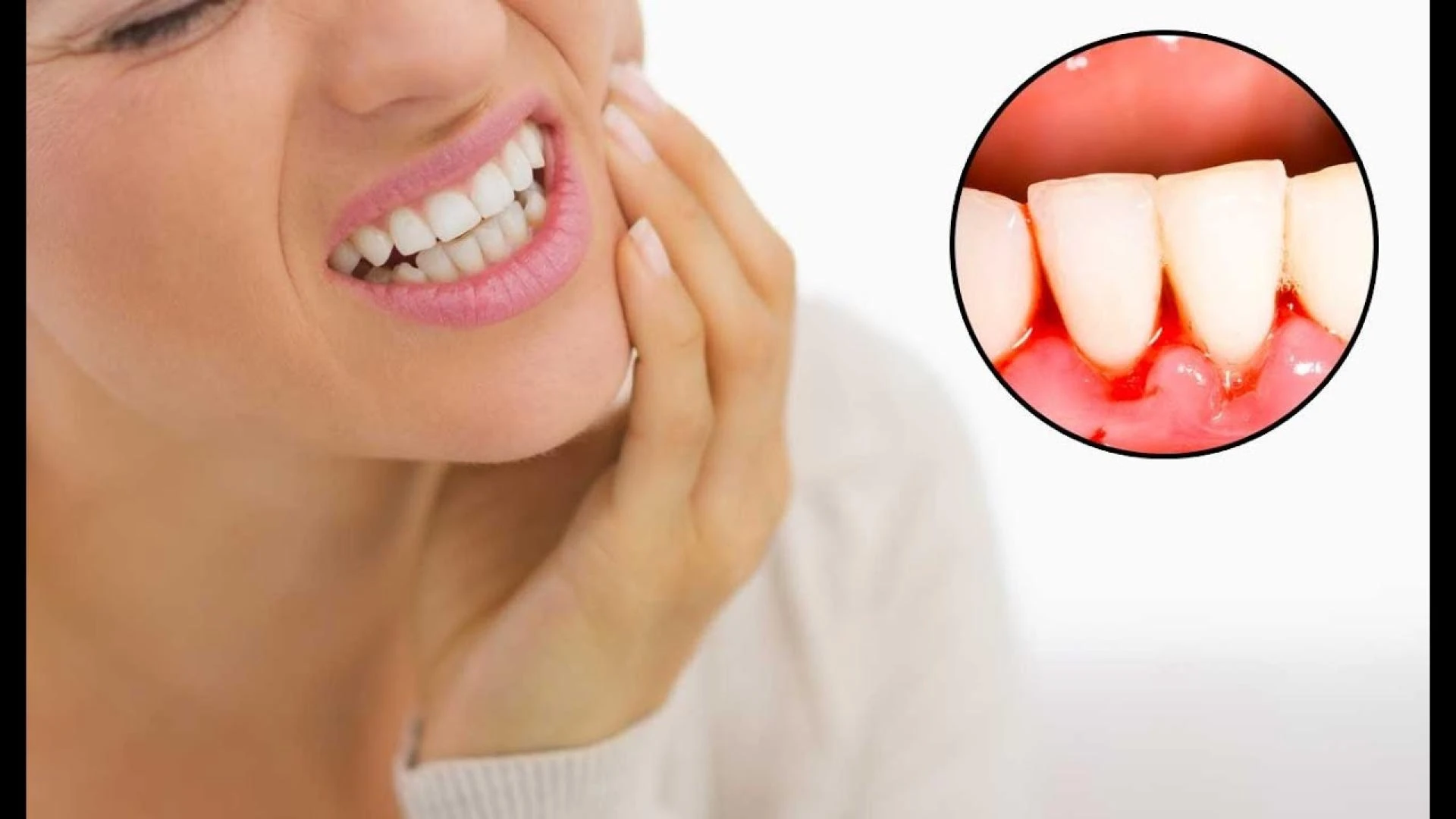

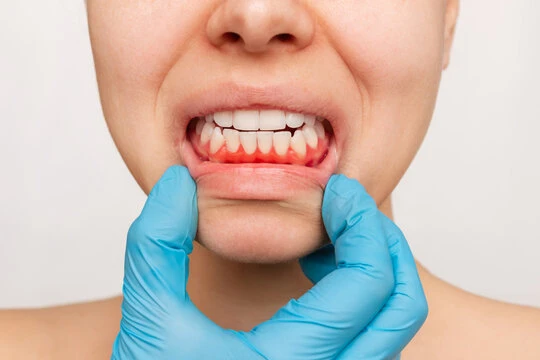
Gum health plays a vital role in maintaining a healthy smile and overall oral well-being. When gums become inflamed or start bleeding, timely gum treatment is necessary to prevent further complications such as gum recession or tooth loss. While professional care addresses the root cause of gum problems, recovery largely depends on how well you follow post-treatment instructions, especially your diet.
After any form of gum treatment, your gums are in a sensitive healing phase. Eating the wrong foods can irritate the tissues, delay healing, and increase discomfort. This blog explains which foods should be avoided after gum treatment and why dietary care is essential for long-term gum health.
Why Food Choices Matter After Gum Treatment
During gum treatment, plaque, tartar, and bacteria are removed from around and beneath the gum line. This process helps reduce inflammation and allows the gums to heal. However, immediately after treatment, gum tissues are tender and more prone to irritation.
Eating inappropriate foods during this phase can reopen sensitive areas, cause pain, or increase the risk of infection. That’s why dentists strongly advise dietary modifications for a short period after treatment.
Foods to Avoid After Gum Treatment
1. Hard and Crunchy Foods
Hard foods such as nuts, popcorn, hard chips, and raw vegetables can damage healing gum tissues. These foods may apply pressure on the gums or get stuck under the gum line, making recovery slower after gum treatment.
Avoiding such foods helps prevent unnecessary irritation and supports smoother healing.
2. Spicy Foods
Spicy foods can trigger a burning sensation and worsen gum inflammation. Chillies, hot sauces, and spicy curries may feel uncomfortable and increase sensitivity in treated areas.
Dentists often advise patients who have undergone bleeding gum treatment in baramati to avoid spicy foods until the gums have healed properly.
3. Sticky and Chewy Foods
Sticky foods like toffees, caramel, and chewing gum cling to teeth and gums, making oral hygiene difficult. These foods can trap bacteria and interfere with the healing process after gum treatment.
Chewy foods also require more effort while eating, which may strain the gums.
4. Sugary Foods and Beverages
Sugar encourages bacterial growth in the mouth. After gum treatment, sugary foods such as sweets, pastries, and soft drinks can increase plaque formation and slow down healing.
For patients recovering from bleeding gum treatment in baramati, limiting sugar intake is particularly important to prevent recurring inflammation.
5. Acidic Foods and Drinks
Citrus fruits, tomatoes, vinegar-based foods, and carbonated drinks are acidic and can irritate sensitive gum tissues. These foods may cause discomfort and increase tooth sensitivity following gum treatment.
It’s best to reintroduce acidic foods only after your gums feel normal again.
6. Extremely Hot Foods and Drinks
Very hot tea, coffee, or soups can increase blood circulation in the gums and may cause temporary bleeding after treatment. This is especially important to avoid in the first 24–48 hours after gum treatment.
How Long Should You Avoid These Foods?
The recovery period depends on the severity of the gum condition and the type of gum treatment performed. Mild gum issues may require dietary care for just a few days, while advanced cases may need longer attention.
Patients who opt for gum treatment in baramati are usually given personalized dietary guidelines based on their condition and treatment type.
Recommended Foods During Recovery
Soft and nutritious foods are ideal during recovery. Options such as yogurt, soft fruits, mashed vegetables, rice, and lukewarm soups are gentle on the gums and help support healing.
Maintaining good oral hygiene alongside a soft diet ensures better outcomes after gum treatment.
How to Choose the Best Dental Clinic for Gum Treatment
Choosing the right dental clinic is crucial for effective diagnosis, treatment, and recovery. The best dental clinic in baramati focuses not only on providing advanced gum treatment but also on educating patients about proper aftercare.
When selecting a clinic, consider:
- Experience in managing gum disease cases
- Use of modern technology for accurate treatment
- Clear post-treatment instructions
- Emphasis on hygiene and patient comfort
- Positive patient feedback
A reliable clinic ensures that procedures like bleeding gum treatment in baramati are performed safely and followed by proper recovery guidance.
Final Thoughts
Diet plays a key role in how well your gums heal after gum treatment. Avoiding hard, spicy, sugary, sticky, and acidic foods allows gum tissues to recover without irritation or setbacks. Whether you are undergoing routine care or specialized bleeding gum treatment in baramati, following dietary recommendations can make a noticeable difference in healing and comfort.
By combining professional dental care, mindful eating habits, and good oral hygiene, you can protect your gums and enjoy long-term oral health.
Frequently Asked Questions (FAQs)
1. Is it necessary to change my diet after gum treatment?
Yes, temporary dietary changes help reduce irritation and support healing after gum treatment.
2. How soon can I eat normally after gum treatment?
Most patients can return to a normal diet within a few days, depending on healing progress.
3. Is bleeding common after gum treatment?
Mild bleeding may occur, especially after bleeding gum treatment in baramati, and usually subsides within a day or two.
4. Can sugary foods affect gum healing?
Yes, sugar can promote bacterial growth and delay healing after gum treatment.
5. Why should I avoid spicy food after gum treatment?
Spicy foods can irritate sensitive gum tissues and increase discomfort during recovery.
Source: What Foods Should Be Avoided After Gum Treatment?
























Sign in to leave a comment.