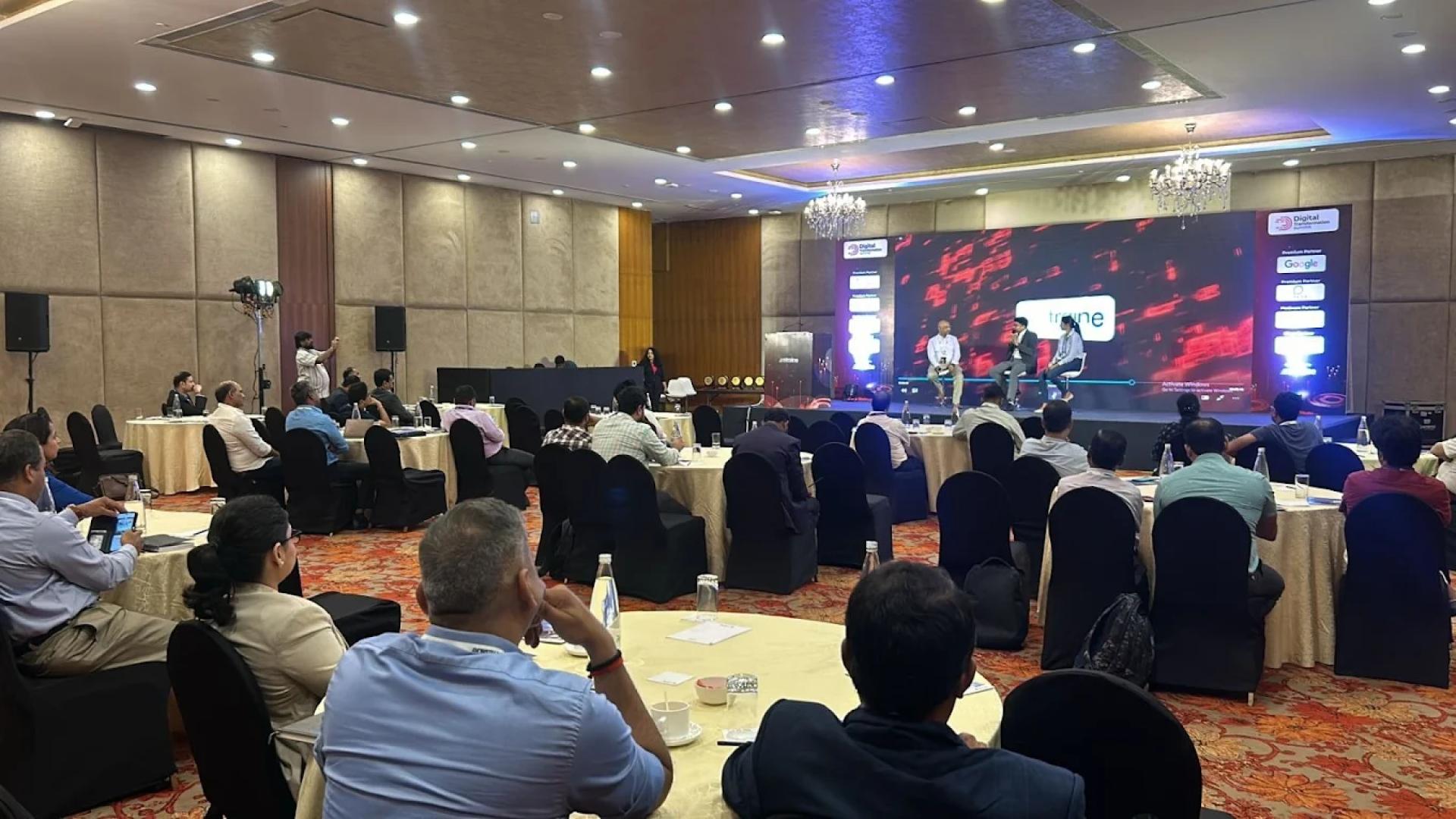

Corporate events have long been a powerful tool for building relationships, sharing knowledge, and strengthening brand presence. However, in the past decade—and particularly after the global shift caused by the pandemic—corporate event management in India has evolved at a rapid pace. What once involved a simple meeting room, projector, and catering service has transformed into a sophisticated experience that combines creativity, technology, and audience engagement.
Today’s corporate event organisers are not just planners—they are strategic experience designers. They curate every detail to reflect a company’s objectives, values, and vision, while delivering events that leave a lasting impression. In this article, we’ll explore the emerging trends shaping corporate event companies in India and how these trends are redefining the corporate event space.
1. Hybrid Events Are Here to Stay
One of the most significant trends to emerge in recent years is the rise of hybrid events—a blend of in-person and virtual experiences. Hybrid models allow attendees to participate from anywhere in the world while still creating a sense of presence and interaction.
Why this trend matters in India:
- Expands audience reach beyond geographical boundaries.
- Reduces travel and accommodation expenses.
- Supports flexible attendance for busy professionals.
Corporate event companies are investing heavily in live streaming platforms, interactive apps, and real-time engagement tools to ensure hybrid attendees have an equally immersive experience.
2. Data-Driven Event Strategies
Data is now at the core of modern event planning. From pre-event surveys to post-event analytics, corporate event organisers are using data to shape agendas, select speakers, and optimize engagement.
Key metrics event managers track include:
- Registration-to-attendance ratio.
- Session engagement rates.
- Poll and Q&A participation.
- Post-event feedback scores.
By understanding these insights, corporate event companies in India can refine strategies for future events, ensuring higher ROI and audience satisfaction.
3. Experiential & Immersive Design
Gone are the days when corporate events were purely informational. Attendees now expect memorable, interactive experiences. This has led to a surge in experiential event design, where the focus is on emotional connection and sensory engagement.
Examples include:
- Interactive product zones where attendees can try new offerings.
- Live demos and virtual reality (VR) experiences.
- Creative stage designs that reinforce brand themes.
The goal is to make every touchpoint—from registration to closing remarks—an opportunity to engage and impress.
4. Sustainability as a Core Value
Sustainability has become more than a buzzword; it’s now a requirement for many corporate clients. Companies are choosing corporate event organisers who can deliver environmentally responsible events without sacrificing quality.
Common sustainable practices in corporate event management in India include:
- Using reusable or biodegradable materials.
- Digital invites instead of printed materials.
- Sourcing local food and beverages to reduce transportation emissions.
- Partnering with eco-friendly venues.
As corporate social responsibility becomes a priority, event companies are expected to adopt greener practices across the board.
5. Personalization for Attendee Engagement
With the help of technology, events are becoming more tailored to each attendee’s preferences. This means:
- Personalized agendas based on interests.
- Customized networking opportunities.
- AI-driven matchmaking between attendees.
By offering relevant, customized experiences, corporate event companies in India ensure that every participant finds value in the event.
6. Technology-Driven Innovation
Technology continues to transform the corporate event landscape. Event organisers are now leveraging:
- Event apps for schedules, polls, and feedback.
- Augmented Reality (AR) for interactive displays.
- Live translation services for multilingual audiences.
- AI chatbots for attendee assistance.
These tools make events smoother, more engaging, and more inclusive for a diverse audience.
7. Wellness-Centric Event Planning
Today’s corporate events aren’t just about business—they also prioritize attendee well-being. This is especially relevant in high-pressure industries where work-life balance can be challenging.
Wellness trends in corporate event management in India include:
- Mindfulness breaks between sessions.
- Healthy, energizing menu options.
- On-site yoga or meditation sessions.
- Relaxation lounges for networking and downtime.
8. Storytelling as a Core Element
In a crowded corporate landscape, storytelling is emerging as one of the most powerful tools for making events memorable. Corporate event organisers are weaving stories into presentations, stage design, and even entertainment to connect emotionally with audiences.
When done effectively, storytelling helps attendees remember key messages long after the event concludes.
9. Focus on Micro-Events
While large-scale conferences and expos are still relevant, there is a growing demand for smaller, more targeted events. Micro-events allow for deeper interaction, specialized topics, and better networking.
This trend is particularly effective for:
- Niche industry gatherings.
- Executive leadership retreats.
- Focused training workshops.
Corporate event companies are adapting to this trend by offering flexible packages and modular event formats.
10. Enhanced Post-Event Engagement
The event experience no longer ends when the lights go out. Post-event engagement has become essential for maintaining connections and building long-term relationships.
Post-event strategies often include:
- Sharing recorded sessions and highlights.
- Sending personalized thank-you notes.
- Offering post-event surveys and feedback loops.
- Inviting attendees to join ongoing community platforms.
By continuing the conversation, corporate event companies in India extend the value of the event far beyond its actual duration.
Why These Trends Matter for Businesses
Embracing these emerging trends allows businesses to:
- Strengthen their brand image.
- Improve attendee satisfaction and retention.
- Gain valuable insights for future strategy.
- Demonstrate innovation and adaptability.
The competitive business environment means that companies can no longer afford generic, uninspired events. Instead, they must deliver experiences that inspire, engage, and produce measurable results.
The Role of Expert Event Partners
While some organizations attempt to manage events internally, the complexity of these modern trends makes partnering with professionals a smart investment. An experienced partner, such as Entraine, can seamlessly integrate these innovations into your event, ensuring it meets both creative and strategic objectives.
Final Thoughts
Corporate event management in India is in the midst of a transformation, driven by technology, audience expectations, and a demand for more meaningful engagement. From hybrid formats to sustainable practices and immersive storytelling, the future belongs to events that are as strategic as they are inspiring.
For companies looking to make a lasting impact, working with skilled corporate event organisers who understand these trends is not just beneficial—it’s essential. The right corporate event companies in India will help you navigate this evolving landscape, turning your events into unforgettable brand experiences.



























Sign in to leave a comment.