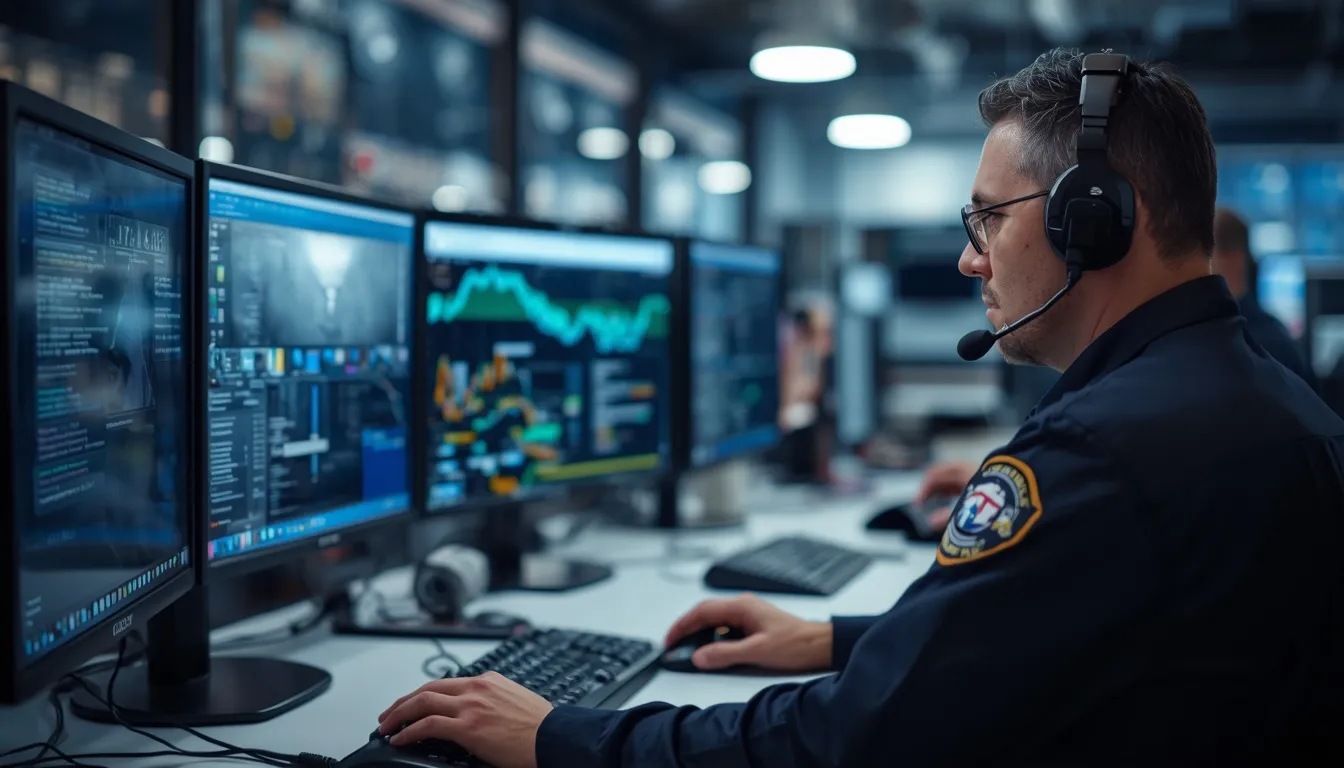

In an era where urban development, public transport networks, and commercial complexes are expanding rapidly, maintaining robust safety infrastructure is more critical than ever. While frontline security guards provide a visible deterrent on the ground, a massive portion of modern security coordination happens behind the scenes. The individuals managing this space are professional closed-circuit television (CCTV) operators.
Operating from secure, high-tech control environments, these specialists serve as the central nervous system for asset protection and public safety. However, if your perception of the role is based entirely on Hollywood movies—where operators simply stare at a single monitor while drinking coffee—the reality will surprise you. The modern surveillance sector is active, fast-paced, and deeply tied to strict legal frameworks.
Completing specialized SIA CCTV training courses in London prepares you for a highly structured career. This guide breaks down the actual day-to-day duties you will perform once you earn your license and step into a professional control room.
The Operational Routine: Step-by-Step
A professional operator's shift is defined by vigilance, rapid documentation, and technical precision. Because you are responsible for monitoring multiple live camera feeds simultaneously, your everyday workflow follows a strict operational sequence designed to prevent security blind spots.
1. Pre-Shift System and Equipment Audits
Your duties begin the exact minute you walk into the control room. You cannot safely protect a premises without ensuring your technical tools are operating perfectly.
- Camera Functionality Checks: Operators run through their assigned camera arrays, checking for offline feeds, obstructed lenses, or faulty pan-tilt-zoom (PTZ) mechanics.
- Timestamp Synchronization: Verifying that the digital video recorder (DVR) clock matches real-time precisely. A minor discrepancy of two minutes can invalidate video evidence in a court of law.
- System Handover Logs: Reviewing notes from the outgoing shift to identify ongoing building maintenance, high-risk visitors, or active threat alerts on site.
2. Proactive Surveillance and Pattern Recognition
The core of your day is spent conducting active monitoring. Rather than passively waiting for an alarm to sound, an operator scans public space surveillance arrays to spot anomalies before an incident occurs.
- Identifying Hostile Reconnaissance: Spotting individuals taking unusual photos of entry barriers, testing emergency exit handles, or tracking guard patrol patterns.
- Crowd Dynamics Analysis: Monitoring high-footfall zones—such as retail plazas, stadiums, or transit hubs—to spot crushing hazards, escalating verbal disputes, or signs of public distress.
- Asset Protection Patrols: Using virtual camera sweeps to secure high-value storage yards, server rooms, and building perimeters during low-occupancy night shifts.
3. Safety-Critical Communication and Team Dispatch
When a security breach or medical emergency unfolds, the CCTV operator moves into an active command-and-control role. Because you have a bird's-eye view of the entire facility, ground teams rely entirely on your direction.
Precise Radio Despatches
You will translate what you see on screen into clear, brief radio transmissions to ground guards. This involves stating exactly who is involved, their precise location, descriptions of clothing, and whether weapons or hazards are visible.
Emergency Services Coordination
If a major incident occurs, you serve as the direct link to blue-light services. You will patch communications through to local police forces, guide ambulance crews through secure site gates, and provide live updates to emergency dispatchers as events change.
4. Legal Compliance and Evidence Management
Holding an official SIA licence means you are legally obligated to protect civil liberties while monitoring public spaces. Data management is heavily regulated, and a large portion of your daily routine involves maintaining flawless compliance.
Strict Data Protection Act Compliance
Recorded data must be handled in absolute compliance with UK GDPR and the Data Protection Act. Operators ensure that unauthorized personnel never view active monitors and that footage is only exported when a formal, documented evidence request is submitted by law enforcement.
Flawless Incident Logging
Every tracking action, camera export, and radio dispatch must be written down chronologically in the master site log. These records are permanent legal documents. Showing strong attention to detail ensures your documentation stands up under intense cross-examination during civil or criminal court proceedings.
Connecting Control Room Skills with Broad Industry Paths
The asset management, data tracking, and communication skills you practice daily as a surveillance specialist can be used across multiple related sectors.
For instance, major infrastructure projects require a combination of visual surveillance and precise site control. If your career goals involve protecting high-value transit networks, combining your security profile with an industry-approved PTS training course in London enables you to work legally and safely near complex live track environments.
Similarly, if you transition into managing security teams on major building developments, industrial yards, or logistics hubs, matching your monitoring skills with structural health and safety laws is a natural step forward. Completing a comprehensive five-day CITB SMSTS course provides the senior legislative knowledge needed to run complex, multi-trade sites.
To maintain those site management credentials over time, supervisors must complete a two-day SMSTS refresher course to stay aligned with current HSE guidelines.
Furthermore, on any complex site, security control rooms are often the first to spot a physical accident. Ensuring your monitoring teams or ground guards complete accredited First Aid Training in London ensures your organization can provide immediate, life-saving trauma care the moment an incident is flagged on screen.
Master Your Surveillance Career with JFK Tech Training
Launching a successful career in professional surveillance starts with choosing an experienced, accredited training provider. At JFK Tech Training, operating out of our highly accessible London hub in Barking, we focus on building true operational capability.
Our courses are led by industry veterans who bring years of actual control room experience into the classroom. We simplify complex data compliance laws, video evidence handling rules, and practical radio communication protocols into engaging, easy-to-understand lessons. Featuring top-tier technical training facilities, flexible weekend and weekday scheduling options, and consistent student support, we ensure you pass your SIA examinations with total confidence.
Ready to secure your qualifications and step into a stable, high-value career in private security?
Contact our specialist enrollment team or book your accredited SIA CCTV training course in London with JFK Tech Training today.
Summary of Everyday Operator Responsibilities
| Core Duty | Technical Action Required | Real-World Impact |
|---|---|---|
| System Audits | Running camera health checks & syncing time-stamps. | Guarantees all video evidence remains fully admissible in court. |
| Active Monitoring | Scanning live feeds for behavioral anomalies. | Prevents property damage and breaches by identifying threats early. |
| Team Dispatch | Delivering clear, precise radio descriptions to ground units. | Minimizes response times and protects guards entering hazards. |
| Data Logging | Writing detailed, chronological incident logs daily. | Protects your organization from legal liabilities and compliance fines. |
If you need to align your training schedule with specific corporate requirements or want to check upcoming weekend training dates at our Barking hub, I can organize a custom plan for you. Would you like me to do that?
Frequently Asked Questions
What qualifications do I need to become a CCTV operator?
To become a CCTV operator, you typically need to complete an accredited SIA CCTV training course, which covers essential skills in surveillance, legal compliance, and emergency response. Additionally, having a background in security or a related field can be beneficial.
What does a day in the life of a CCTV operator look like?
A CCTV operator's day involves several key tasks including pre-shift equipment audits, active surveillance of multiple camera feeds, and coordinating responses with ground teams during incidents. Operators must also maintain meticulous records to ensure compliance with legal regulations.
How important is legal compliance for CCTV operators?
Legal compliance is crucial for CCTV operators, as they must adhere to strict regulations such as the Data Protection Act and UK GDPR. This ensures that recorded footage is managed properly and that civil liberties are respected during surveillance activities.
What skills are necessary for effective CCTV monitoring?
Effective CCTV monitoring requires strong observational skills, attention to detail, and the ability to communicate clearly under pressure. Operators also need technical proficiency with surveillance equipment and an understanding of legal protocols regarding data handling.
Can I transition from CCTV operations to other security roles?
Yes, skills gained as a CCTV operator, such as data tracking and communication, are highly transferable to other security roles. For example, you could move into site management or emergency response coordination, especially with additional training in related areas.
How do I choose the right CCTV training course?
When selecting a CCTV training course, look for accredited programs that offer hands-on experience and are taught by industry veterans. Consider the course's flexibility, support services, and the reputation of the training provider to ensure you receive quality education.
What are the legal implications of improper CCTV monitoring?
Improper CCTV monitoring can lead to serious legal implications, including potential fines and liability for breaches of privacy. Operators must ensure that their practices comply with data protection laws to avoid legal repercussions and maintain the admissibility of recorded evidence.
































Sign in to leave a comment.