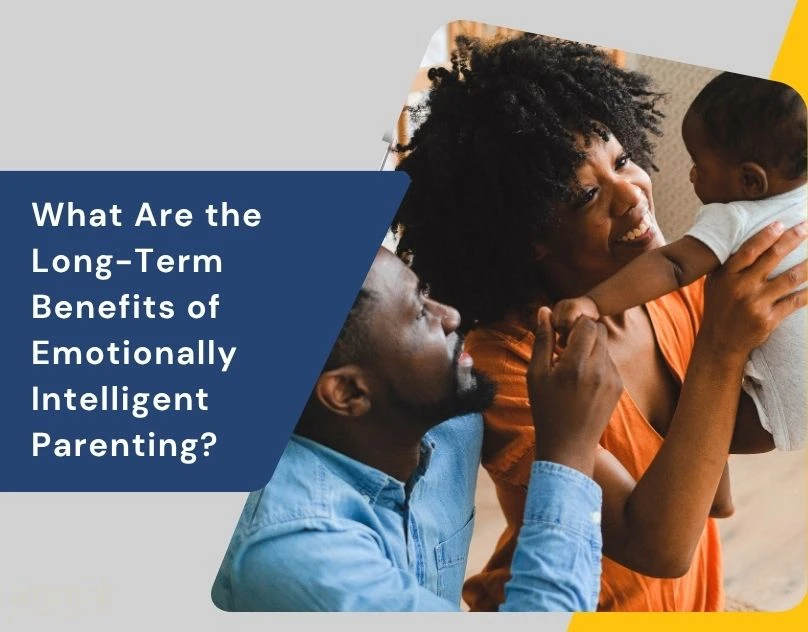

Every Indian parent aspires to raise children who are not just academically bright but emotionally strong, respectful, and kind. Yet, in the rush of daily life — juggling work, school schedules, and extended family obligations — parenting can often feel reactive and overwhelming. In such moments, emotional outbursts, misunderstandings, and guilt become common.
That’s where Parenting emotional intelligence comes in. This modern, mindful approach to raising children helps parents respond rather than react, creating a nurturing environment where children thrive emotionally and socially.
In this blog, we explore the long-term benefits of Parenting emotional intelligence — not only for children but also for parents. We’ll also see how tools like LMS for emotional wellness training are empowering Indian families to grow together.
Understanding Emotionally Intelligent Parenting
Emotional intelligence (EQ) in parenting means being aware of your own emotions, regulating them constructively, and guiding your child to do the same. It involves:
• Self-awareness: Recognising your emotional triggers.
• Self-regulation: Managing emotions like anger or frustration constructively.
• Empathy: Understanding your child’s perspective and emotions.
• Social skills: Communicating in a respectful, assertive, and supportive way.
This differs significantly from traditional parenting, which often emphasized obedience and emotional restraint over emotional awareness. In many Indian households, especially, emotional expression is sometimes misunderstood as weakness or disobedience. Parenting emotional intelligence flips this script — teaching both expression and empathy as strengths.
Benefits for the Child-
Stronger Parent-Child Bond
When parents respond to their child’s emotions with empathy and patience, it builds trust. Children feel understood rather than judged. For instance, if a child cries after losing a school race, an emotionally intelligent parent might say, “It’s okay to feel disappointed. You gave your best effort,” instead of “Stop crying, it’s not a big deal.”
Over time, this nurtures a safe space for emotional expression, strengthening the bond between parent and child.
Improved Emotional Regulation in Children
Children learn by watching. If parents model healthy emotional responses, kids begin to internalize those behaviours. Take anger, for example — instead of yelling or hitting, a child might learn to say, “I’m upset because my toy broke,” because that’s how their parent responded to similar frustration.
This emotional literacy reduces tantrums, anxiety, and even future behavioral problems.
Enhanced Social Skills and Empathy
Emotionally intelligent parenting encourages children to recognise not just their own emotions but others’ as well. A child taught to empathize might be more likely to comfort a classmate or resolve conflicts peacefully.
These soft skills, often overlooked in academic environments, are vital for healthy friendships and long-term relationships.
Increased Resilience and Problem-Solving
Children raised with emotional awareness tend to bounce back more quickly from setbacks. They see failure not as defeat but as a part of growth. A child who learns to express sadness or frustration productively is also more likely to seek solutions rather than give up.
Academic and Future Success
Studies have shown that emotional intelligence correlates with better focus, motivation, and cooperation — all essential for academic achievement. When children are emotionally balanced, they’re more open to learning, better at group tasks, and more resilient under pressure.
Benefits for the Parent
Reduced Parental Stress and Burnout
Emotionally intelligent parents don’t strive for perfection. Instead, they practice self-compassion and emotional regulation. This reduces the daily stress of parenting and creates more calm moments amidst the chaos.
For instance, recognizing that a child’s meltdown is not a reflection of parental failure but an opportunity for connection can shift the whole experience.
Improved Conflict Resolution
Rather than escalating arguments or using punishment, emotionally aware parents seek to understand the root cause of conflicts. They ask, “What’s really going on here?” and respond with curiosity instead of criticism.
This approach transforms power struggles into meaningful conversations.
Greater Family Harmony
When emotions are acknowledged and managed, the entire home environment becomes more peaceful. Siblings learn to talk through issues. Parents feel more in control. The result? Fewer fights, more laughter, and a deeper sense of connection.
Personal Growth and Self-Awareness
Emotionally intelligent parenting is also a journey inward. Parents who commit to understanding their emotional patterns often experience personal transformation. They become more mindful, patient, and emotionally grounded — not just as parents but as individuals.
Leveraging Technology: LMS for Emotional Wellness Training
In today's digital world, emotional intelligence training is more accessible than ever. Learning Management Systems (LMS) designed for emotional wellness provide structured modules for parents — covering topics like communication, empathy, anger management, and stress relief.
These platforms offer video sessions, guided exercises, and reflection prompts that can be completed at one’s own pace — a perfect fit for busy Indian parents balancing multiple roles.
Platforms like these are revolutionizing the way emotional intelligence is taught, turning parenting challenges into opportunities for growth.
Conclusion
Emotionally intelligent parenting isn’t just a trend — it’s a transformative approach that shapes happier, healthier families. The benefits ripple across generations, empowering children with the emotional tools to navigate life, and helping parents feel more connected and at peace.
Start your journey today — explore LMS for emotional wellness training, join parenting communities, and take that first step towards creating a more emotionally resilient family.



























Sign in to leave a comment.