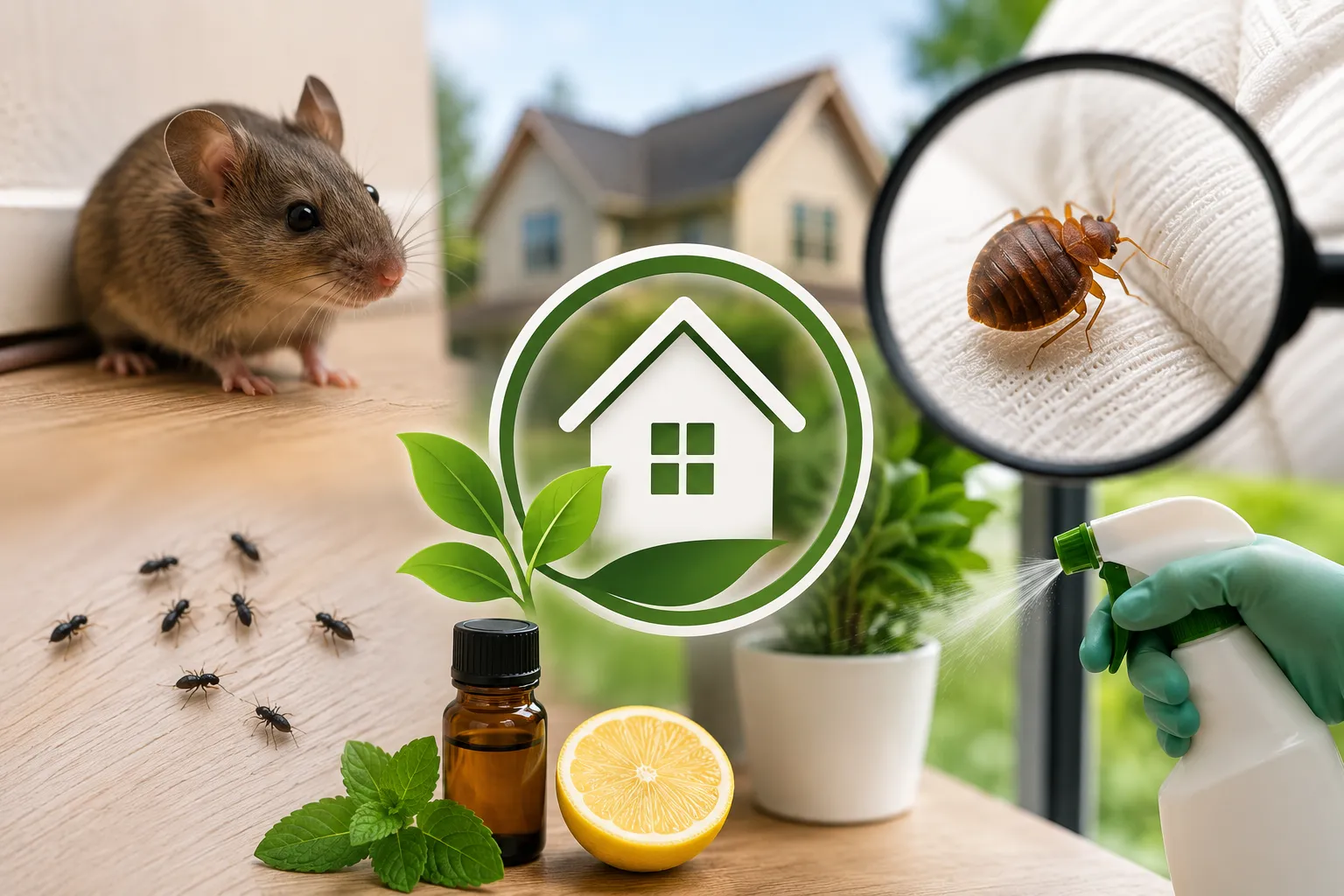

Few things are more frustrating than discovering unwanted pests inside your home. Whether it is a mouse in the kitchen, tiny insects crawling across the bedroom floor, or signs of bed bugs in furniture, these problems can quickly create stress and discomfort. Many homeowners immediately think of harsh chemicals or lethal traps, but there are often more humane and environmentally friendly ways to manage pest problems effectively.
Modern pest control is increasingly focused on prevention, exclusion, and safe removal rather than simply eliminating pests. Humane methods not only reduce suffering for animals but also create healthier living environments for families, pets, and children. By understanding why pests enter homes and how to discourage them naturally, homeowners can solve problems without causing unnecessary harm.
If you are wondering how to catch a mouse without a trap, the answer often begins with making your home less attractive to rodents and encouraging them to leave naturally. Humane pest management focuses on removing food sources, blocking entry points, and using non-lethal deterrents that keep pests away for the long term.
Understanding Why Pests Enter Homes
Most household pests are not trying to invade homes intentionally. They are usually searching for food, water, warmth, or shelter. During seasonal changes, especially during monsoon and winter months in India, homes become attractive safe spaces for insects and rodents. Understanding these motivations is the first step toward solving the problem in a humane and sustainable way.
Prevention Is More Effective Than Elimination
The most successful pest control strategy is preventing infestations before they start. Small cracks around doors, windows, pipes, and vents often serve as entry points for pests. Sealing these openings can significantly reduce the likelihood of rodents, ants, cockroaches, and other unwanted visitors entering the home.
Maintaining cleanliness also plays a major role. Food crumbs, uncovered garbage bins, and standing water can attract a variety of pests. Regular cleaning routines help remove the resources pests need to survive, making your home far less appealing.
Natural Deterrents Can Keep Pests Away
Many natural substances can discourage pests without harming them. Essential oils such as peppermint, citronella, eucalyptus, and lavender are commonly used to repel insects and rodents. These scents are pleasant for humans but can be highly unpleasant for many pests.
Natural deterrents are especially useful in homes with children and pets where chemical exposure may be a concern. While they may not completely eliminate a severe infestation, they can be highly effective as part of a broader prevention strategy.
Humane Rodent Control Methods
Rodents are among the most common household pests. Instead of using lethal traps, homeowners can focus on exclusion and relocation methods. Sealing food containers, removing clutter, and blocking access points often encourages mice to seek shelter elsewhere.
In situations where rodents are already present, humane catch-and-release methods can be considered. However, prevention remains the most effective long-term solution. Creating an environment that offers no easy access to food or nesting areas significantly reduces future rodent activity.
Managing Small Household Insects Naturally
Tiny insects can be difficult to identify and control. Many homeowners become concerned when they notice bedroom little tiny black bugs in house environments, especially around bedding, carpets, or windowsills. These insects may include carpet beetles, fungus gnats, booklice, or other harmless species attracted by moisture and organic debris.
The best approach is identifying the source of attraction. Reducing humidity, vacuuming regularly, washing fabrics, and improving ventilation can often resolve the issue without resorting to aggressive pesticides. Consistent cleaning and monitoring usually provide better long-term results than temporary chemical treatments.
Creating an Unwelcoming Environment for Pests
Pests thrive where conditions support their survival. Moisture, clutter, and easy access to food are among the biggest contributing factors. Fixing leaking pipes, improving drainage, and storing food properly can dramatically reduce pest activity.
Homeowners who focus on environmental management often find they experience fewer recurring infestations. Instead of constantly reacting to pest problems, they create conditions that naturally discourage pests from settling in the first place.
Safe Bed Bug Management Strategies
Bed bugs can be particularly distressing because they are associated with sleeping areas and personal comfort. Fortunately, effective bed bug management does not always require excessive chemical use. High-temperature washing, steam cleaning, mattress encasements, and thorough vacuuming can significantly reduce infestations.
Regular inspections are also important, especially after traveling or purchasing second-hand furniture. Early detection makes treatment easier and prevents larger infestations from developing.
Why Long-Term Solutions Matter
Quick fixes may provide temporary relief, but they rarely address the root causes of pest problems. Humane pest control emphasizes sustainable solutions that reduce future infestations while minimizing environmental impact.
This approach benefits homeowners financially as well. Investing in prevention, maintenance, and proper sanitation often costs less over time than repeated extermination services and recurring treatments.
Conclusion
Humane pest control is about more than simply removing unwanted creatures from your home. It focuses on understanding pest behavior, eliminating attractants, and creating an environment where pests are less likely to thrive. From preventing rodent infestations to managing insects naturally, these methods offer safer and more sustainable alternatives to traditional pest control practices.
By prioritizing prevention, cleanliness, exclusion, and natural deterrents, homeowners can maintain comfortable living spaces while reducing harm to animals and the environment. When concerns arise about bed bugs, many people ask, can bed bugs get in your hair. While bed bugs may occasionally crawl onto a person, they generally prefer hiding in mattresses, furniture, and nearby cracks rather than living in human hair. Understanding facts like these helps homeowners make informed decisions and respond to pest issues calmly and effectively.
































Sign in to leave a comment.