
Losing weight is one of the most common health goals people set for themselves, yet it is also one of the most misunderstood. Many individuals begin their journey expecting rapid results, only to feel discouraged when progress seems slower than anticipated. The truth is that healthy and sustainable weight loss is not about quick fixes or extreme diets. It is about creating long-term habits that support overall health while helping the body gradually shed excess weight.
One of the first questions people ask when starting a weight loss journey is, how long will it take to lose 40 pounds? While the answer varies from person to person, understanding the factors that influence weight loss progress can help set realistic expectations and improve long-term success.
Why Sustainable Weight Loss Matters More Than Speed
In today's fast-paced world, many people are tempted by crash diets, detox plans, and extreme workout programs that promise dramatic results within weeks. While these approaches may produce temporary changes on the scale, they often lead to frustration, muscle loss, nutritional deficiencies, and weight regain.
Sustainable weight loss focuses on improving body composition, preserving muscle mass, maintaining energy levels, and developing healthy habits that can be maintained for years. Rather than chasing short-term results, it encourages a balanced approach that supports overall well-being.
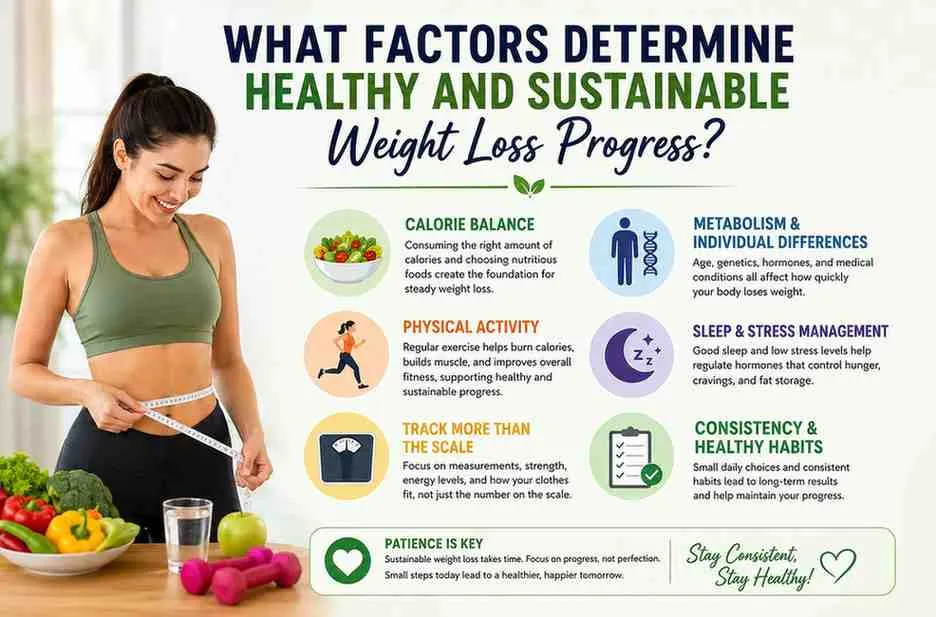
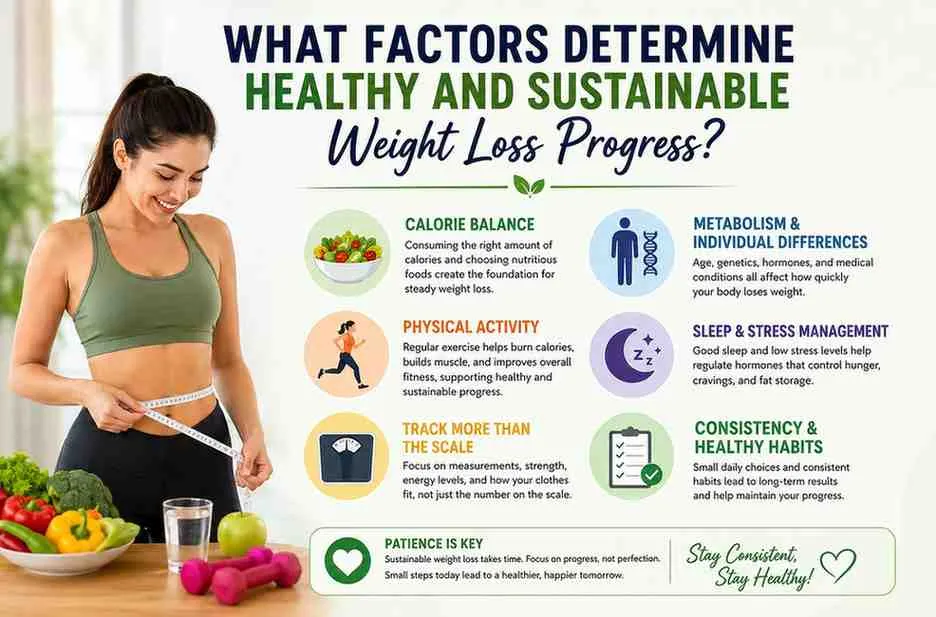
Calorie Balance Plays a Major Role
One of the most important factors determining weight loss progress is calorie balance. Weight loss occurs when the body burns more calories than it consumes over time. However, creating an excessively large calorie deficit can be counterproductive. Severe calorie restriction often slows metabolism and increases hunger, making it difficult to maintain consistency.
A moderate calorie deficit combined with nutritious food choices typically produces healthier and more sustainable results. Foods rich in protein, fiber, vitamins, and minerals help support satiety and overall health while making it easier to stay within calorie goals.
Metabolism and Individual Differences
No two bodies are exactly alike. Age, gender, genetics, hormonal balance, and medical conditions all influence how quickly someone loses weight. Some individuals naturally have a faster metabolism, while others may require more time and effort to achieve similar results.
This is why comparing your progress to someone else's can be misleading. Two people following the same diet and exercise routine may experience very different outcomes. Understanding your body's unique needs is essential for maintaining realistic expectations and staying motivated throughout the process.
Physical Activity Supports Healthy Progress
Exercise is another critical factor in sustainable weight loss. While nutrition often has the greatest impact on calorie balance, physical activity helps increase energy expenditure, preserve muscle mass, and improve cardiovascular health.
A combination of strength training and cardiovascular exercise tends to be particularly effective. Strength training helps build and maintain lean muscle tissue, which supports metabolic health. Meanwhile, activities such as walking, cycling, swimming, or jogging contribute to calorie burning and overall fitness improvements.
Consistency is more important than intensity. Small daily efforts often produce better long-term results than occasional extreme workouts.
Sleep and Stress Can Influence Results
Many people underestimate the role of sleep and stress in weight management. Poor sleep quality can disrupt hormones that regulate hunger and appetite, leading to increased cravings and overeating. Chronic stress can also elevate cortisol levels, which may encourage fat storage and make weight loss more challenging.
Creating a healthy sleep routine and finding effective ways to manage stress can significantly improve weight loss outcomes. Simple practices such as meditation, regular physical activity, spending time outdoors, and maintaining a consistent sleep schedule can make a noticeable difference.
The Importance of Tracking Progress Beyond the Scale
The scale is only one measure of success. Weight fluctuations can occur due to changes in hydration, hormone levels, and digestive processes. As a result, relying solely on scale weight may create unnecessary frustration.
Many people experience positive changes in body measurements, clothing fit, energy levels, strength, and overall health before seeing dramatic changes on the scale. Tracking multiple indicators provides a more complete picture of progress and helps maintain motivation during slower periods.
Understanding Health Goals Beyond Appearance
Weight loss is often associated with physical appearance, but health improvements should remain the primary focus. Better cardiovascular health, improved blood sugar control, reduced joint pain, and increased energy are valuable outcomes that contribute to long-term quality of life.
Interestingly, just as people often wonder whether does whitening toothpaste work when looking for cosmetic improvements, many approach weight loss solely from an appearance perspective. While aesthetics can be a motivating factor, lasting success is usually driven by deeper health-related goals that extend beyond looks alone.
Building Habits That Last
The most successful weight loss journeys are built on habits rather than temporary restrictions. Choosing balanced meals, staying physically active, drinking adequate water, managing stress, and maintaining consistent routines create a foundation for lasting success.
Habits take time to develop, but they are far more effective than relying on motivation alone. Motivation naturally fluctuates, whereas strong habits help maintain progress even during challenging periods.
Patience Creates Better Long-Term Results
One of the biggest obstacles in weight loss is impatience. Social media transformations and unrealistic marketing claims often create expectations that do not align with healthy physiological processes. Sustainable weight loss typically occurs gradually, allowing the body time to adapt and reducing the likelihood of weight regain.
Patience also becomes especially important for individuals who have experienced significant weight loss and may later explore options such as skin removal surgery cost considerations to address excess skin. This highlights how weight management is often a long-term journey involving multiple stages rather than a quick destination.
Conclusion
Healthy and sustainable weight loss is influenced by a combination of factors, including calorie balance, metabolism, physical activity, sleep quality, stress management, and long-term lifestyle habits. While it can be tempting to focus solely on rapid results, lasting success comes from consistency, patience, and realistic expectations. By understanding the factors that affect progress and adopting healthy habits that fit your lifestyle, you can achieve meaningful results that support both your physical health and overall well-being for years to come.































Sign in to leave a comment.