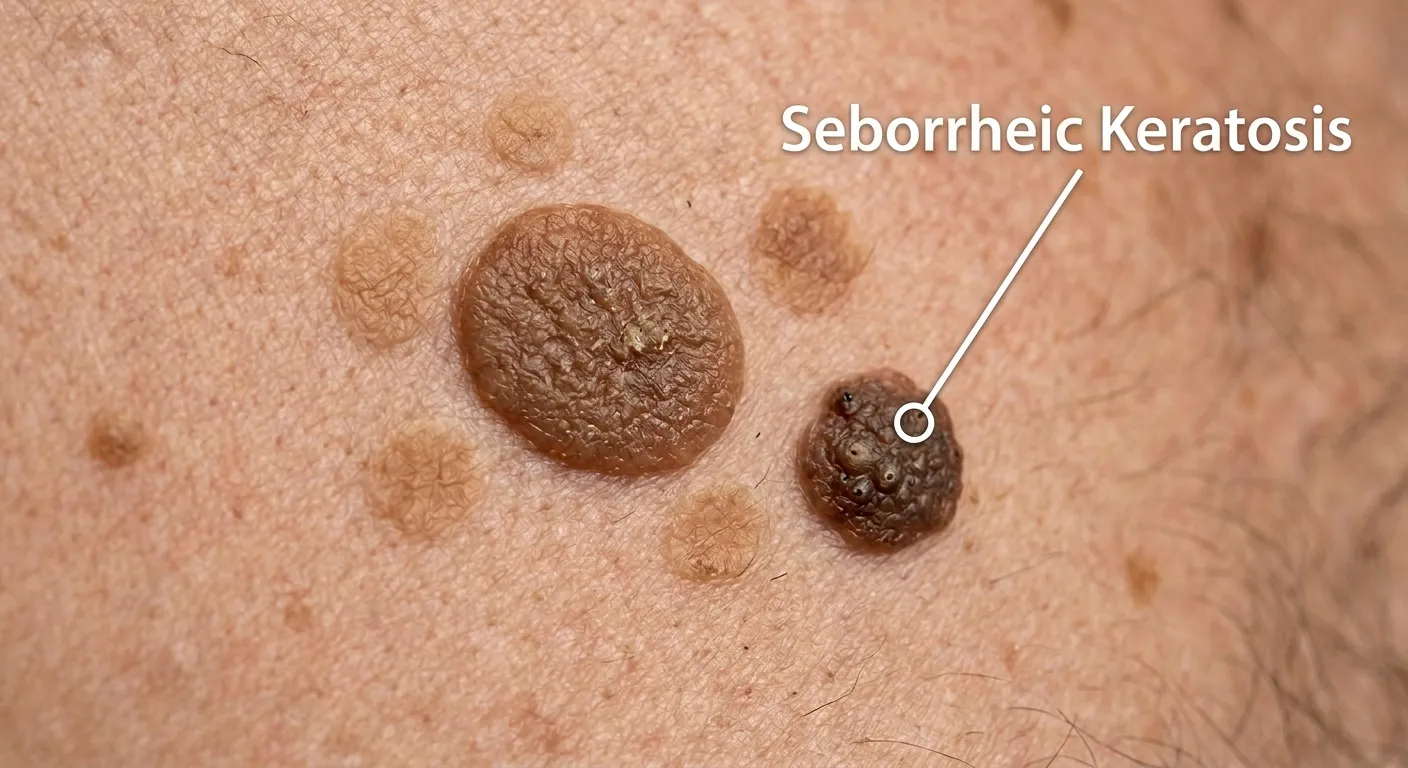

As our skin ages, it undergoes numerous changes, including the appearance of various spots, bumps, and growths. One of the most common, non-cancerous skin conditions that develops in middle-aged and older adults is seborrheic keratosis. While these growths are entirely harmless, their sudden appearance, texture, and dark color often cause alarm, as they can easily be mistaken for more serious skin conditions like melanoma.
Understanding how to identify these growths, recognizing their symptoms, and knowing the available removal options is essential for maintaining peace of mind and healthy skin. In this comprehensive, expert-backed guide, we will break down the science behind seborrheic keratoses, outline their core symptoms, and review the latest clinical treatments available in 2026.
What is Seborrheic Keratosis?
Seborrheic keratosis (seborrheic keratoses) is a very common, benign (non-cancerous) skin tumor that originates from the outermost layer of the skin, known as keratinocytes. These growths are not contagious, are not caused by viral infections, and do not have the capacity to transform into skin cancer.
They often feature a characteristic "stuck-on" appearance, looking almost like a drop of dirty candle wax or a small barnacle attached to the skin surface. While they can develop individually, it is far more common for individuals to develop multiple lesions over time as they grow older.
Symptoms and Visual Appearance: How to Identify?
A seborrheic keratosis lesion can vary greatly in size, shape, and color. However, they share several distinct visual markers that help dermatologists differentiate them from malignant skin lesions:
- Distinct Texture: They typically start as small, smooth bumps but gradually develop a rough, warty, or velvety texture.
- "Stuck-On" Appearance: The growth looks like it is sitting directly on top of the skin, rather than growing out from deep within the dermal layers.
- Color Variations: They can range in color from pale tan and light brown to deep chocolate brown or solid black.
- Location: They can appear anywhere on the body, except for the palms of the hands and the soles of the feet. They are most frequently found on the chest, back, stomach, scalp, face, and neck.
- Lack of Pain: These growths are fundamentally painless. However, depending on their location, they can become irritated, itchy, or catch on clothing and jewelry, which may cause them to bleed or inflame.
Why Do They Form? Causes and Risk Factors
The exact primary cause of seborrheic keratoses remains unknown, but clinical research points to several clear driving factors:
1. Aging and Cellular Longevity
These spots are widely considered a natural byproduct of cellular aging. They rarely appear before the age of 40, and their prevalence increases dramatically with each decade of life.
2. Genetic Predispositions
Genetics play a major role in how many lesions an individual develops. If your parents or siblings have numerous seborrheic keratoses, you are highly likely to develop them as well.
3. Sun Exposure
While they can form on areas completely hidden from the sun, they are highly prevalent on UV-exposed skin, such as the face, neck, and forearms, suggesting that ultraviolet radiation can accelerate their development.
The Danger of Misdiagnosis: When to See a Doctor?
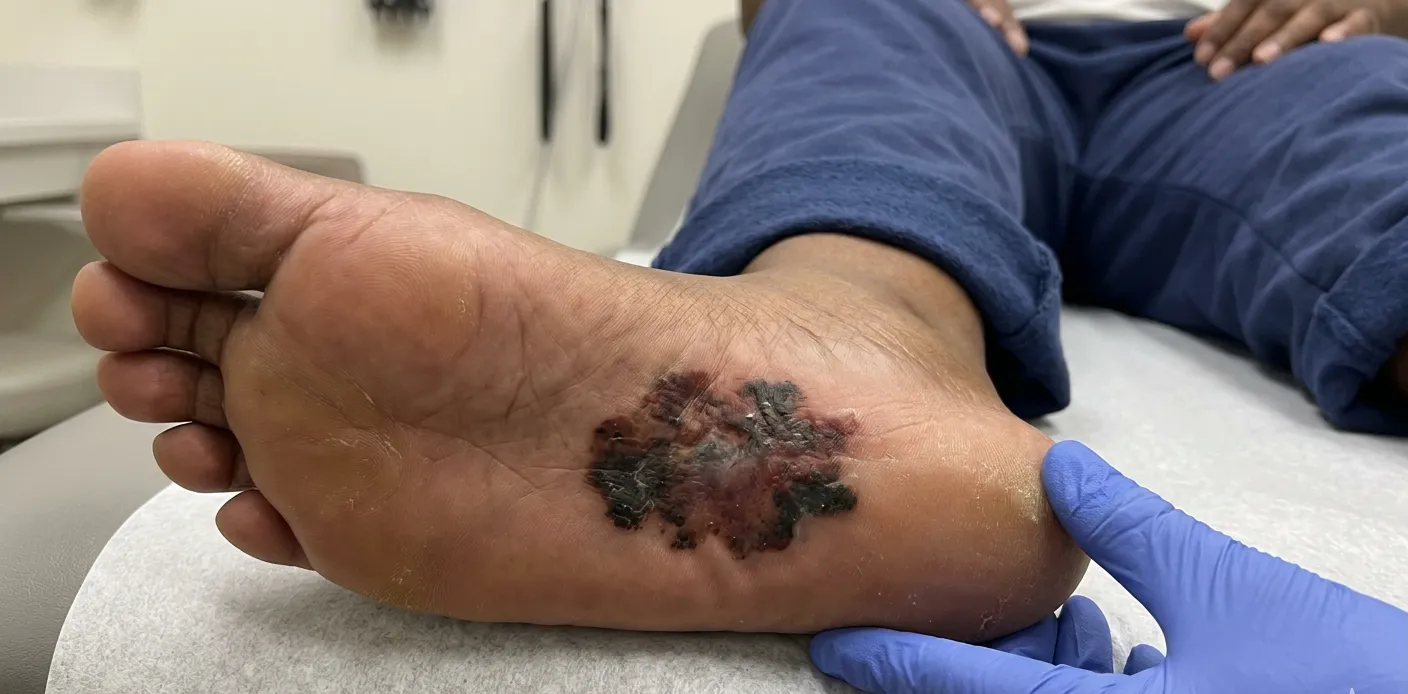
Because seborrheic keratosis can appear dark brown, black, and irregular, it is frequently mistaken for melanoma (a life-threatening form of skin cancer) or basal cell carcinoma.
You should always seek an expert clinical evaluation or a professional skin check if you notice any of the following changes:
- The growth rapidly increases in size or changes color over a short period.
- The borders of the lesion become jagged, irregular, or poorly defined.
- The spot bleeds spontaneously, oozes fluid, or fails to heal.
- A single growth looks completely different from all the other spots on your body (known as the "ugly duckling" sign).
- You develop dozens of new lesions simultaneously over a very short timeframe—a rare medical phenomenon known as the Leser-Trélat sign, which requires immediate evaluation by a physician.
Advanced Treatment Options for Removing Lesions
Because these spots are completely benign, medical removal is not strictly necessary. However, many individuals choose to treat or remove them if they become physically irritated, constantly catch on clothing, or present a cosmetic concern.
Modern dermatology offers several highly effective, minimally invasive removal techniques:
Cryotherapy (Freezing)
This is the most common clinical method. The dermatologist applies liquid nitrogen to the growth using a spray gun or a cotton swab. The extreme cold freezes the tissue, causing the growth to scab over and naturally fall off within a few weeks. It is quick and highly effective for thin lesions.
Electrosurgery and Curettage
For thicker or highly raised bumps, doctors may use a method called electrosurgery. After numbing the area with a local anesthetic, an electric current is applied to burn the tissue. The doctor then uses a spoon-shaped surgical instrument called a curette to scrape the growth away.
Laser Therapy
Ablative laser treatments (such as a CO2 laser) emit focused beams of light energy to precisely vaporize the lesion. This technique gives the practitioner extreme control, reducing damage to the surrounding skin and minimizing post-treatment marking.
Shave Excision
If the doctor wants to send the tissue to a pathology lab to double-check the diagnosis under a microscope, they will perform a shave excision. The area is numbed, and a small scalpel blade is used to slice the growth flat with the surrounding skin.
Frequently Asked Questions
Can seborrheic keratosis turn into skin cancer?
No, seborrheic keratosis is completely benign and will never transform into skin cancer, regardless of how long it remains on your body. However, skin cancers can occasionally develop directly adjacent to or even underneath a keratosis, which is why professional monitoring is still vital.
Can I scratch or cut off a seborrheic keratosis at home?
You should never attempt to scratch, pick, or cut off any skin growth at home. Doing so introduces a significant risk of severe bacterial infection, excessive bleeding, and permanent scarring. Furthermore, without a professional evaluation, you risk mistreating a malignant lesion.
Will a removed growth grow back?
Once a seborrheic keratosis is completely removed from its base, it rarely returns in that exact spot. However, because your body is prone to producing them, new lesions will likely continue to develop in other areas of your skin as you age.
Are these growths caused by poor hygiene or diet?
No. Seborrheic keratoses have absolutely no connection to dietary habits, poor hygiene, skin cleanliness, or lifestyle choices. Their development is strictly governed by genetics, the natural cellular aging process, and localized UV exposure.
Conclusion
Seborrheic keratosis is an incredibly common part of the natural aging journey. While these wax-like, textured growths can look unsettling when they first appear, knowing that they are entirely benign can provide significant relief. If your spots are physically comfortable and a doctor has verified their safety, you can confidently leave them alone. If they bother you cosmetically or cause physical irritation, a quick, routine visit to a modern clinic can clear them away safely and cleanly.





























Sign in to leave a comment.